
The Twin-Turbo V6 That Replaced The 5.0L V8 As Ford’s Default Tuner Truck
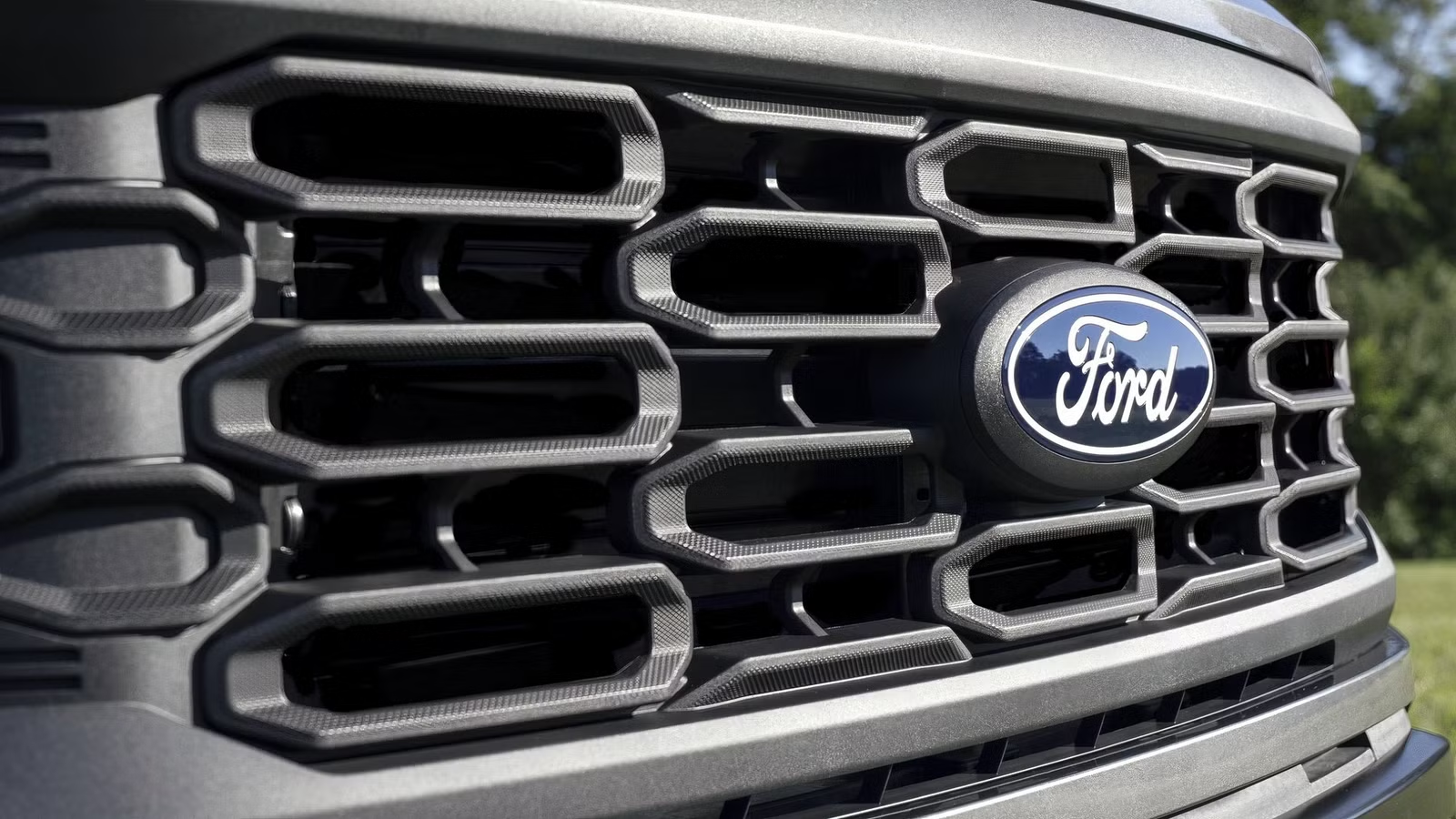
This could feel controversial because ditching a V8 for a twin-turbocharged V6 might seem crazy. But put your pitchforks down and hear me out, because the plain-looking Ford F-150 performance XLT model parked in your contractor’s driveway could be hiding hot rod power. This V6 engine is a smart, affordable way to add extra muscle to your Ford F-150. It serves as the modern LS swap option for pickup trucks while setting reliability concerns aside.
The Ford 5.0-Liter Coyote V8 Has Its Limits

The 5.0-liter Coyote V8 has served as the traditional workhorse engine of choice for years. This Ford engine is naturally aspirated, leading to reliability advantages thanks to lower operating stress and fewer components that can fail. It produces a stout 400 horsepower and 410 lb-ft of torque in the Ford F-150, but adding more muscle is expensive and complicated.
There are stock internal limits and boost thresholds to abide by. It features powdered metal rods and cast pistons that have a weak point around 650 hp. To reliably get past that limit, you’ll need to tear the motor down to install forged rods and pistons, adding massive costs to the project.

High-RPM tunes and aggressive camshafts place extra stress on the phasers, chains, and guides, causing premature problems if the maintenance and calibration aren’t precise. Plus, the computer-controlled CAM phaser behavior is easily disrupted by aggressive or unsuitable ECU tuning.

You’ll need an upgraded radiator and oil cooler to mitigate thermal degradation, and adding boost will increase cylinder pressures, which can increase oil consumption. Last but not least, the Coyote engine has wide DOHC cylinder heads. The engine’s physical size leads to cramped engine bays.
The 3.5-Liter newer EcoBoost engines Is The Modern LS Swap Choice

The Ford 3.5-liter EcoBoost V6 actually outperforms the Coyote V8 with 400 hp and 500 lb-ft of torque. It can tow up to 13,500 poundss and carry a payload of up to 2,400 pounds, while the 5.0-liter V8 can tow up to 13,000 pounds and carry a payload capacity of 2,235 pounds. That low-end torque advantage helps build peak torque at low RPMs for immediate acceleration.
Not only does the EcoBoost provide effortless towing, but it’s also more fuel efficient. The improved fuel economy is a pretty large advantage for light-duty commuting, highway cruising, and while pulling heavy loads up inclines. The Coyote requires higher RPMs and more downshifting, which burns more fuel. Plus, the EcoBoost has advantages for heavy towing and for operating at higher altitudes and on steep terrain because the turbos don’t lose breath.

It’s also a bit easier to tune as a more budget-friendly alternative compared to the Coyote V8 engine because it’s already twin-turbocharged from the factory. Ford has OEM-backed calibrations that demonstrate the engine’s potential. The High Output EcoBoost variant of the Raptor delivers 466 hp and 554 lb-ft of torque at 3,250 RPM.
Tuning the EcoBoost doesn’t require additional physical upgrades like a supercharger. While the Coyote can handle forced-induction builds, installing a supercharger kit comes at a much higher cost. Also, a basic tune on the Coyote provides modest power gains compared to the EcoBoost, which has massive horsepower-per-dollar advantages.
Tuning the 3.5-liter Ford EcoBoost Is Simple

With stock long blocks, 450 to 500 hp is a realistic target. The EcoBoost can confidently handle 500 hp before hitting its mechanical limits. Plus, you can unlock massive amounts of power with a simple ECU tune. A box tuner adds 40 to 60 hp with conservative, pre-programmed performance maps.
Advanced tuning with E85 fuel can add over 100 hp on stock turbochargers with increased boost and advanced timing. But even a basic off-the-shelf tune on standard 87-octane fuel can provide impressive gains. With custom feature control, you have the power to permanently disable auto start-stop too.

You can gain high outputs from basic bolt-on modifications like a cold air intake, downpipes, or an upgraded intercooler too. This way, you save time and money without having to crack the engine open. The EcoBoost doesn’t come with time-consuming labor costs, offering instant, noticeable gains from simple software remapping.
Custom tunes lead to a sharper throttle response to eliminate factory lag by remapping the electric throttle sensitivity for noticeably faster acceleration. Plus, you can remap the six- or ten-speed automatic shift schedules for firmer shift control and manage active grille shutters to improve cooling. The entire process offers more customization to fit your towing and F-150 performance needs.
The Ford EcoBoost V6 Is More Reliable Than You Think

Yes, I know that twin-turbo engines are often seen as less reliable due to having more components, heat, and stress. But Ford has been hard at work to address these reliability concerns. For example, there used to be an issue related to carbon buildup on the intake valves, as first-generation engines relied on gasoline direct injection that sprayed fuel directly into the combustion chambers.
This means that no washing occurred. But the second-generation and newer EcoBoost engines have port fuel injectors, unlike the direct injectors, to wash oil and carbon deposits away before they can harden. Also, the first-generation engines can be cleaned by walnut blasting or manually scraping the intake valves and ports by hand.

The timing system was upgraded to dual primary timing chains to better manage operational stress and enhance longevity. Plus, the engine got an upgraded metal timing chain guide to improve durability under heavy loads. The first-generation engine replaced a single long chain with heavier-duty components and released strict oil maintenance guidelines.
Intercooler condensation with the first-generation engine has been mitigated by repositioning the air deflections and drilling condensation drain holes. Then a redesigned PCV adapter was released to stop exhaust smoke. Also, the second-generation engine benefits from redesigned variable camshaft timing (VCT) phasers with extended warranty coverage.
Source: High Performance Academy, Car Tips Daily, Ford

Related posts




Latest Post


No Comments