There are plenty of ways to judge whether a car is good. Reliability ratings, resale values, owner reviews, and long-term maintenance costs can all tell prospective buyers something about what to expect. But there is another useful measure that is much harder for a marketing department to manipulate: how long owners actually decide to keep their cars.
According to iSeeCars, the average new vehicle owner holds onto a car for 8.4 years. Some models, however, are kept considerably longer. In fact, Toyota has a particularly strong showing among the vehicles that owners are the least eager to replace. The brand’s reputation for durability appears to give its cars staying power that extends well beyond the average ownership period. And one Toyota stands above the rest. This SUV wasn’t merely the longest-kept Toyota in the study. It was the vehicle that owners kept for the longest period overall.
Some Cars Simply Give Owners Fewer Reasons To Move On
Longevity Can Matter More Than Having The Newest Features
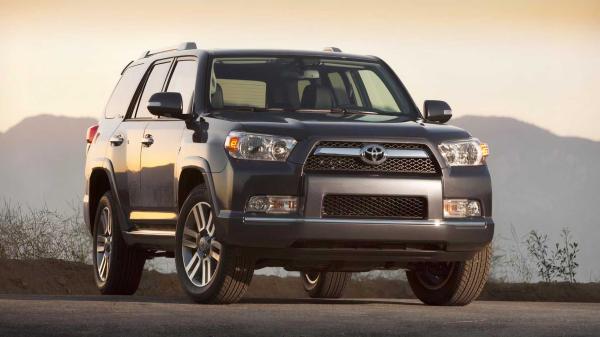
Front 3/4 shot of 2012 Toyota 4RunnerToyota
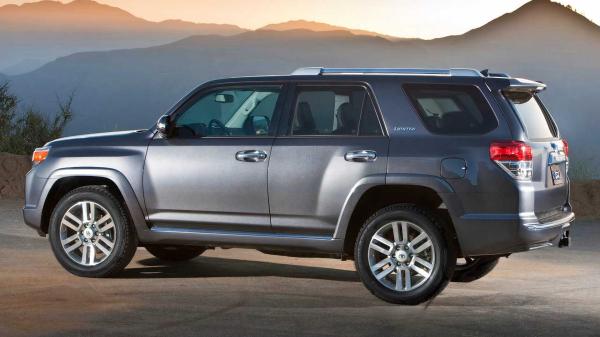
Rear 3/4 shot of 2012 Toyota 4RunnerToyota
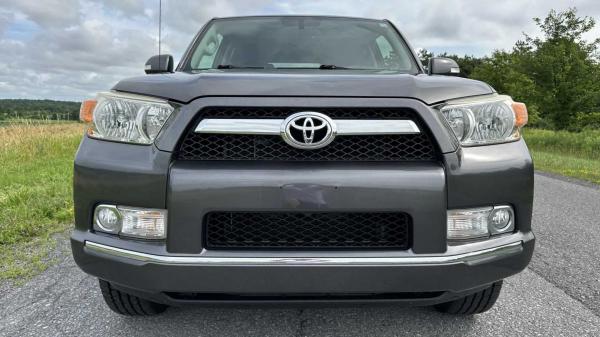
2012 Toyota 4Runner front head onBring a Trailer
Buying a new car usually means getting more than just a newer version of the same transportation. Modern vehicles bring bigger infotainment screens, more advanced driver-assistance systems, improved safety technology, and increasingly sophisticated powertrains.
For some owners, that constant progression is enough reason to trade in every few years. For others, it can have the opposite effect. If an older vehicle continues to perform its basic duties reliably, the newest technology isn’t necessarily worth the expense of replacing it.
That helps explain why ownership duration can be such an interesting measure of a vehicle’s appeal. Keeping a car for a decade doesn’t necessarily mean the owner doesn’t like new cars. It can mean the existing car has given them very little reason to go shopping for one.
iSeeCars found that the average new vehicle is kept for 8.4 years, while the 10 vehicles at the top of its longest-kept list averaged between 9.7 and 11.4 years.
Toyota Has Built A Reputation Around Keeping Cars On The Road
2012 Toyota 4Runner Front 3/4Toyota
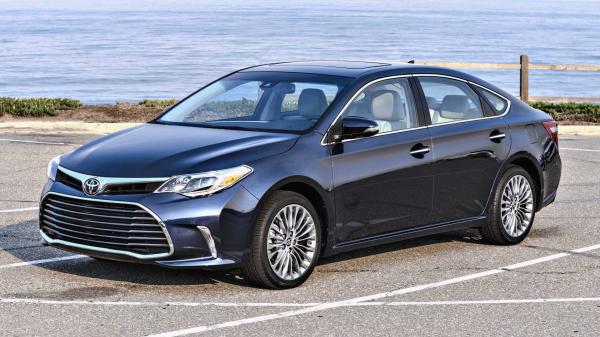
A front 3/4 shot of a 2016 Toyota AvalonToyota
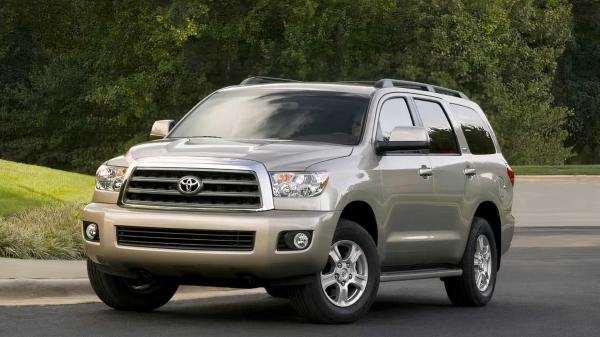
Front 3/4 action shot of 2017 Toyota Sequoia driving on roadToyota
Toyota’s presence in that list is difficult to overlook. Several of the brand’s models made the top 10, with the 4Runner ranking seventh at 10 years, the Sequoia placing ninth at 9.9 years and the Avalon rounding out the list at 9.7 years. But one Toyota managed to outlast them all, taking the top spot with an ownership average of 11.4 years. That pattern extends beyond a handful of exceptional models. Among popular vehicles, Toyota had five representatives that owners kept longer than the overall 8.4-year average. The Camry averaged 9.5 years, the Highlander 9.1 years and the Corolla and Tacoma each reached nine years, while the RAV4 averaged 8.6 years.
iSeeCars attributed some of that staying power to Toyota’s reputation for reliability and longevity, suggesting owners may be more inclined to keep their vehicles on the road when they continue running well without requiring expensive repairs. But one Toyota was considerably more successful at keeping its owners behind the wheel than the rest.
The Toyota Land Cruiser Is The One Owners Keep Longest
Land Cruiser Owners Hold Onto Their SUVs For 11.4 Years
The Toyota Land Cruiser averaged 11.4 years of ownership, making it the longest-kept new vehicle in the iSeeCars study. That puts it a full three years ahead of the overall 8.4-year average. It wasn’t a narrow victory, either. The Chevrolet Corvette came second at 10.5 years, followed by the Mercedes-Benz SL-Class at 10.3 years and the Audi TT at 10.2 years. The Ford Expedition and Toyota 4Runner followed at 10.1 and 10 years, respectively.
The Land Cruiser was also comfortably the longest-kept SUV. Its 11.4-year average compared with 10.1 years for the Ford Expedition and 10 years for the Toyota 4Runner. The Sequoia followed at 9.9 years. The average SUV, meanwhile, was kept for 8.3 years. There is another intriguing detail in the study. The Land Cruiser was the longest-kept vehicle in 17 of the 20 largest U.S. metropolitan areas analyzed, with average ownership stretching as high as 13 years in Seattle.
Its Reputation Was Built Long Before The Current Land Cruiser
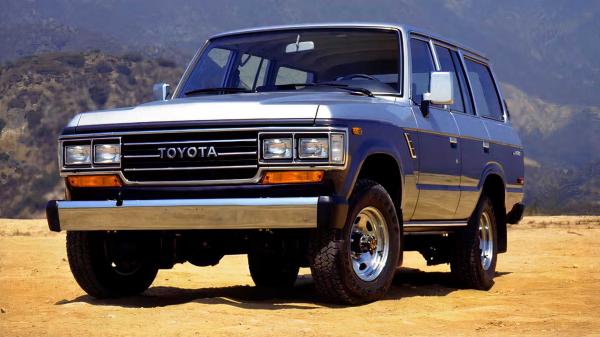
Front 3/4 shot of Toyota Land Cruiser 60-Series parked off-roadToyota
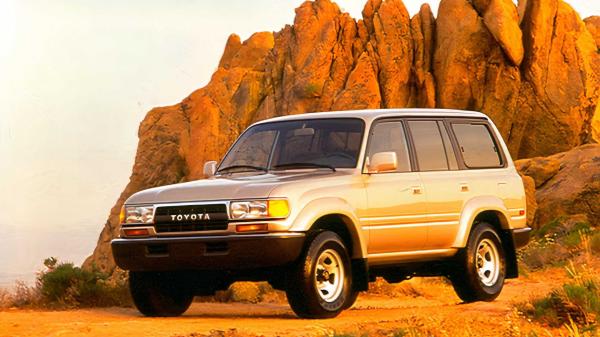
80-Series Toyota Land Cruiser PosedToyota
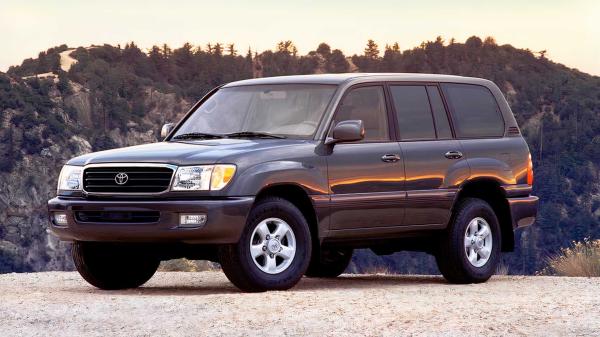
100-Series Toyota Land Cruiser Front 3/4 PoseToyota
Part of the Land Cruiser’s appeal comes from the fact that its reputation wasn’t built overnight. The generation examined by the original study was the 200 Series, which dated back to 2008 and received only a mild refresh in 2016. That relatively conservative approach meant an older Land Cruiser didn’t necessarily scream “old car” when parked beside something newer. That matters because owners aren’t simply deciding whether their vehicle still works. They’re also deciding whether replacing it will provide enough of an improvement to justify the cost.
A Land Cruiser that remains mechanically capable, comfortable and visually relevant can make that calculation surprisingly easy. Why spend heavily on another SUV if the one sitting in the driveway is still doing everything required of it? Its off-road capability also gives the Land Cruiser a particularly strong identity. It isn’t simply a large family SUV that happens to be reliable. It has a reputation for being built to operate in environments where durability is considerably more important than having the latest gadget.
The Numbers Suggest Toyota’s Longevity Reputation Isn’t Just Hype
Toyota SUVs Also Dominate The Longest-Lasting Rankings
The ownership data is now several years old, but newer iSeeCars research provides an interesting second piece of evidence. Its 2025 Longest-Lasting Cars study looked at something different: the predicted probability of a vehicle reaching 250,000 miles. Once again, Toyota dominated that ranking, taking 10 of the top 25 positions. The Sequoia ranked first with a 39.1% predicted chance of reaching the quarter-million-mile mark, while the 4Runner ranked second at 32.9%. The Highlander Hybrid, Tundra and Tacoma also made the top six, while several other Toyota and Lexus models appeared further down the list. The industry average was just 4.8%.
That study doesn’t prove that Land Cruiser owners keep their vehicles for 11.4 years. The two studies measure different things. But taken together, they paint a fairly compelling picture of Toyota’s long-term appeal: owners tend to keep the vehicles for a long time, and Toyota has several models with an unusually strong probability of surviving very high mileage.
Keeping A Car Longer Doesn’t Mean It Never Needs Maintenance
2021 Toyota Land Cruiser URJ200, front 3/4Cars And Bids
Of course, there is a difference between a vehicle being reliable and a vehicle being maintenance-free. Even the most durable SUV will eventually need brakes, tires, fluids, suspension components, and other consumables replaced. Older vehicles can also develop problems simply because components age. The advantage of a durable vehicle is that those expenses don’t necessarily become a reason to abandon it.
If a vehicle has already depreciated heavily, remains useful and continues to run well, spending money on maintenance can make more sense than taking on a new-car payment. That calculation becomes even more attractive when the vehicle has a reputation for continuing to provide useful service well beyond the point where many rivals would have been replaced.
Why The Land Cruiser Is So Hard To Replace
It Offers Capability That Newer SUVs Often Can’t Replicate
The Land Cruiser’s longevity isn’t just about a reputation for not breaking down. Its usefulness is a major part of the equation. It combines substantial passenger and cargo capacity with genuine off-road ability and the sort of rugged engineering that has made the name synonymous with durability. For an owner who actually needs those qualities, replacing it with a newer crossover simply because the crossover has a larger screen or newer driver-assistance technology may not feel like an upgrade. That’s particularly important because the Land Cruiser occupies an unusual position in the SUV market. It can be a family vehicle, a long-distance tourer and a serious off-roader without needing to reinvent itself every few years.
The Best Reason To Keep A Land Cruiser May Be That It Still Works
Ultimately, the most convincing explanation for the Land Cruiser’s 11.4-year ownership average may also be the simplest. It gives owners very few reasons to replace it. The iSeeCars study found that the Land Cruiser was kept longer than every other new vehicle in its analysis, while Toyota as a brand averaged nine years of ownership, the longest of any manufacturer in the study.
Newer research reinforces the broader durability story, with Toyota occupying the top two positions in iSeeCars’ 2025 250,000-mile longevity ranking. None of that means every Toyota will run forever or that every Land Cruiser is immune to expensive repairs. But it does suggest there is something meaningful behind Toyota’s reputation. When owners keep a vehicle for more than 11 years on average, the strongest endorsement may be that they don’t see a good enough reason to let it go.
There is no shortage of ways to measure a vehicle’s durability, but perhaps one of the most telling is how reluctant its owners are to replace it. By that measure, the Land Cruiser has made a particularly strong case for itself. The newest SUV might have more technology, but the Land Cruiser has something arguably harder to replace: a reason to keep it.
Base Trim Engine
2.4L I-FORCE MAX I4 Hybrid
Base Trim Transmission
8-speed automatic
Base Trim Drivetrain
Four-Wheel Drive
Base Trim Fuel Economy (city/highway/combined)
22/25/23 MPG
Base Trim Battery Type
Nickel metal hydride (NiMH)
Make
Toyota
Model
Land Cruiser
Segment
Full-Size SUV
Sources: Toyota, iSeeCars, Toyota Land Cruiser costs, CarBuzz












No Comments