
The Sleeper Naked Bike With Japanese Reliability And European Performance
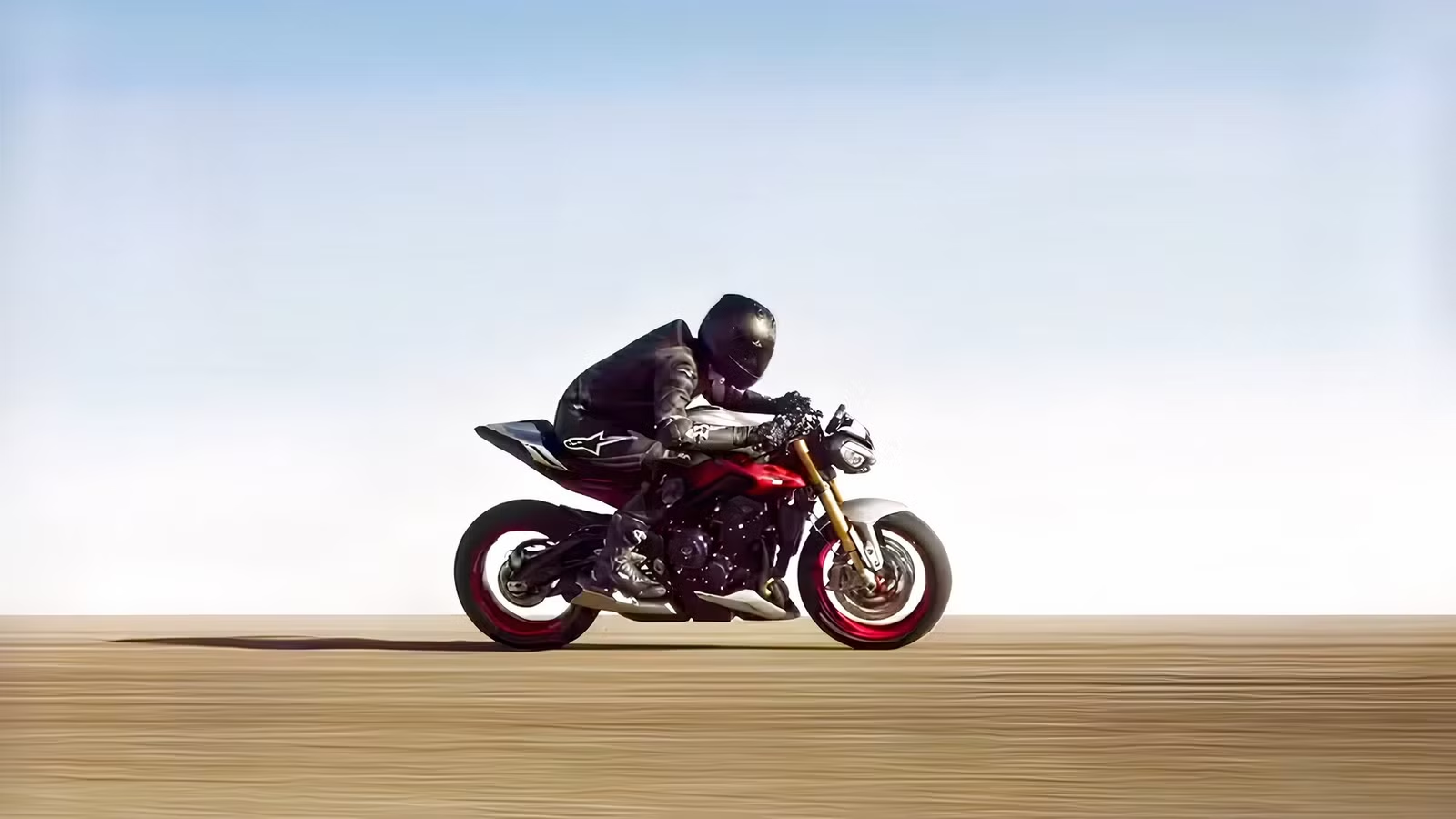
European streetfighters are known for sharp chassis feedback, while Japanese naked bikes are known for trouble-free daily ownership. Most riders assume they have to pick one camp and live with the downsides of the other. Yet one unassuming middleweight quietly delivers both without advertising either trait on its spec sheet. It pairs high-end suspension and braking hardware with a proven engine architecture that survives hard mileage without drama. For buyers tired of choosing between weekend pace and Monday morning dependability, this sleeper solves the problem.
Why The Midweight Naked Segment Brings A Compromise Between Boring Reliability And Fragile Thrills
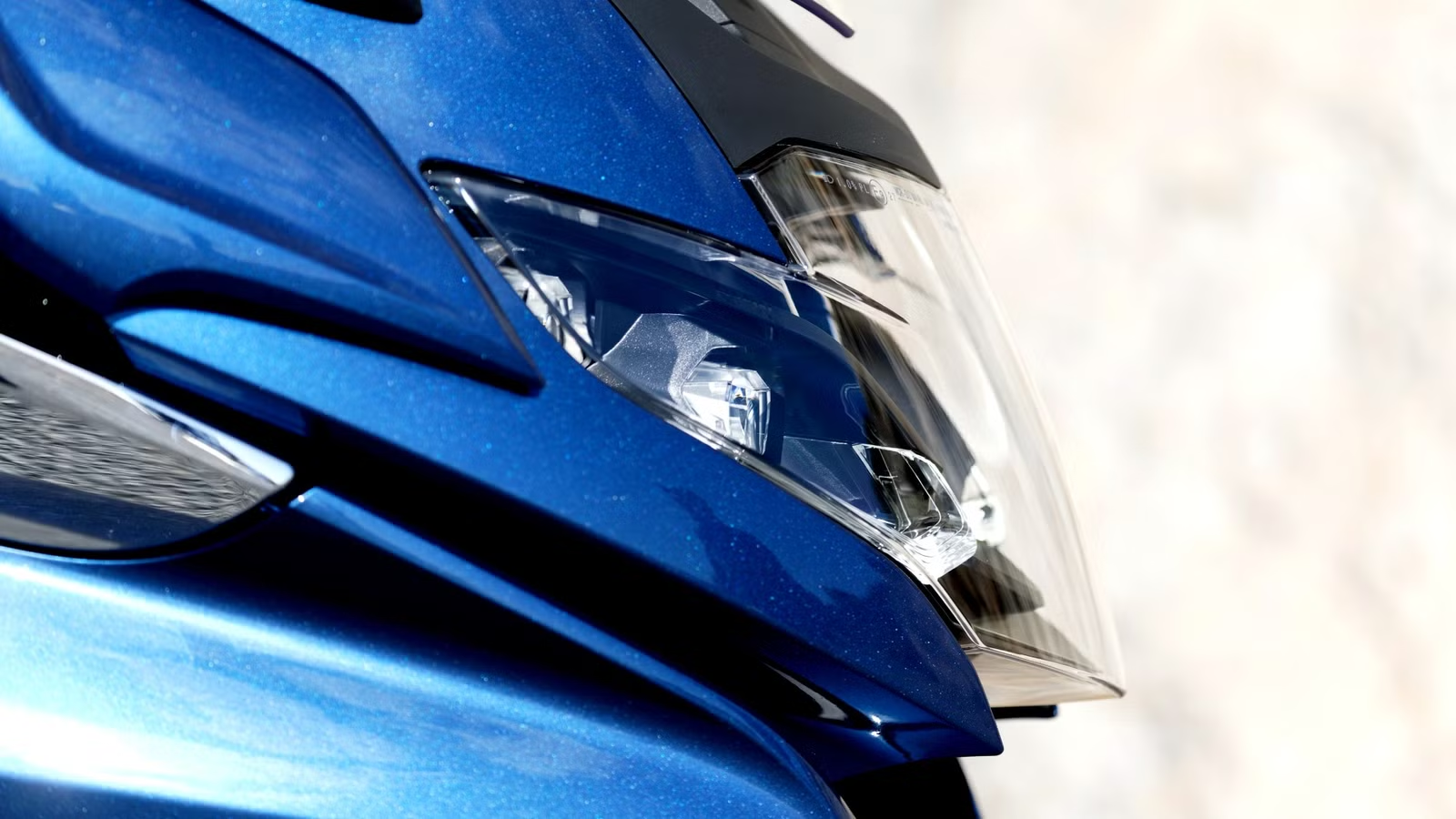
The divide between continents defines how riders shop in the middleweight naked segment. You buy a middleweight naked Japanese motorcycle like the Honda CB750 Hornet for reliability and ease of use rather than outright edginess. Its parallel-twin engine, basic suspension, and neutral ergonomics make daily commuting effortless. Conversely, when you look at a European middleweight like the KTM 990 Duke R, you are buying sharp handling and aggressive power delivery rather than long-term longevity. Nobody picks a high-strung European streetfighter expecting low maintenance bills or soft commuter manners. That split forces buyers to decide whether they value trouble-free ownership or genuine dynamic capability.
Triumph Brings A Best Of Both Worlds Solution

Enter Triumph. This is one of the first brands that comes to mind when you think of sporty nakeds, thanks to the iconic Speed Triple. When the company took that same formula and scaled it down, it achieved the same dynamic success by pairing an aluminum twin-spar frame with a responsive inline-three engine. Over nearly two decades of development (including supplying race engines for the Moto2 championship), Triumph steadily refined its manufacturing tolerances and internal components. Today, that middleweight architecture challenges Japanese rivals for long-term durability while retaining the sharp handling of a European streetfighter.
The Triumph Street Triple 765 RX Blends Track-Ready Precision With Daily Dependability

The Triumph Street Triple 765 RX stands out as the ultimate sleeper in the middleweight naked class, and it quietly has become the enthusiast’s choice. Rather than relying on aggressive wings or oversized displacement, it builds on a proven platform with clip-on handlebars that place the rider’s weight over the front wheel for precise steering feedback. Its 765 cc triple produces strong, linear power backed by a full electronics suite and proven mechanical reliability that rivals any Japanese competitor. For riders seeking European chassis performance without the typical ownership headaches, the $14,495 Street Triple 765 RX delivers everything needed.
A 765cc Triple Delivers Near-130-HP With Proven Durability

This is a familiar engine, but over the years it has turned into a bulletproof example of the inline three-cylinder format thanks to Triumph supplying a version of this engine to the Moto2 championship. This is a 765 cc short-stroke engine with a compression ratio of 13.25:1, good for 128.2 horsepower at 12,000 RPM and 59 pound-feet at 9,500 RPM. The difference between the horsepower and torque figures shows how flexible this engine actually is. This engine can be a little expensive to maintain in the long run since the valve clearance check intervals are every 12,000 miles compared to the 15,200-mile interval for the Z900, and it is less than half that of the MT-09’s interval, which is 26,600 miles.
Fully Adjustable Öhlins Suspension And Brembo Stylema Brakes Sweeten The Pot

Under the skin, the Street Triple RX has an aluminum twin-spar frame with a twin-sided swingarm made out of the same material. So the riding dynamics should make you forget about fairings. This is topped with an Öhlins NIX30 fork with 4.5 inches of travel and an Öhlins STX40 piggyback reservoir rear shock with 5.2 inches of travel. Both ends are fully adjustable.
For brakes, twin 310 mm floating discs at the front are paired with Brembo Stylema radial four-piston monobloc calipers with a Brembo MCS radial master cylinder. At the rear, there is a 220 mm disc with a Brembo single-piston caliper. The brakes are mounted on cast-aluminum alloy 17-inch rims fitted with tubeless radial tires. All of these elements make this a compact bike with a wheelbase of 55 inches, a seat height of 33 inches, and a curb weight of 414.5 pounds wet.
Six-Axis Cornering Aids Sharpen Track Focus

The Street Triple 765 RX sits near the top of Triumph’s Street range, and therefore it gets all the features worthy of a premium middleweight naked bike. It starts with a five-inch TFT display that lets you toggle through the six-axis IMU-aided electronics. Riding modes, wheelie control, traction control, cornering ABS—these are all standard. One of the modes is customizable and lets you turn everything off, too. Strangely, Bluetooth and navigation are optional extras.
Elsewhere, the RX also distinguishes itself with a separate color scheme, a CNC-machined top yoke with a laser-etched logo on it, an embossed logo on the seat, and a pillion seat cowl. The most visible change, however, is the low clip-on handlebars that make life much better at a racetrack.
How The Street Triple 765 RX Outsmarts The KTM 990 Duke R And Yamaha MT-09 SP

The Street Triple 765 RX has competition in principle – the KTM 990 Duke R and Ducati Streetfighter V2 offer excitement in spades, but you trade reliability for it. At the other end of the spectrum, the Kawasaki Z900 SE is dead reliable, but you would be hard-pressed to call it ‘exciting’. That leaves us with the $12,699 Yamaha MT-09 SP that feels sporty without feeling demanding. It doesn’t have the clip-on handlebars of the Triumph, but that will arrive soon enough with the XSR900 GP. Meanwhile, the MT-09 SP offers better suspension that is electronically controlled, a six-axis IMU, a torque-rich yet powerful engine, and the ability to be just as much fun on a street or a racetrack as the Triumph without offering a similarly aggressive riding position.
Source: Triumph Motorcycles USA

Related posts



Latest Post


No Comments