
The Shelby Charger You Could Buy Two Ways. One Hid An Intercooler
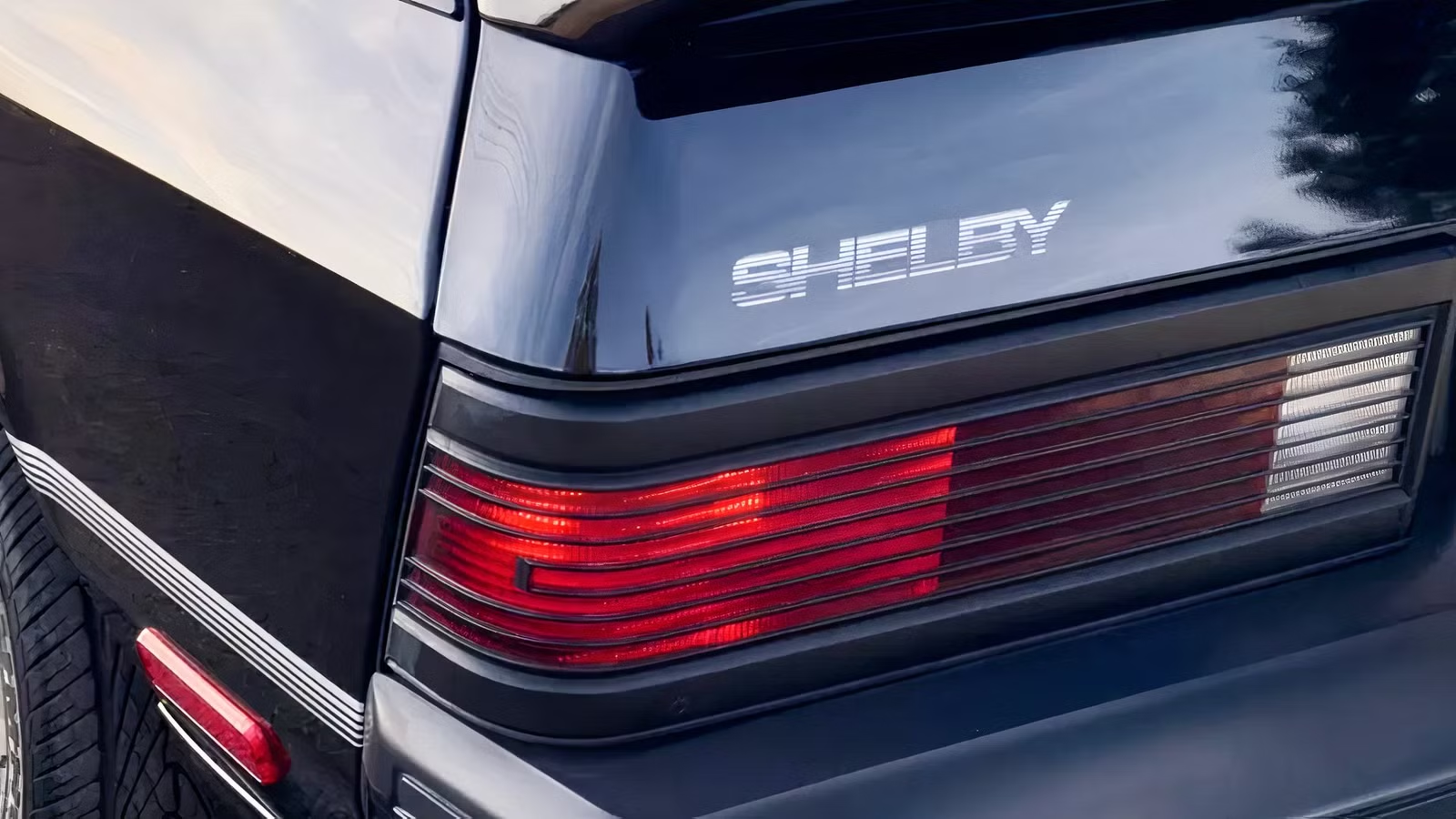
Park two 1987 Shelby Chargers side by side. One left with 29 more horsepower, yet both are genuine Shelbys with nearly identical bodywork. Which is which? A seller’s photos may not make that clear, and paying for the stronger car when you’re getting the other could become an expensive mistake.

Carroll Shelby helped make the Shelby Daytona Coupe a racing legend. His little front-drive Dodges pose a different challenge: finding what’s original. The engine bay offers the first clue, but the paperwork has to back it up.
Why Two 1987 Coupes Could Wear The Same Shelby Name
Dodge sold a Shelby Charger of its own. The 1987 Shelby Charger Turbo wore Shelby’s name from the start, with a low front air dam and three-door shape. The short roof and steep rear hatch gave it an aggressive profile, but neither was exclusive to the stronger car.

The regular car has a turbocharged 2.2-liter four making 146 hp, with a five-speed manual driving the front wheels. Imagine grabbing second as the turbo spools up and those front tires tug the car forward. Those front tires must also point you into corners. That’s a lot of work for two patches of rubber. No rumbling V8 here; Shelby’s name was riding on a small Dodge with a turbo and a stick.
Exterior photos won’t settle it. Dodge sold its Charger Turbo in more than black; a red-and-silver example sold in July 2026. A glass sunroof, rear-window louvers or front air dam could belong to the regular Turbo. Even graphics can be changed. Look for the details, then ask the seller for an engine-bay photo.
What Changed Under The Hood Of The Shelby Charger GLH-S

The stronger car was the 1987 Shelby Charger GLH-S, born when Carroll Shelby bought Dodge’s final 1,000 black Shelby Chargers and sent them to Whittier, California, for a serious upgrade. These weren’t the 500 Omni GLH-S hatchbacks built for 1986. Same performance playbook, different cars.
Shelby fitted an air-to-air intercooler, revised intake and larger injectors, then raised boost from 9 to 12 psi. The intercooler cooled compressed air, letting the engine take in more oxygen and burn more fuel. Output leapt from 146 to 175 hp, with 175 lb-ft of torque. That’s nearly 20 percent more horsepower from the same 2.2-liter four, fed through a five-speed manual to the front wheels.
The Shelby Registry lists 0–60 mph in 6.7 seconds and a 14.9-second quarter-mile, serious pace for a 1987 front-driver. Adjustable Koni dampers let drivers tailor how the car reacted to rough pavement and corners. HotCars later imagined a 707-hp Hellcat render, apparently because the little Dodge wasn’t causing enough trouble. An intercooler alone isn’t proof of a genuine GLH-S, though; owners could add one later, so check the original equipment and paperwork before paying a premium.
The Essential Checks Before You Trust A Numbered Plaque

First, get a photo of the numbered dash plaque. Then check for 15-inch Shelby Centurion wheels, adjustable Koni dampers, the thin side stripe, Shelby windshield lettering and GLH-S graphics on the rear pillars. The owner’s manual puts the Koni adjusters atop the front struts and beneath plugs in the rear trim.
Peek at the speedometer. The regular Shelby Charger Turbo’s dial stops at 85 mph, while Shelby gave the GLH-S a 125-mph overlay. Nice clues, but a plaque, wheels or intercooler can be swapped. As with Mr. Norm’s dealer-built Dodge Demon, what matters is who installed the parts. A badge isn’t a birth certificate.
Match the VIN on the car with its paperwork and check the equipment against period photos. Ask which parts were replaced and whether the originals are included.
What No. 974 Had On Paper

Manufacturer’s certificate showing the GLH-S model and VIN.
Bring a Trailer’s listing for No. 974 shows what good documentation looks like. It had 12,000 miles showing and came with a copy of its Manufacturer’s Certificate of Origin, window sticker and original literature. Photos of the numbered plaque and engine bay gave buyers something to compare with Shelby’s specifications.
What Three Auction Sales Tell You About A Shelby Premium

Three other Shelbys, three sale prices, and a $14,200 spread. The regular Charger Turbo fetched $8,800 on Bring a Trailer in July 2026 with 52,000 miles showing. Its red-and-silver paint had blemishes, the black trim was fading, and the lower hatch showed signs of paintwork. That price bought a real Shelby, but not a spotless one.
GLH-S No. 333 sold for $11,000 at the May 2026 Mecum sale with about 77,000 miles. Classic.com called it original or highly original, meaning close to factory specification, not necessarily well maintained. The rear louvers look the part, but the cheaper Turbo had those too. Service records matter more.
Then GLH-S No. 223 brought $23,000 on Bring a Trailer in August 2025. It showed 37,000 miles, polished Shelby wheels, older tires and aging rear trim, plus a clean Carfax. Same GLH-S badge as No. 333. More than double the money. Even two 1987 Buick GNXs can sell for wildly different sums.
So check the mileage, repairs and paperwork before paying extra. Find a sound, genuine GLH-S, though, and the best part isn’t the plaque. It’s the five-speed, 175-hp Shelby attached to it.
Sources: Shelby Automobiles, Shelby Registry, Bring a Trailer, Classic.com.

Related posts



Latest Post


No Comments