
The Shaft-Drive Yamaha Tourer That Keeps Taking Unofficial Cross-Country Records
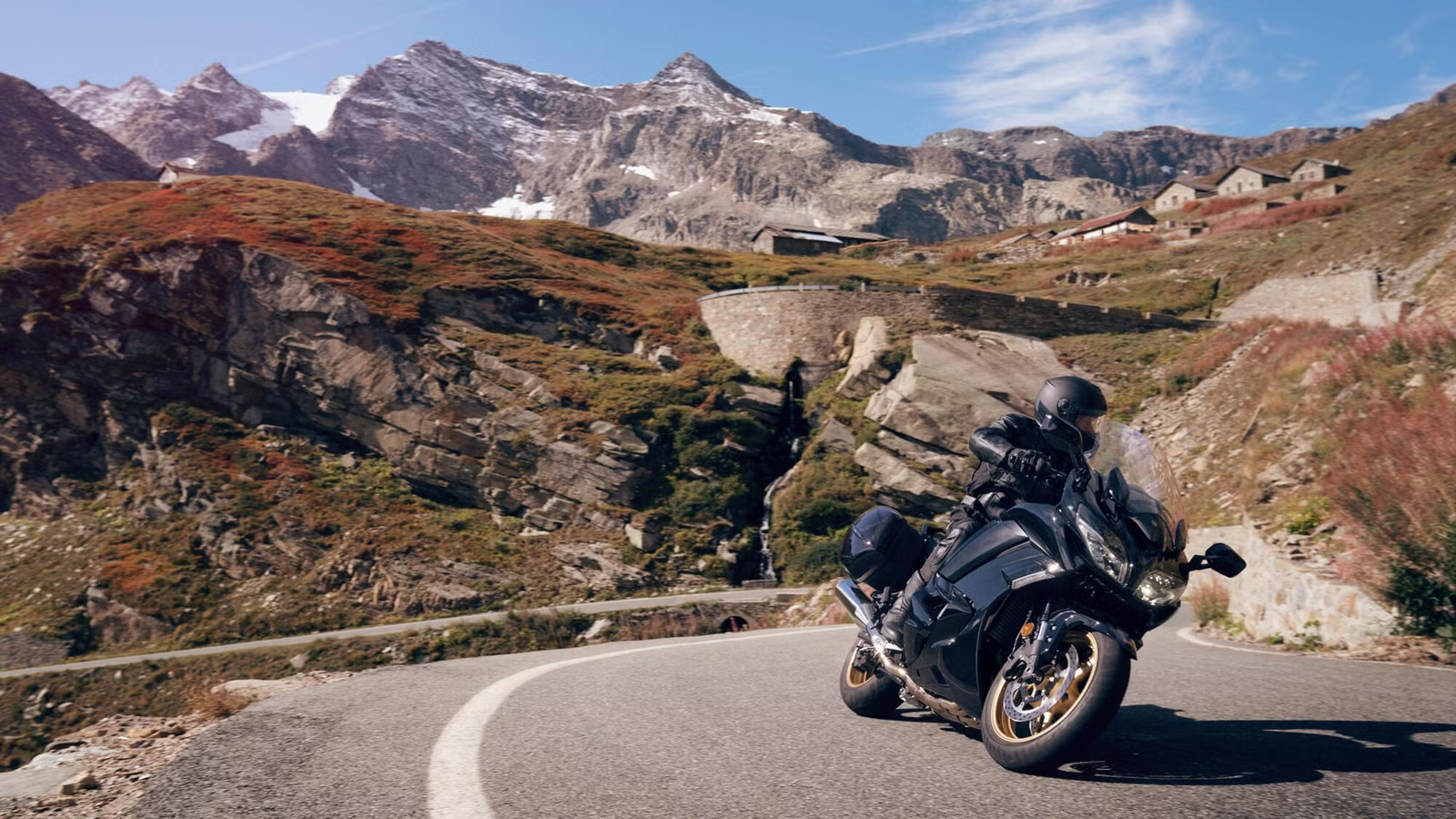
A $4,000 motorcycle with roughly 80,000 miles on its odometer doesn’t sound like an obvious record-setter. Yet in 2021, one such motorcycle crossed the United States in just 32 hours and 52 minutes. Three years later, an even older model of the same Yamaha bike did this 20 minutes faster.
Cross-Country Records Aren’t Just About Speed

Unofficial Cannonball runs are about covering the distance between New York and Southern California as quickly as possible. They aren’t a sanctioned event, and attempting them on public roads involves obvious danger and legal risks.
From a purely mechanical perspective, though, the challenge is quite interesting. It covers roughly 2,800 miles, which means outright horsepower is only one part of the total equation. A motorcycle also has to remain composed, carry enough fuel to minimize stops, provide good wind protection, and have excellent endurance to handle continuous riding sessions. That makes reliability just as important as speed, and you have to be clever about your choice of motorcycle. For this particular challenge, a proper sports tourer starts making a lot of sense.
Why A Used Sports Tourer Makes So Much Sense


A superbike might have more performance, but that doesn’t automatically make it better for this. Sports tourers, on the other hand, trade off some of their outright performance for comfort and composure. Their seats tend to be more accommodating, have a comfortable riding position, and offer better protection from sustained wind blast. Larger fuel tanks also help reduce the number of stops on a long journey.
Then there’s the engine. A large-displacement, litre-class sports-tourer doesn’t have to be constantly revved hard. Strong midrange means fast overtakes can happen without repeatedly chasing the redline. That’s exactly the kind of formula Yamaha spent years refining with one of its most durable long-distance motorcycles.
The Yamaha FJR1300: The $4,000 Record-Setting Machine

That motorcycle was the Yamaha FJR1300. Alex Jones bought his high-mileage example with around 80,000 miles on the odometer for just $4,000. In October 2021, he rode from the Red Ball Garage in Manhattan to the Portofino Inn in Redondo Beach, California, in 32 hours and 52 minutes. The distance was roughly 2,788 miles, and Jones made just seven stops along the way.
He also provided notarized statements and regular GPS screenshots to support his run. Since there is no official sanctioning body governing these records, that documentation matters when discussing any claimed Cannonball time. The most remarkable detail, however, might still be the bike itself.
The Engineering Behind Its Utter Endurance

The FJR1300 has always been a fantastic road machine. Its 1,298cc liquid-cooled inline-four produces roughly 141–144 horsepower, depending on year and specification. More importantly, it delivers strong torque throughout its rev range, making it easy to maintain highway speeds without constantly working the gearbox.
Then there’s the shaft final drive. Unlike a conventional chain drive, the shaft doesn’t require regular lubrication or tension adjustment. It still needs servicing, but for riders covering huge annual mileages, it removes one recurring piece of drivetrain maintenance.
Another important thing was fuel. The stock tank holds approximately 6.6 US gallons, which is quite decent. Also, its substantial fairing, adjustable windscreen, and comfortable seating position help make long-distance riding considerably less tiring.
While it has developed a reputation for being reliable, that doesn’t mean the FJR is indestructible. Shaft-drive components need servicing, suspension linkages can seize, and high-mileage motorcycles naturally wear consumables.
How An 80,000-Mile Motorcycle Pulled This Off

Jones didn’t simply buy an old FJR1300 and immediately point it toward California. The motorcycle was modified specifically for extreme-distance riding.
Most importantly, he added a seven-gallon auxiliary fuel cell. Combined with the Yamaha’s standard tank, that dramatically increased how far the motorcycle could travel between fuel stops. The FJR also received additional lighting, a more touring-oriented windscreen, highway pegs, extra power for electronics, and comfort additions around the seat and luggage setup. Those modifications tell you something important about the record attempt.
Very little of the preparation was about making the engine faster. The real priority was keeping the rider comfortable, reducing interruptions, and allowing the motorcycle to keep covering distance for as long as possible.
Then Another FJR1300 Broke The Record In 2024

Three years later, the story became even more interesting. In April 2024, Ross “Beau” Earnest reportedly completed the same New York-to-California challenge in 32 hours and 32 minutes. That’s 20 minutes quicker than Jones’s 2021 run. And once again, the bike was a Yamaha FJR1300, and that too was an even older model. It was also modified for longer range and touring comfort. The fact that two different riders achieved successive reported records on different generations of the same motorcycle makes the FJR1300 difficult to dismiss as coincidence but cements its already strong reputation for reliability.
The Japanese Sports Tourer That Just Keeps Going

The Yamaha FJR1300 isn’t exotic like a European one. It isn’t particularly light, either, and newer touring motorcycles offer more sophisticated electronics and considerably flashier technology. But the FJR’s strengths become clearer the farther you ride.
It has a powerful, understressed inline-four, comfortable ergonomics, decent wind protection, a large fuel tank, and the convenience of shaft drive. More importantly, it has spent years proving that high mileage doesn’t necessarily mean the end of a motorcycle. For a motorcycle designed to simply keep covering miles, that’s a pretty convincing legacy.

Related posts
Latest Post


No Comments