
The Riding Habit That Can Make Motorcycling Feel Like A Chore
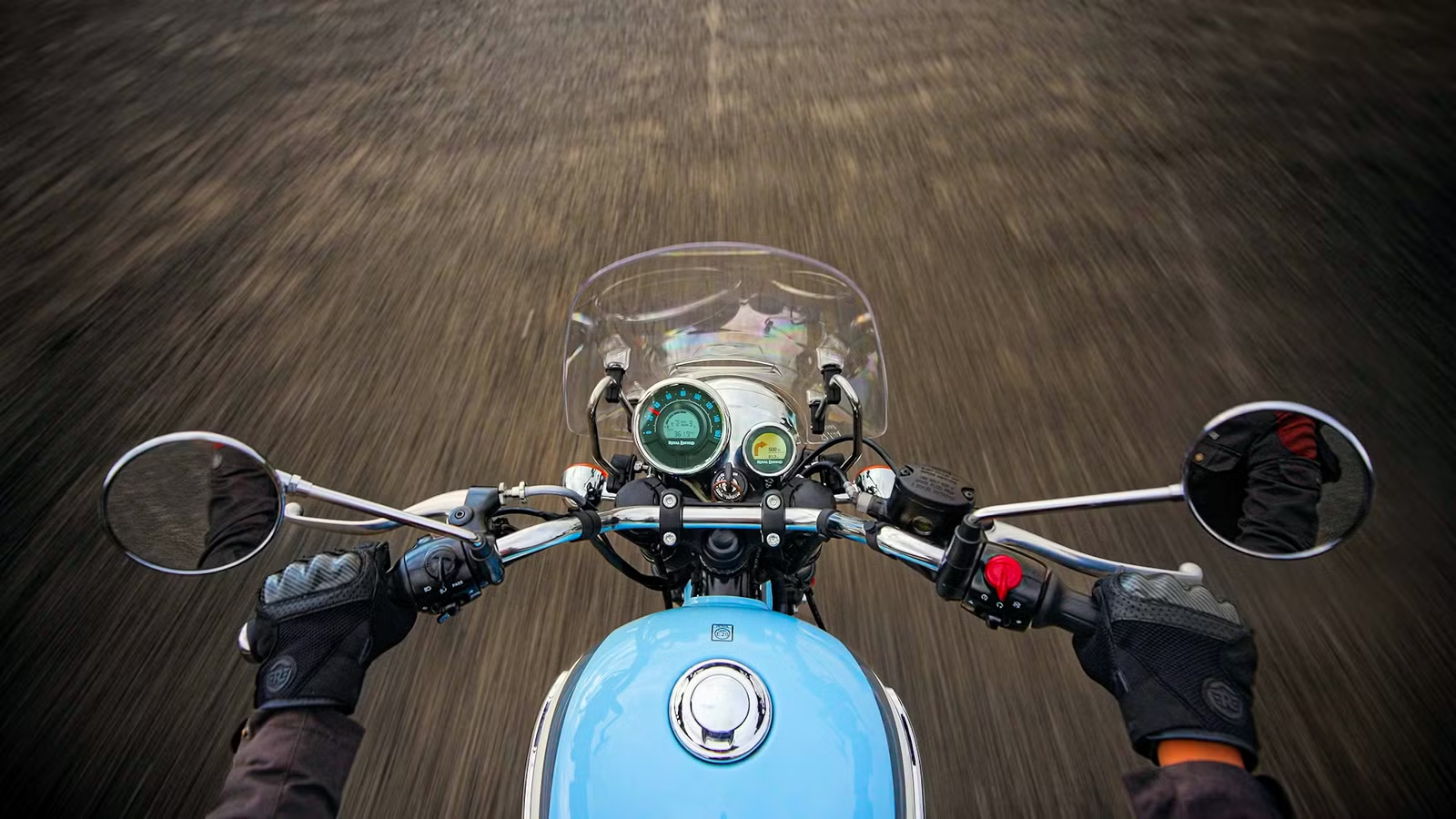
Riding a motorcycle is supposed to be fun. Whether you’re carving through your favorite backroads, commuting to work, or heading out on a weekend adventure, riding should be something you look forward to. But for some riders, especially beginners, even a short trip can leave them with aching wrists, exhausted forearms, and shoulders that seem to have aged 20 years. It’s easy to blame the motorcycle, particularly if you’re riding something with aggressive ergonomics. But sometimes, the biggest problem isn’t the machine underneath you. It’s how you’re interacting with it.

This article gives information based on actual riding and personal experiences.
Riding A Motorcycle Shouldn’t Feel Like A Workout
There’s no denying that riding a motorcycle requires physical effort. You’re balancing a machine that can weigh several hundred pounds, managing multiple controls, and constantly responding to changes in the road. But unlike lifting weights or running a marathon, motorcycling isn’t supposed to be an exercise in brute strength. Most of the time, good riding technique involves making small, deliberate inputs rather than forcing the motorcycle to do what you want. The less unnecessary effort you put into those inputs, the easier riding becomes.

Of course, certain motorcycles are more physically demanding than others. 600cc midweight sports bikes place more weight on your wrists, heavyweight adventure bikes require careful low-speed management, and aggressive riding can be exhausting regardless of experience. But if your arms are burning after a relaxed 30-minute cruise, there’s a good chance something else is happening. Before blaming the handlebars, seat, or suspension, it’s worth examining what your body is doing while you’re riding.
Why New Riders Tend To Work Harder Than They Need To

When you’re new to motorcycling, almost everything demands conscious attention. You’re thinking about throttle control, clutch engagement, braking, shifting, and where you’re supposed to be looking. Throw in traffic, unpredictable drivers, and the occasional pothole, and there’s plenty to process. It’s only natural to become tense when you’re concentrating on so many things at once. Unfortunately, that tension often manifests physically, even when you don’t realize you’re doing it.
Your shoulders creep upward, your elbows become rigid, and your hands tighten around the controls. Suddenly, every bump and change in direction requires more effort than necessary. What’s worse, the fatigue that follows can make you even more tense, creating a cycle that’s difficult to break. Experienced riders aren’t immune to this either, particularly when riding unfamiliar motorcycles or tackling challenging conditions. And one habit, in particular, can turn an otherwise enjoyable ride into an exhausting experience.
Death-Gripping The Handlebars Makes Riding Harder Than It Needs To Be

The culprit is something commonly called death-gripping, which is exactly what it sounds like. Instead of maintaining a secure but relaxed hold on the handlebars, riders squeeze the grips as though their lives depend on it. This often happens subconsciously, especially when accelerating, cornering, or encountering rough pavement. The instinct makes sense. Holding on tighter seems like it should provide more control. But excessive grip pressure can actually make the motorcycle harder to steer smoothly.
Motorcycles respond to deliberate steering inputs, and the handlebars need to move as the machine responds to the road. When your arms are stiff and your hands are clamped around the grips, bumps and upper-body movements can introduce unwanted steering inputs. Your forearms also remain under constant tension, while your wrists and shoulders absorb more strain than necessary. Over time, this can compromise comfort and steering precision, turning what should be a relaxing ride into an unnecessary wrestling match.
Your Legs And Core Should Be Doing More Of The Work

One reason riders develop a death grip is that they’re using their arms to support too much of their upper-body weight. This is especially common on sport bikes, where forward-leaning ergonomics naturally place the rider closer to the handlebars. Instead of relying entirely on your wrists, use your legs and core to stabilize your body. Gently gripping the fuel tank with your knees and thighs helps keep you planted, particularly during braking and changes in direction.
Proper posture also makes a difference. Keep your elbows slightly bent, your shoulders relaxed, and your wrists in a comfortable position that allows smooth throttle and brake operation. You shouldn’t have to squeeze the tank with all your strength either. The goal is to distribute your weight and maintain stability without creating tension somewhere else. Of course, motorcycle ergonomics still matter, and some riding positions will always demand more physical effort. But good technique can make those demands easier to manage.
At Times, Better Riding Means Doing Less

Breaking the death-grip habit starts with becoming aware of it. During a relaxed stretch of road, pay attention to how tightly you’re holding the grips. Are your forearms constantly flexed? Are your shoulders raised? Are you leaning heavily on your wrists? If so, consciously relax your upper body while maintaining a secure hold and full control of the motorcycle. You can also adjust your seating position to reduce unnecessary pressure on your hands. These small corrections can make a noticeable difference over a longer ride.
It’s important to understand that relaxed riding doesn’t mean being careless. You still need to maintain control of the throttle, brakes, and handlebars, especially during emergency maneuvers. The objective is to eliminate unnecessary tension without compromising your ability to react. Think of it as separating the effort required to control the motorcycle from the effort you’re wasting simply holding yourself in place. Once you recognize the difference, riding becomes less about fighting the machine and more about working with it.
The Best Riders Aren’t Necessarily The Ones Working The Hardest

Watch an experienced rider navigate a series of corners, and you’ll often notice how little unnecessary movement there is. Their steering inputs are deliberate, their posture is controlled, and their upper body remains relaxed even as the motorcycle changes direction. That doesn’t mean they’re putting in no effort. It means they’ve learned where that effort needs to go. Developing this skill takes practice, but it doesn’t require expensive upgrades, specialized equipment, or a more powerful motorcycle.
There’s a tendency to associate better riding with going faster, braking harder, or leaning farther into corners. But becoming more comfortable and confident on two wheels is just as important. If you’re constantly exhausted after riding, the solution might not be a different motorcycle or a more comfortable set of handlebars. It could be as simple as learning to loosen your grip. Sometimes, the biggest improvement you can make to your riding technique is figuring out what you don’t need to do.

Related posts





Latest Post




No Comments