
The Naked Bike That Makes Every Commute Worth It
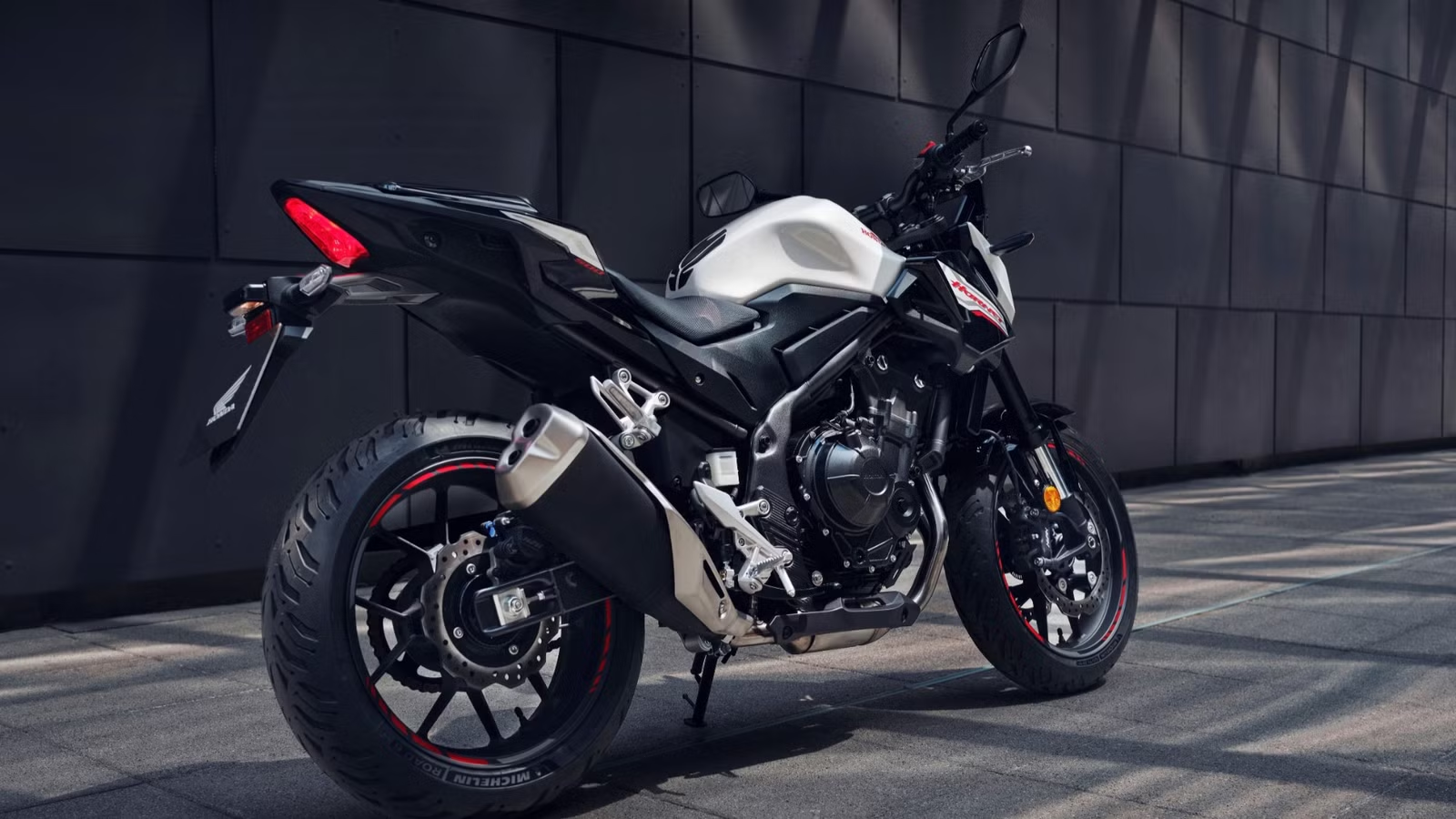
Taking your bike for a weekend canyon ride or a highway trip is something every rider looks forward to. However, a motorcycle that gets the job done every day seems to hold more importance. A big cruiser for long hauls or a sharp sports bike for track days is something you may want in your garage. But everyday usability takes a hit with these motorcycles. So, to get around the city every day, naked bikes have proven to be a wise choice. Comfortable ergonomics, nimble and easy to ride, and usable power make up a motorcycle best suited for your commutes. Here’s one such naked motorcycle that makes every commute worthwhile.
Why Naked Motorcycles Make Great Commuters

Fairings look great on a track day. In a traffic jam, however, they mostly add weight and inconvenience. A committed riding triangle, loud exhaust, and a turning circle of a minivan is what you sign up for when you take a sports bike for your commutes. Naked motorcycles take a different approach – light, nimble, less bodywork, and a riding triangle that you’d like to be in, even in a traffic jam. And while there are a plethora of naked bikes to choose from, a few bikes hit the sweet spot, especially for commuting.
40-50 HP Naked Bikes Serve As The Sweet Spot

While commuting day to day, you don’t really need an inline-four or a 90-horsepower motorcycle. You need power that is usable – enough to sustain highway speeds and keep up with 650s and 800s on weekend runs. A motorcycle with 40 to 50 horsepower offers a balance of performance, efficiency, and refinement. It is more fun to push a 45 horsepower bike to its limits than to ride carefully on a 90 horsepower bike. One such Japanese motorcycle offers the sweet spot when it comes to performance and everyday comfort.
The Honda CB500 Hornet Balances Everyday Comfort With Punchy Performance
MSRP: $5,899


The Honda CB500 Hornet lives right in that sweet spot. Formerly the CB500F, it picked up the Hornet name for 2026 to match its street fighter-inspired looks. The design is sharp and aggressive, but the way this motorcycle rides is quite different. With a neutral and relaxed riding position, the CB500 Hornet is a comfortable motorcycle for a range of riders. It is a naked bike that can handle Monday-to-Friday commutes and still be playful on a spirited weekend run.
How This Makes City Riding Effortless

The easy-going nature of the motorcycle shows up the most in traffic. The 31.1-inch seat height makes the bike quite approachable. Weighing in at 416 pounds, the CB500 Hornet is fairly light and easy to maneuver. All of this, paired with an upright riding position and Honda’s light clutch, means riding in traffic may not be as tiring. Honda backs all of this up with its durability and reliability, ensuring an easier ownership experience.
Reliability And Low Running Costs Add To Practicality

Commuters rack up some serious miles, so reliability matters a lot to the rider. This parallel-twin is popularly reliable, and the 500cc platform has been on sale since 2013. That long track record helps. Honda’s own history of the model also credits sensible running costs as part of its appeal. That, paired with decent fuel efficiency, results in low running costs, especially over longer ownership. All combined, the CB500 Hornet is a reliable motorcycle with low running costs that you can use every single day.
Powered By A Smooth And Reliable Parallel-Twin

At the heart of the matter is Honda’s tried-and-tested 471cc liquid-cooled parallel-twin engine. This is an engine built around calm, not chaos. The engine produces 47 horsepower and 32 pound-feet of torque, both of which are low in the revs, so you don’t really need to wring the throttle to get the bike going. All the performance is backed by Honda’s reliability – a design that has been working for 13 years. This is an engine you can lean on every day, and it will get the job done without asking for much.
There’s Decent Fuel Efficiency, Too

Along with a reliable power plant and usable power, the CB500 Hornet offers decent fuel efficiency. One can expect 60 to 70 miles per gallon depending on riding style and conditions. These figures, paired with a 4.5-gallon fuel tank, mean the Hornet could go around 300 miles on a full tank. It is noteworthy that the fuel efficiency will be directly affected by riding style, but the motorcycle will still deliver a decent figure. This is something every rider will appreciate, especially those who will use this bike in the city. Thanks to this fuel efficiency, the running costs of the CB500 Hornet are lower, adding to the practicality of the motorcycle.
Premium Underpinnings Borrowed From The Class Above

Affordable bikes often use cost-cutting methods, while a few offer equipment that just about justifies the price. However, the CB500 Hornet brings in components from the class above. Up front, you get a 41mm inverted Showa fork, which is claimed to provide rigidity and good steering feedback. This setup, Honda says, is similar to the one on the CB650R. At the rear, you get a single-tube shock with five-stage preload adjustment.
Twin 296mm front discs with radially mounted Nissin four-piston calipers and a single disc at the rear paired with ABS handle the braking. All of this is built around a steel diamond-tube frame tuned to relay feedback from the road. That’s hardware you expect to see on a bigger and more expensive motorcycle.
Along With Adequate Everyday Features

The hardware is backed by all the necessary software you need. A five-inch color TFT display uses optical bonding to stay legible in bright sunlight. Three display layouts are on offer, all controlled by a backlit toggle on the left handlebar. Honda Selectable Torque Control watches for rear-wheel slip and ensures better traction to put the power on the ground. This, paired with all-LED lighting, covers the basics of what you need for everyday riding.
A Recent Price Cut Boosts the CB500’s Case In 2026

Price is where the story gets interesting. For 2026, Honda cut the CB500 Hornet’s US base MSRP by $800. It now starts at $5,899, which is still slightly more than the Kawasaki Z500 ABS, worth $5,699. However, Honda’s mix of hardware, features, and reputation makes the value case much stronger than before. This is a motorcycle that will be an easy daily rider while still keeping up with bigger and more powerful bikes decently. However, the reliability, low running costs, refinement, and comfort only make this deal sweeter. If you are someone who needs a fun and zippy motorcycle to commute, the CB500 Hornet makes a great case for itself.
Source: Honda Powersports

Related posts

Latest Post


No Comments