
The Motorcycle That Costs Less To Own Than You’d Expect
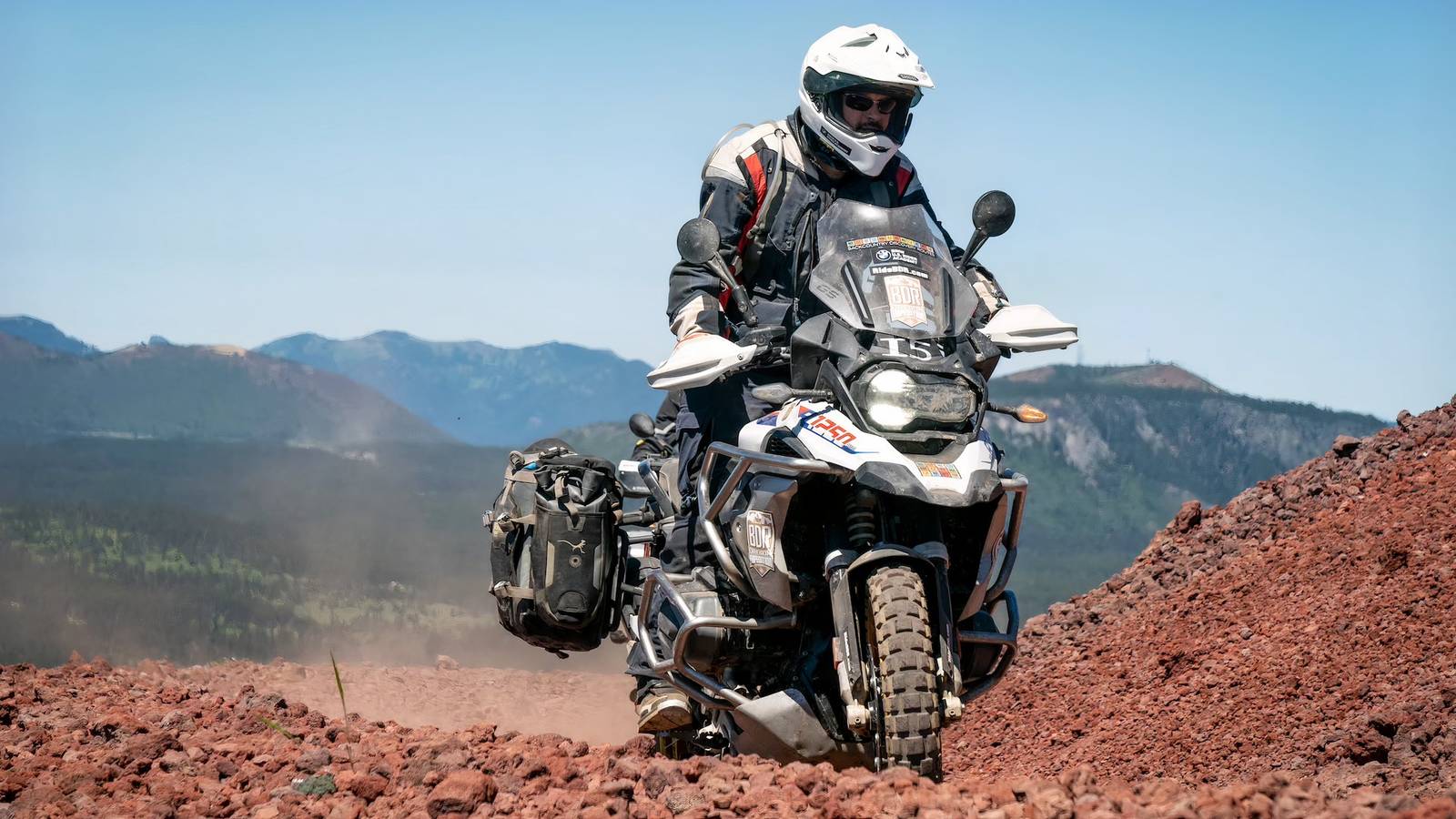
Turning 40 brings about a change in perspective as one transitions from the experimental phases of life to knowing exactly what one wants. Or at least, that’s the hope and plan. We’ve said it before: the adventure bike is a solid answer for a motorcycle suited to riders over 40 inclined at exploration.

The problem is, today’s economy is making new purchases harder by the day. And then there is the problem of the perception that a machine built for continent-crossing ambition, priced like the flagship it is, carries a reputation of being pricey to buy and to maintain. It’s supposed to get you anywhere, and it’s supposed to cost you plenty for the privilege of finding out.
What Owning A Flagship Adventure Bike Actually Costs
“Costing plenty” has to be a bit specific in this context. The first way around the major cost is actually rather simple. Skip the brand-new flagship and buy the one it just replaced. But it isn’t as simple as buying the same bike for cheaper. A new generation usually means a genuinely different machine underneath, a different engine, a different chassis, a different personality on the road.

In most cases, it won’t even be available new, so you’re going to have to scour the annals of the internet to find a good used example. What the previous flagship carries instead is its own reputation, built over its own production run, and it’s up to you to screen that reputation during your search. What it doesn’t mean is that a previous-gen flagship is obsolete.

Then comes what a flagship actually costs to keep running, and it adds up in specific ways too. Valve checks every few thousand miles, a chain stretching and rusting if it’s neglected, tires wearing out fast under the hundreds of pounds of loaded touring weight, and parts that come only from the manufacturer, with no aftermarket alternatives, all pile onto a service bill. Drivetrain type alone can swing that math by thousands over a decade of ownership. A bike with a reputation for constant repairs loses buyers, while a bike that owners rarely complain about tends to hold its price instead. That’s the real test for a flagship adventure bike.
The BMW R 1250 GS Costs Less To Own Than Its Badge Suggests

From 2019 to 2023, the R 1250 GS held the GS flagship spot until BMW handed the job to the R 1300 GS, and that handoff is exactly what makes it worth a second look now. The platform carries four decades of GS pedigree, and the boxer twin underneath it runs BMW’s ShiftCam variable valve timing to make 136 horsepower at 7,750 rpm and 105 lb-ft at 6,250 rpm.
At $17,995 for the base spec when it was new, the bike was pricey for sure, but it’s the big GS’s reputation that makes it hold its value well. Now, standard BMW R 1250 GS listings run from around $13,700 for a 35,000-mile 2023 bike, with clean 2022 models showing up closer to $16,000. That’s some savings, but it’s also an investment in the way that its lower depreciation will guarantee a higher resale when you’re ready to part ways.
The Boxer Twin And Shaft Drive Cut Maintenance Costs

Everything that makes the boxer twin look unusual on a spec sheet turns into money saved on maintenance. BMW built the drivetrain around that layout in ways that work in an owner’s favor. A shaft drive skips an entire category of expenses a chain-driven bike has, including the frequent maintenance and changing a worn-out chain. Add in what it actually drinks at the pump, and the running costs on the R 1250 GS look nothing like what the badge implies.
Long Service Intervals Keep You Riding Longer

The whole evolution of the GS ADV revolves around its globe-trotting ability, which means it’s built to spend more time on the road than a workshop. BMW specifies an oil change every 6,000 miles or once a year, whichever comes first, and reserves the deeper valve clearance check for every other visit, around 12,000 miles. The drivetrain compounds the savings.
Power reaches the rear wheel through a Paralever shaft final drive, not a chain, which means no sprockets to replace, no chain to lube every few hundred miles, and no worn links stretching a wheel out of alignment. A chain maintenance kit alone runs a few hundred dollars in recurring expenses along with a replacement repeated every 15,000 to 20,000 miles for the life of the bike.
Good Fuel Economy Adds Up Over The Miles

BMW ADVs are a fairly fuel-efficient lot. The R 1250 GS is rated at roughly 49.5 miles per gallon and closer to 260 miles out of the 5.3-gallon tank between fill-ups. That’s a genuinely efficient number for a machine hauling this much weight and frontal area down the highway, and it means fewer stops on a long tour and a smaller number showing up at the pump every time. Multiply that over years of riding, and it amounts to real money saved in running costs.
Resale Value And A Reliability Reputation That Holds Its Price

When the R 1300 GS launched, R 1250 GS owners on the model’s biggest enthusiast forum immediately started asking whether the new generation would tank what their bikes were worth. The consensus that came back was rather reassuring. Regulars there pointed out that GS values tend to hold up once the first year’s depreciation hit passes, especially while a bike’s still under warranty. A recent used-buying deep dive that put a 40,000-kilometer example through its paces found that significant depreciation of the older generation “is not expected”, partly because the 1300’s own rocky first year left some longtime GS riders content to stay put.
The reliability data backs up that confidence. Valve clearance checks on the ShiftCam boxer show little need for adjustment even past 100,000 kilometers, and engine teardowns at that mileage turn up pistons, cylinders, and a crankshaft in near-new condition. The shaft drive, which does need inspection every 20,000 kilometers (about 12,500 miles) and a preventive replacement at 60,000 (about 37,000 miles), could be a pain point for high mileage riders, though BMW covers that replacement for the life of the vehicle at no cost to the owner, a benefit that wasn’t extended to the R 1300 GS.
How The R 1250 GS Stacks Up Against The Multistrada And Super Adventure

The R 1250 GS finds its true era-contemporary rivals in the Ducati Multistrada and the KTM 1290 Super Adventure. A 2022 Ducati Multistrada V4 with similar mileage runs $13,500 to $20,000 on the used market right now, at or above what the GS itself commands. But despite a valve-check interval of 37,300 miles that triples the GS’s 12,000, it demands a Ducati-recommended chain and sprocket change every 12,000 miles, the exact expense the GS’s shaft saves on.

The KTM 1290 Super Adventure S actually undercuts the GS on price, with clean 2022 examples running as low as $11,000, and a valve-check interval stretching to 18,600 miles. But it’s chain-driven too, a 525 X-ring unit that needs periodic replacement and lubrication. None of these bikes are bad buys, and what the comparison shows is that a longer valve interval on paper doesn’t automatically mean a cheaper bike to own. But factor in aspects like bulletproof reliability, better resale value, and advantages of a shaft drive, the differences become narrower and start looking more like a bargain than either rival. BMW’s top-dog GS line rarely gives you a reason to replace it.
Sources: BMW Motorrad, KBB, Cycle Trader

Related posts




Latest Post


No Comments