
The Motorcycle For People Who Think They Are Too Old For Sport Bikes
Riding a sport bike is always thrilling. The sound the engine produces leaves you intoxicated, and every twist of the throttle puts a grin on your face. But as much as you love it, age has a brutal way of humbling even the most passionate riders. Spending a few hours tucked into aggressive riding positions on these powerful machines takes a physical toll that can make you question your investment in the first place.

That doesn’t necessarily mean you have to sacrifice your need for speed. Here’s where the sport tourer makes a compelling case. No, not the crossover-kind, but the actual sport-touring bikes based on sports bikes. This segment delivers the power, fun, and everything you expect from sport bikes, plus an added package that offers a better riding position, wind protection, and features that keep long rides less demanding.
Sport Tourers Offer A More Livable Middle Ground
Sport bikes bank on their aggressive ergonomics to deliver an engaging riding experience. However, that same design eventually takes its toll. The forward-leaning stance naturally puts pressure on the wrists, and the race-oriented rider triangle forces your lower back and knees to give in. For people considering covering miles without compromising the body, this option is far from ideal. Sport tourers offer an uncompromising alternative.

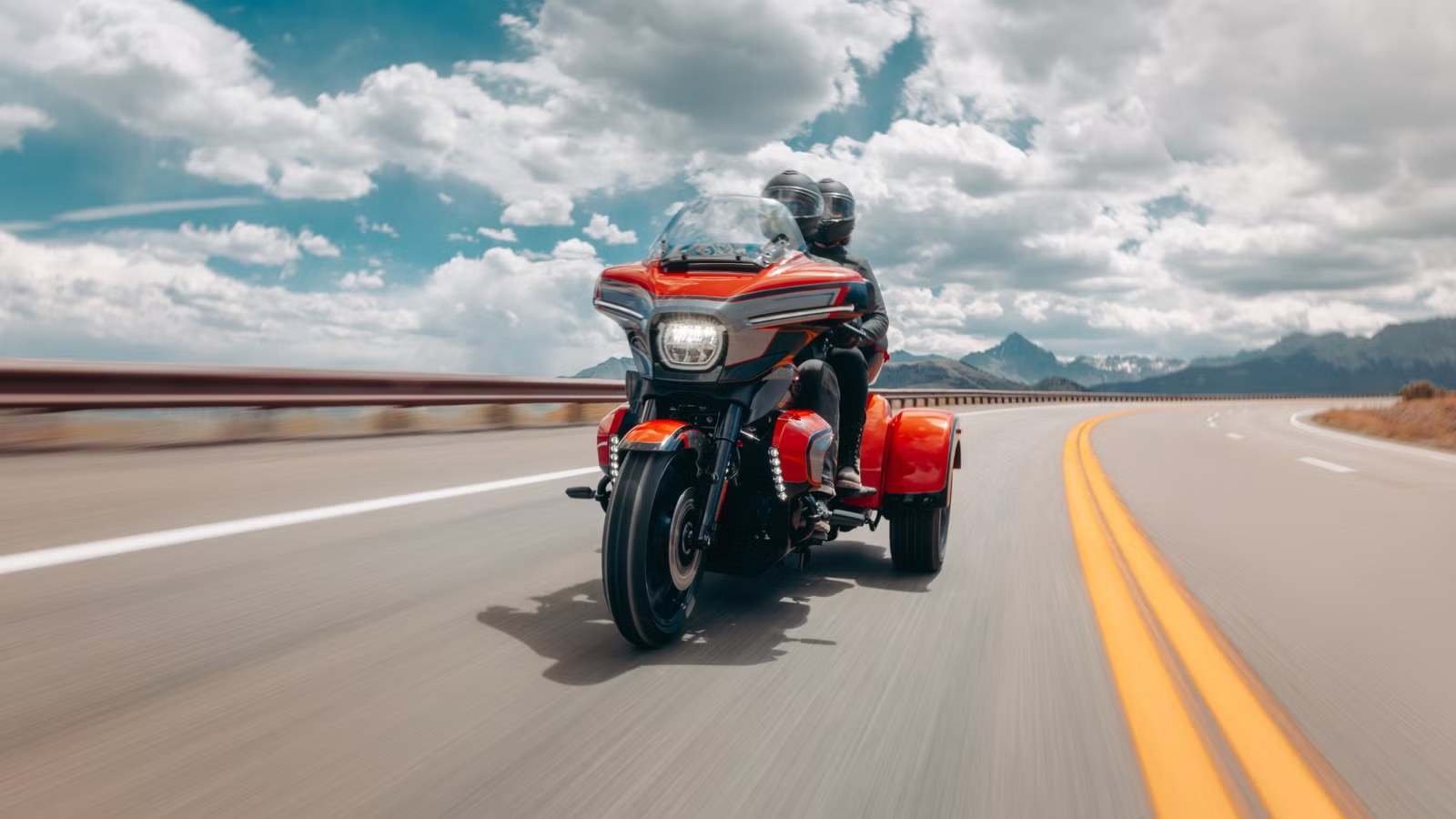
They take nothing away from what a sport bike delivers, but ensure you are well compensated to enjoy the performance it packs. Higher handlebars and lower footpegs deliver an upright, relaxed riding position. While the engines retain the sport-bred DNA, they are retuned to deliver better low-to-mid-range torque. To complete the package, great wind protection, factory comforts, and integrated luggage options ensure you and your passenger can take advantage of the comfort.
The Suzuki GSX-S1000GT+ Keeps The Thrill Without The Strain

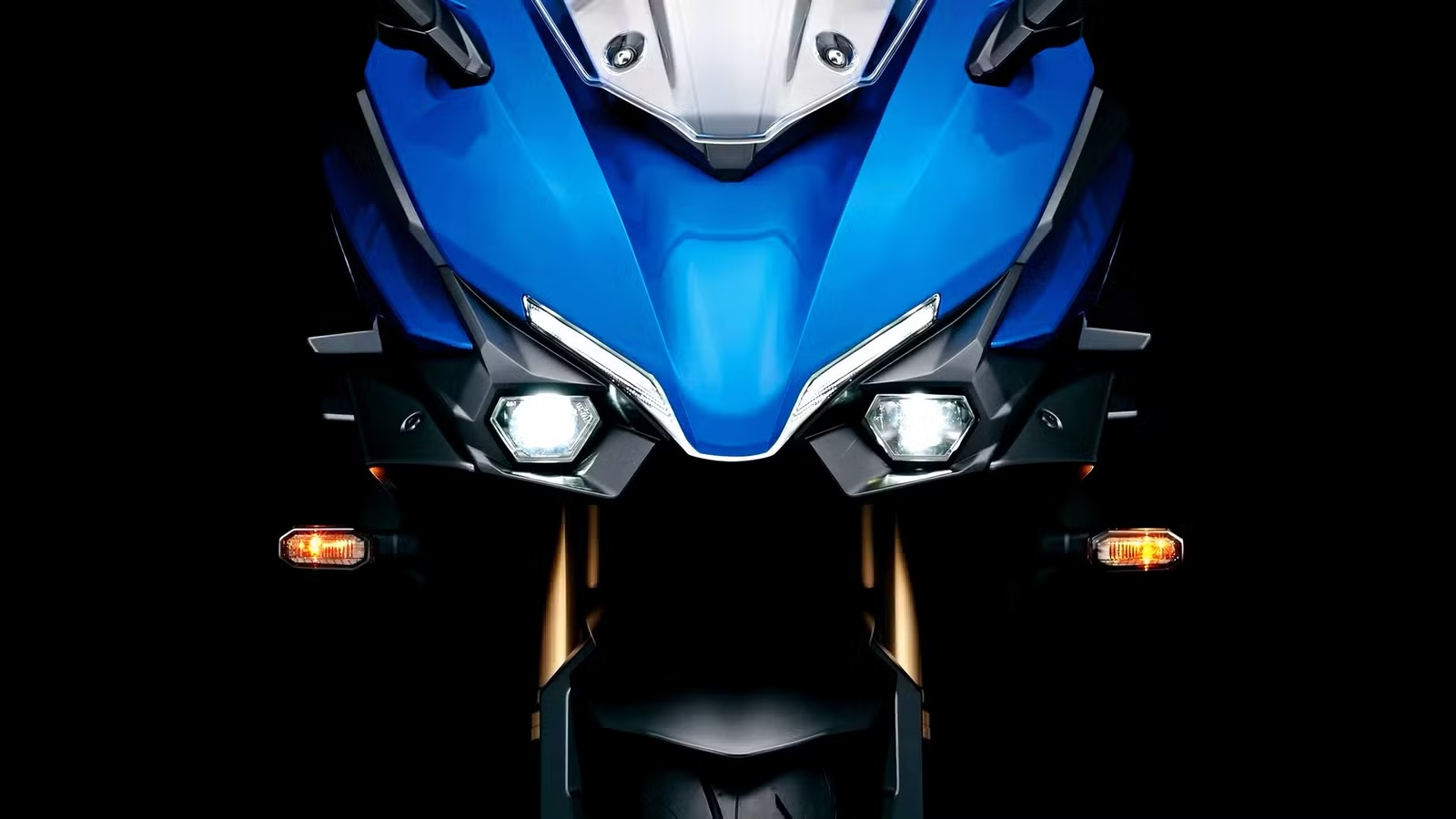
The best of both worlds is hard to find; however, Suzuki has bridged that gap with the GSX-S1000GT+, delivering performance backed by an iconic engine and features that make long-distance riding a breeze. Suzuki laid the groundwork with the GSX-S1000F in 2015, but it failed to establish itself as a true grand tourer because of many drawbacks. Recognizing the serious cultural shift, Suzuki completely overhauled the platform and introduced the GSX-S1000GT and GSX-S1000GT+.
Of the two, the ‘+’ variant is the one available in the US. After years of steady refinements, the current model’s power has jumped from 137 to a staggering 150 horsepower. Crucially priced at $14,599, the Kawasaki Ninja 1100SX sits at a lower price, but Suzuki delivers matching luggage hardware. The Ninja charges you $1,000 more, making it technically more expensive than the GSX-S1000GT+.
Suzuki Keeps The GSX-R Spirit Alive In A More Practical Package

Reliability has always been Suzuki’s strong suit, and they continue the trend here as well. At its heart is Suzuki’s legendary K5 platform, a bulletproof 999cc engine that has spent over 20 years cementing its status as an icon. The liter-engine has been refined to push out 150 horsepower at 11,000 rpm and 79 pound-feet of torque at 9,250 rpm. Thanks to its long-stroke architecture, the motorcycle delivers serious grunt from as low as 4,000 rpm, then transitions into a performance rush to the redline.
Elsewhere, the GSX-S1000GT+ features a completely mechanical suspension setup. The front features fully adjustable 43 mm USD telescopic forks providing spring preload, compression, and rebound damping. The link-type rear suspension also offers limited adjustability. Omitting electronic suspension may seem questionable, but Suzuki’s decision makes both the bike and the purse lighter.
The Agile Skeleton That Keeps The “Sport” In Sport Touring

As a sport tourer, the Suzuki GSX-S1000GT+ doesn’t compromise on any front, thanks to its ‘sport’ soul. Just like the engine, the chassis is also derived from the championship-winning platform. The GSX-R-derived mainframe consists of a twin-spar aluminum frame and an aluminum-alloy swingarm. The sub-frame, however, is unique to the GT series. It features a trellis-style subframe built to accommodate the 36L side cases and carry a pillion without hassle.
The 520 lbs powerhouse is backed by track-grade stopping power. Brembo’s four-piston Monobloc calipers clamp the 310mm fully floating stainless steel discs up front. The rear features a 240mm disc complemented by a Nissin caliper. The motorcycle-specific lightweight 17-inch cast-aluminum wheels come with radial tubeless tires, providing sufficient grip and quick handling.
Smart Cruise Control And A Quickshifter Take The Effort Out Of Touring

Making this bike cost-efficient comes at a cost. While Suzuki has made cuts, it hasn’t made it completely bland; it has just the right amount of tech to make a rider’s life better without charging a premium. Anchored by the Suzuki Intelligent Rider System, the GSX-S1000GT+ features Smart Cruise Control that uses Bi-directional Quick Shift to shift gears seamlessly without disengaging cruise control.
The centerpiece is a 6.5-inch TFT display that features Suzuki mySPIN Connectivity. This lets you project turn-by-turn navigation, make calls, and play music right on the screen. Other notable rider-assist and comfort features include switchable ABS, five-step traction control, a ride-by-wire throttle, and selectable ride modes.
The GSX-S1000GT+ Makes Growing Up Look Fun

Growing up is unforgiving. At one point, you’re addicted to raw performance and a posture that mimics a professional racer; the next moment, you’re humbled by a chorus of wrist, back, and knee pain that gives a reality check. It is painful, but it doesn’t technically mean you’re too old to ride a sport bike. It simply calls for a smarter package — one that respects your physical limits while still delivering the adrenaline your youth craves.
The GSX-S1000GT+ is Suzuki’s answer to the motoring world. The immortal K5 has been retuned to deliver low-to-mid-end thrust while retaining performance similar to its sport bike predecessor. This performance is packed in a highly forgiving package that includes an upright riding position that doesn’t strain your body, plush seats for comfortable long tours, and integrated hard luggage. By undercutting all its rivals and delivering a motorcycle that proves blistering speed and comfort go hand in hand, Suzuki has provided a motorcycle that respects your age, proving that growing old can be fun.
Source: Suzuki Cycles

Related posts




Latest Post


No Comments