
The Mid-Engine Pontiac Fiasco That Everyone Wants To Be Better Than It Is
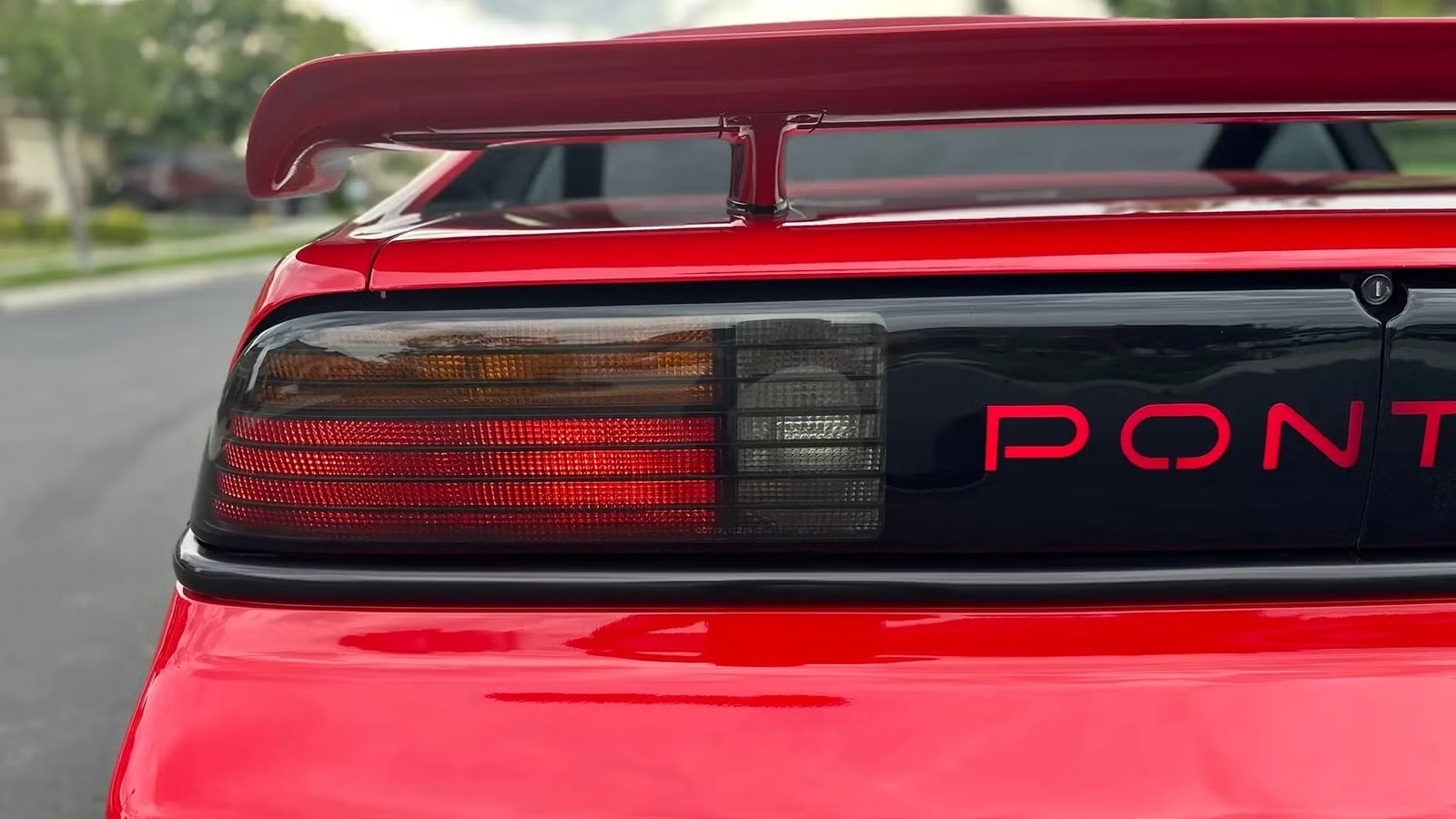
If you were an enthusiast walking through a parking lot in 1984, you might pass a regular boxy commuter compact or a chrome-trimmed cruiser, only to see a parked car that looked like it came straight from the shores of Italy. It sat low and wide on the pavement, with a classic wedge profile that looked like it was going 100 miles an hour even while standing still, yet this exotic-looking car wasn’t a Ferrari or a Lamborghini. It wore an American badge on its nose, from a manufacturer famous for V8-powered muscle cars and commuter sedans.
Why American performance lost its soul in the 1970s

By the late 1970s, strict emissions standards, oil crises, and sky-high insurance premiums choked the golden era of American performance. Pontiac built its brand on performance icons like the GTO and the Firebird Trans Am, cars defined by speed and excitement. But in the 1970s, it faced an identity crisis as rising costs pushed buyers toward practicality, and showrooms across the country filled with sensible, front-wheel-drive economy boxes made for function rather than emotion.
Pontiac engineers knew that as regulations grew even more stringent, relying on engine displacement alone to produce massive horsepower figures wouldn’t work for long; they had to offer something else to grab the enthusiast: a car with performance that was also affordable to buy and maintain, a car defined not by a gas-guzzling V8, but by its dynamic performance and styling. Pontiac aimed to build a lightweight, mid-engine two-seater that could give the driver an exotic European feel at an affordable price, a concept meant to bring youth back to Pontiac’s aging image.
Pontiac’s Sneaky Strategy to Bypass GM Executive Vetoes


Getting a mid-engine sports car approved at General Motors in the late 1970s was nearly impossible. Chevrolet guarded the flagship Corvette as a prized possession, and corporate boards rejected any project that could steal its spotlight or sales.
Pontiac had to pull off a clever strategy to get GM to approve its design. They couldn’t pitch their design as a true performance sports car. Instead, they pitched an ultra-frugal, commuter-friendly car designed primarily to help GM meet increasingly strict CAFE (Corporate Average Fuel Economy) mandates.
The clever strategy worked, but it came with a catch. To keep development costs under $400 million, GM management mandated that the car be built almost entirely from existing hardware pulled straight from GM’s parts bin. The front suspension came from the Chevrolet Chevette, the rear setup was an inverted front-axle assembly from the Pontiac Citation, and the engine bay had to house a four-cylinder econobox.
The Pontiac Fiero: Exotic Design, Budget Reality

When the 1984 Pontiac Fiero finally debuted, it sent shockwaves through the automotive community. It was essentially the first mass-produced mid-engine sports car from an American automaker, with a rigid steel space-frame chassis wrapped in composite plastic body panels. Visually, it looked like a supercar but was affordable for buyers who could never dream of owning an exotic European flagship.
Unfortunately, the Fiero’s positives stopped with its looks and styling; once you stomped the accelerator pedal, it revealed the Fiero’s reality. It used GM’s infamous 2.5-liter “Iron Duke” four-cylinder engine. It produced just 92 horsepower and revved to a 5,000 RPM redline. Zero-to-sixty acceleration was well over ten seconds, meaning even a standard family sedan and station wagon could easily pull away from the Fiero at the stoplight.
To fit the engine into the tight engine bay, GM reduced the oil pan capacity from four quarts to three. When the oil level dropped below the required minimums, the car suffered catastrophic rod-bearing failures. Early models caught fire on highways, giving the Fiero a reputation for being unreliable and fragile, which ultimately overshadowed its engineering ambition.
The 1988 Model Year That Proved Everybody Wrong

Despite its disastrous rollout, enthusiasts recognized the Fiero’s genuine performance potential once Pontiac began correcting its early mistakes. By 1986, they introduced the Fiero GT, featuring an aggressive fastback roofline and a 140-horsepower 2.8-liter V6 engine that finally gave the car respectable acceleration that matched its aggressive European design.
But the real transformation came in 1988, when GM finally greenlit a proper tri-link rear suspension, and Pontiac chassis engineers redesigned the front geometry from the ground up. While automotive lore credits Lotus because of GM’s ties, Pontiac did the heavy lifting on its own. For that one model year, the Fiero GT became a legitimate corner-carving sports car that could hold its own against rivals like the Toyota MR2 and the Mazda RX-7.

A late-model Fiero offered a complete, driver-centric analog experience that met enthusiasts’ expectations from day one. Inside the cockpit, the car lacked power steering; the steering rack sent every subtle ripple and texture in the road surface directly to the driver’s hands. The driver-centric cockpit, with a unique Pegasus steering-wheel hub emblem and optional headrest-embedded speakers, felt like a true exotic experience.
The mid-engine weight distribution allowed the chassis to rotate into corners with minimal body roll and exceptional balance. The ultra-rigid steel space-frame also created an ideal foundation for modern performance tuning, making the Fiero one of the world’s most popular platforms for high-output engine swaps, from supercharged V6s to lightweight V8s.
America’s Original Mid-Engine Icon Deserved Better

Just as Pontiac finally perfected the formula and gave the Fiero the suspension, chassis balance, and power it deserved, General Motors leadership pulled the plug. Citing declining sales figures and increasing warranty claims from early four-cylinder models, GM abruptly canceled the model after 1988. The ultimate tragedy of the Pontiac Fiero wasn’t that it was fundamentally flawed; it’s that GM axed it the moment it became a complete package.
In hindsight, GM should have built the 1988 car from day one, with a V6 in the launch version’s engine bay. Instead, today, Fiero owners LS-swap their cars and add the power they deserved. And make a supercar in their garages that corporate Detroit failed to make many decades ago.
Source: Hemmings, Wiki, Bring a Trailer.

Related posts


Latest Post


No Comments