
The Luxury Chevrolet Coupe With A 454 Big-Block V8
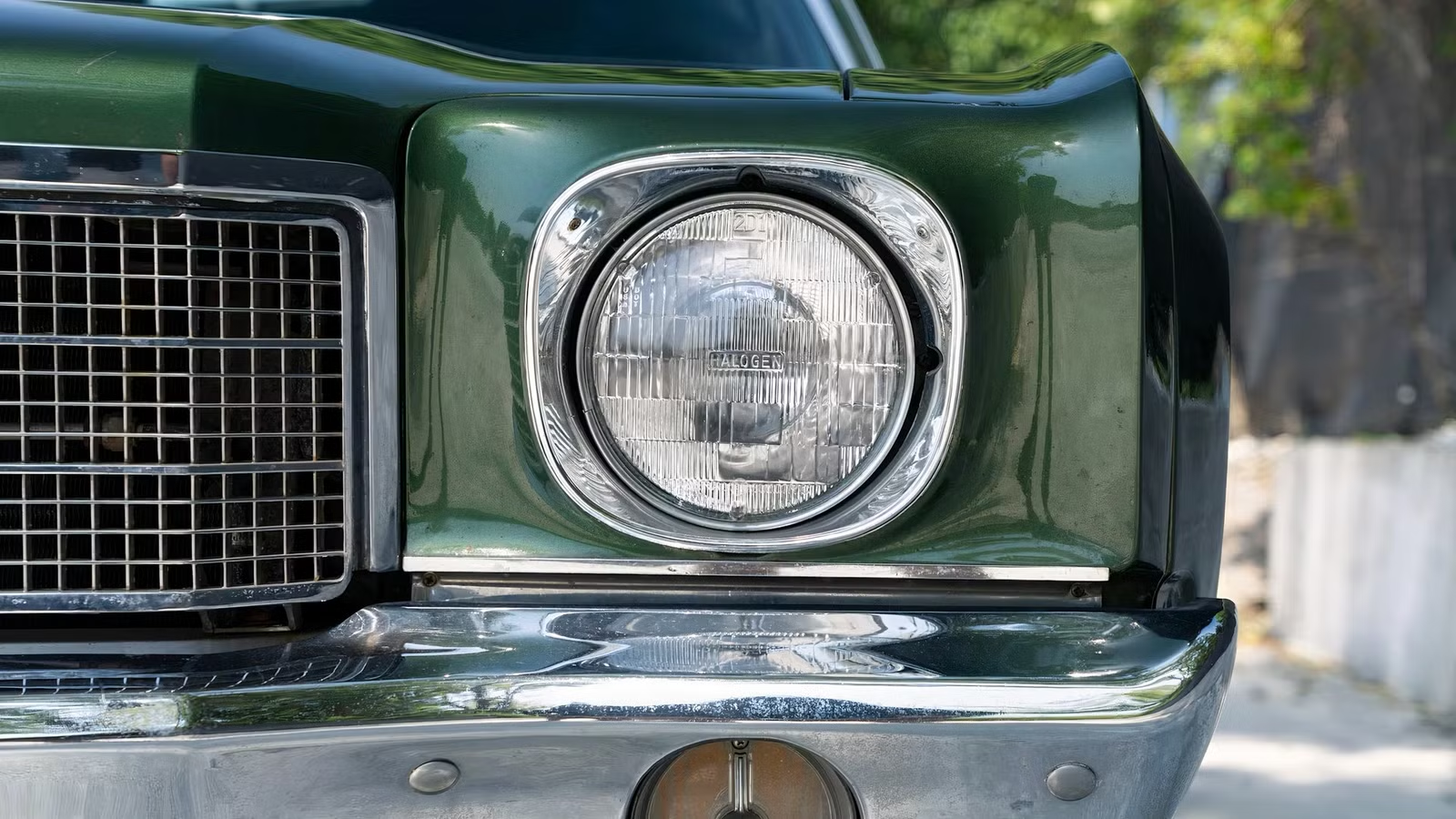
The late 1960s were a strange time for American cars. Detroit was busy building bigger engines, chasing horsepower records, and turning ordinary-looking Coupes into proper street bruisers. But buyers weren’t always looking for something that wanted to race every time the traffic light turned green. Plenty wanted a comfortable, stylish car that could eat up highway miles without rattling their teeth. Chevrolet spotted an opportunity to combine these two worlds. And its answer was a rather unexpected mix of personal luxury and serious V8 muscle.
Chevrolet Wanted A More Luxurious Kind Of Coupe

By the end of the 1960s, American buyers had plenty of muscle cars to choose from. But there was also a growing appetite for larger, more comfortable coupes that looked a little more expensive and felt special behind the wheel. Pontiac had already made a name for itself with the Grand Prix, while Ford had the Thunderbird competing in the personal-luxury market. Chevrolet wanted a piece of that action, too.
The idea was pretty straightforward. Give buyers a handsome two-door coupe with a long hood, a formal roofline, and a comfortable cabin, without asking them to spend Buick or Cadillac money. Chevrolet also wanted something that looked considerably more upscale than an ordinary Malibu. It was a smart move, and Chevrolet had the brand recognition and dealer network to pull it off. There was just one other Detroit obsession it couldn’t ignore.
The Muscle Car Era Was Still In Full Swing


Detroit, meanwhile, was still caught up in the horsepower race, and Chevrolet had some pretty intimidating hardware available. Its big-block engines delivered enormous displacement and mountains of low-end torque, making them particularly well suited to larger American cars.
There was a catch, though. More weight over the front wheels could affect handling, while the extra power demanded suitable suspension and tires. Buyers still expected a comfortable ride, so turning the suspension into something resembling a shopping cart wasn’t going to cut it. So why couldn’t a car designed around comfort and style also deliver the sort of performance usually associated with traditional muscle cars? Chevrolet had the right ingredients. Now it needed to put them together.
The 1970 Chevrolet Monte Carlo SS 454 Was A Luxury Coupe With Serious Muscle

Meet the 1970 Chevrolet Monte Carlo SS 454. Chevrolet took its brand-new personal-luxury coupe and stuffed the biggest engine in its 1970 lineup under that long hood. The SS 454 package, identified by RPO Z20, came with the LS5 454-cubic-inch Turbo-Jet V8. It produced 360 hp and a hefty 500 lb-ft of torque under the period’s SAE gross rating system. Those figures shouldn’t be confused with the lower SAE net ratings Detroit adopted for 1972.
That torque figure is the one that matters, because all 500 lb-ft showed up at just 3,200 rpm. This wasn’t some high-strung engine that needed constant encouragement to get moving, and its low-end pull made the LS5 a natural fit for a coupe pushing two tons. Chevrolet paired the LS5 with a three-speed Turbo Hydra-Matic 400 automatic. In fact, the SS 454 was automatic-only, even though a four-speed manual was available with every other Monte Carlo engine. Sorry, stick-shift fans. And these weren’t exactly common. Chevrolet built just 3,823 SS 454 Monte Carlos for 1970, fewer than three percent of the roughly 146,000 Monte Carlos that left the line that year.
Chevrolet Made Some Important Changes To Handle The Big-Block

Shoving a 454 into the engine bay was one thing. Making the rest of the car work with it was another. Chevrolet equipped the SS 454 with heavier springs and shocks, a rear anti-roll bar, seven-inch-wide wheels, and G70-15 tires. The standout feature was the automatic rear-leveling system. The setup used engine vacuum to pump air into the rear shocks when additional weight pushed the back of the car down.
Throw around 300 pounds of luggage in the trunk and the system would compensate, bringing the rear back to its intended ride height. Pretty clever stuff for 1970. It wasn’t some exotic suspension experiment, just a useful bit of engineering for a big coupe expected to carry passengers and luggage without complaining. With the trunk empty, though, the rear sat slightly high, giving the Monte a hint of drag-strip rake.
This Was A Different Kind Of Muscle Car

Here’s where the Monte Carlo gets particularly interesting. Chevrolet offered the same LS5 454 in the Chevelle SS 454, but the two cars had quite different personalities. The Chevelle was the more conventional muscle car, available with a four-speed manual or the 450-hp LS6 454. The Monte Carlo stuck with the LS5 and the automatic, putting greater emphasis on effortless performance and cruising comfort.
A February 1970 Car Life road test shows what that meant. Its Monte Carlo SS 454 reached 60 mph in 7.7 seconds and covered the quarter mile in 16.2 seconds at 90.1 mph. Those figures might seem a little underwhelming for a 454-powered Chevrolet, but the test car had a 2.73:1 rear axle instead of the 3.31:1 gearing the magazine said it was supposed to have. It also weighed 4,420 pounds as tested. That tall gearing had an upside, though. The Monte could cruise across Nevada at 80 mph with the big-block turning just 2,800 rpm, comfortably below its torque peak.
The Chevelle SS 454 was the more obvious choice for someone chasing traditional muscle-car thrills. The Monte Carlo could still move when asked, but it was perfectly happy spending the afternoon devouring highway miles. That’s what made this Chevrolet such an unusual proposition. It brought genuine big-block muscle to buyers who didn’t want their daily drive to feel like a trip to the drag strip.
Source: Mecum, Classic.com

Related posts




Latest Post


No Comments