
The Lexus Sports Sedan Quietly Making A Comeback
The sports sedan was supposed to be dead. Crossovers ate its lunch, SUVs claimed its parking spot, and brand after brand quietly pulled the plug on their four-door performance cars. Yet here in 2026, one compact luxury sedan is posting sales numbers that are making the industry do a double-take — and it belongs to a Japanese brand that never stopped believing in the formula. The Lexus IS is back, and the numbers behind its resurgence are genuinely hard to ignore.

The IS Is Exploding With A 50-Percent Jump In Y-o-Y Figures
According to the official sales report, 2,4396 Lexus IS models have been sold in the U.S. until October 2026 so far. In the same period last year, Lexus sold 16,172 IS models. This is a 50.9-percent increase compared to last year.
Lexus Has A Surprise Hit Hiding In Plain Sight
Since 2001, the Lexus IS has been a fixture. As Lexus’s compact luxury sedan, it has undergone several redesigns and significant changes over the past 25 years, yet it continues to be a go-to choice for buyers who want a sporty look, a refined cabin, genuine performance credentials, Japanese-grade reliability, and real comfort.

The 2026 Lexus IS is available in six grades: the 350 F SPORT Design, the 350 F SPORT Design AWD, the 350 F SPORT, the 350 F SPORT AWD, the 350 F SPORT Special Appearance Package, and the 350 F SPORT Special Appearance Package AWD. The trims carry the following starting prices, excluding options and destination fees:
- 350 F SPORT Design: $46,895
- 350 F SPORT Design AWD: $48,895
- 350 F SPORT: $49,345
- 350 F SPORT AWD: $51,345
- 350 F SPORT Special Appearance Package: $61,485
- 350 F SPORT Special Appearance Package AWD: $63,095
The Lexus IS Comeback Could Rewrite The Future Of Sports Sedans
The Lexus IS is winning on a platform that’s over a decade old, without turbos, without electrification, and without reinvention — which raises an uncomfortable question for every brand that killed its sedan lineup. SUVs have dominated sales for years, but is the tide beginning to turn?
The market has long been fixated on smaller turbocharged engines for instant torque, hybrid powertrains for better fuel efficiency, vast amounts of technology, and vehicles that are effortless to drive. The new Lexus IS takes a deliberately different approach.
This Aging Performance Sedan Is Winning Against Newer Rivals

First, the 2026 IS is still powered by a naturally aspirated engine — specifically, a 3.5-liter 2GR-FKS V6 producing 311 horsepower and 280 pound-feet of torque. Two transmission options are offered: rear-wheel-drive models get an eight-speed Sport Direct-Shift automatic, while AWD models use a six-speed automatic with paddle shifters. Previously, the IS was available with a 5.0-liter V8 as the IS 500, which is sorely missed, but the naturally aspirated V6 in a sports sedan remains a rarity worth celebrating.
Second, the Lexus IS has been built on the same platform for over a decade, and in typical Lexus fashion, Lexus has resisted the temptation to scrap everything and start from scratch. Structural reinforcements, revised suspension tuning, and a stiffer chassis have gradually sharpened the car without sacrificing its luxury feel.
The IS Has Topped Reliability Lists For The Past Five Years

Lexus has once again topped J.D. Power’s VDS, holding a 151 PP100 score against the industry average of 204 PP100. The IS itself carries a quality and reliability score of 91/100, topping the Best Compact Premium Car of 2026 list above the BMW 3 Series, 4 Series, and Tesla Model 3. And if you thought the IS just got lucky, the record says otherwise — it has topped the category for five consecutive years, with reliability scores that have improved each time, reflecting an intentional effort by Lexus to refine the IS rather than reinvent it.
According to CarEdge, the Lexus IS costs around $5,891 for maintenance and repairs during the first 10 years of ownership — $3,458 less than comparable models. The IS also carries just a 15.63 percent chance of requiring a major repair during that same period, more than 10 percent lower than its rivals. These figures likely play a real role in the IS’s growing popularity, particularly as highly technical hybrid and turbocharged models leave some owners facing system bugs and expensive servicing. The old-school V6 and proven platform do more than deliver an analog driving experience; they keep money in owners’ pockets and the car on the road.
iSeeCars rates the IS 350 8.9 out of 10 for reliability, 8.4 out of 10 overall, and 8.5 out of 10 for retained value. It also says the IS 350 has an average lifespan of 180,628 miles and 16.8 years, with a 38.7 percent probability of reaching 200,000 miles.
How This Unexpected Success Could Keep The Sedan Alive

The IS is by no means the cheapest sports sedan on sale in 2026, yet it is still selling exceptionally well. It is proof that there is still room for a sports sedan that prioritizes the fundamentals over headline-grabbing technology. While many rivals chase enormous horsepower figures, Lexus has quietly continued refining a package that drivers actually want.
The IS still rides on a double-wishbone front suspension and a multi-link rear setup, delivering precise wheel control and predictable handling rather than outright comfort. Over the years, Lexus has added revised bushings, retuned the dampers, and improved steering response — gradually creating a sedan that feels far more polished today than when this generation debuted in 2014.

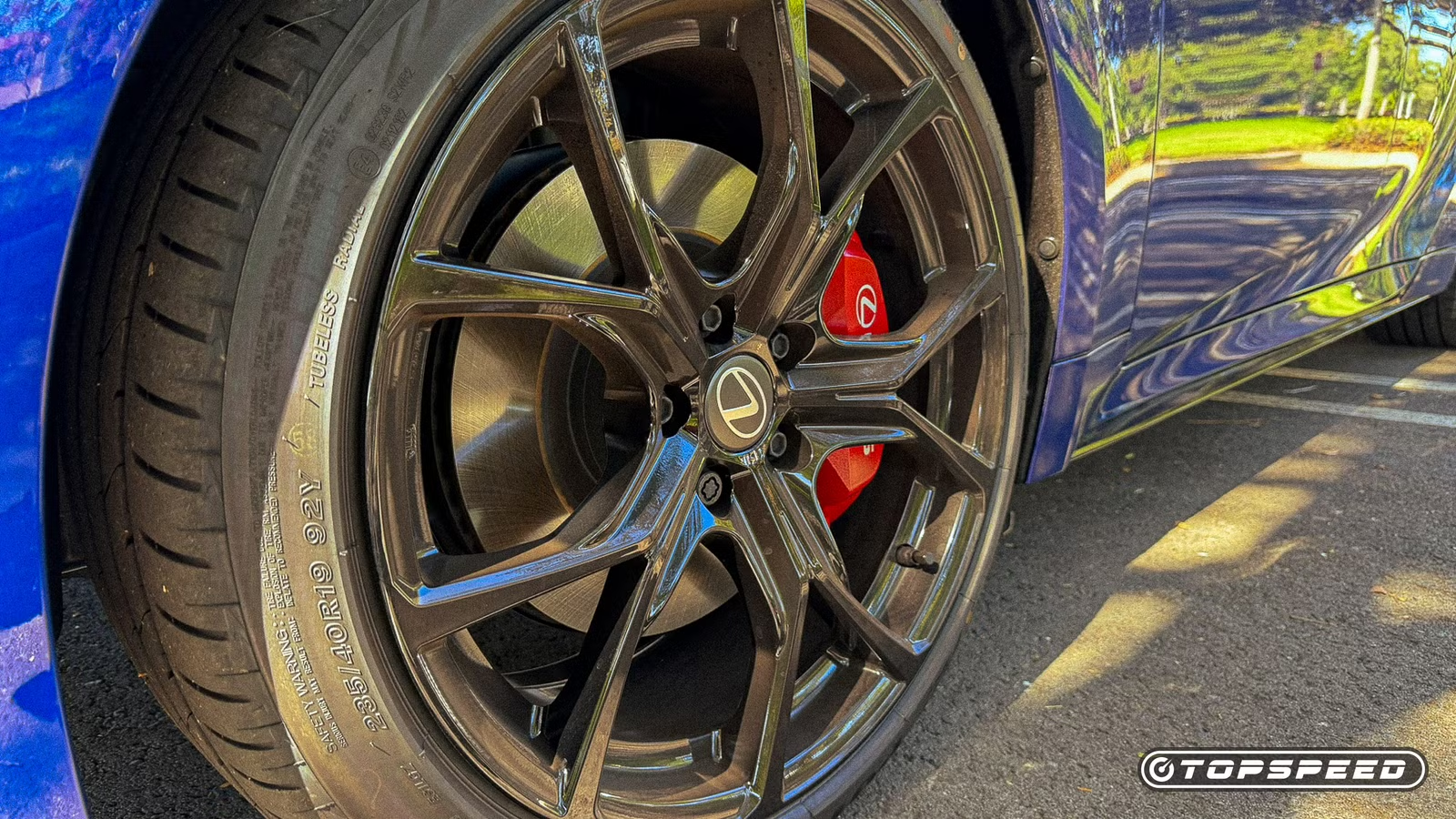
At the base level, you still get the V6 and a refined ride, but it is the IS 350 F SPORT that raises the stakes further. Beyond the V6, it adds Adaptive Variable Suspension, larger brakes, unique 19-inch wheels, performance dampers, and — on RWD models — a Torsen limited-slip differential.
None of these additions exist merely to pad the spec sheet. Combined with the rest of the package, they provide genuine driver engagement in a market that has largely drifted toward comfort and subdued road manners.
Sources: Lexus, iSeeCars, J.D. Power, and Kelley Blue Book

Related posts




Latest Post


No Comments