
The Forgotten ’90s Sports Coupe With Porsche-Tuned Suspension
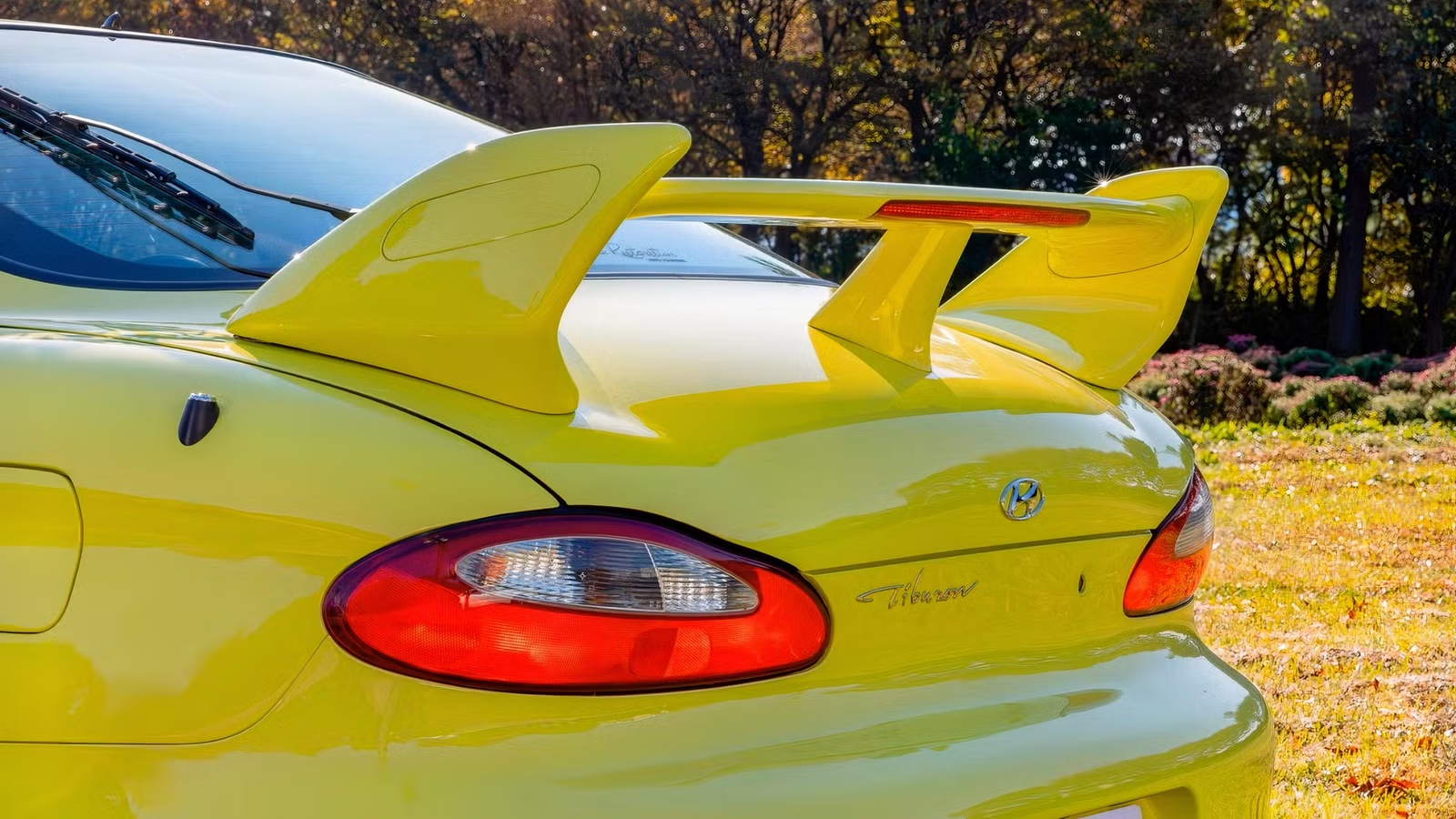
Porsche spent much of the 1990s lending its engineers to other carmakers, and the market now rewards nearly every one of those projects. The Mercedes-Benz 500E and Audi RS2 Avant are blue-chip classics, and the Porsche link is a big part of why. But one affordable sports coupe from the same decade also had Stuttgart’s help with its chassis, sold for economy-car money, and has been almost completely forgotten.
Why ’90s Sports Coupes Now Cost Collector Money
The Celica, Prelude, And Integra Aren’t Cheap Thrills Anymore

The affordable Japanese coupes of the ’90s now trade like collectibles. The extreme case is the Acura Integra Type R. A 4,800-mile 2001 example sold on Bring a Trailer for $204,204 in July 2025. That car is a near-mint outlier, but even typical 1997 Type Rs average around $45,000, nearly double their roughly $24,000 sticker price.
The rest of the class is following. A 4,900-mile 2001 Honda Prelude Type SH reached $60,000 on Bring a Trailer in June 2024, well above its $26,450 MSRP, as clean ’90s Hondas keep climbing. The Toyota Celica All-Trac Turbo now averages around $20,000 in recent sales, and pristine cars pass $50,000.
Porsche’s Engineering Fingerprints Usually Come With A Premium Price

Add Porsche to the story, and prices climb further. The 500E shares its W124 body with the humble 300E 2.6, yet recent 500E auction sales post a median of about $46,000, while Classic.com benchmarks the 300E 2.6 at roughly $6,200. The 500E’s V8 explains much of that gap, but Porsche’s role in engineering and assembling the car is central to the legend buyers pay for. The RS2 follows the same pattern and is now one of the most collectible Audis ever built. Usually, Porsche involvement means Porsche money.

The Hyundai Tiburon Had Porsche Tune Its Suspension

The first-generation Hyundai Tiburon, internally coded RD, arrived for the 1997 model year to replace the Scoupe. The base car started at $13,499 with a 1.8-liter four-cylinder, while the better-equipped FX started at $14,899 with a 2.0-liter. Europe knew it as the Hyundai Coupe, and one British used-car guide later called it the first genuinely desirable Korean car.
How Porsche Tuned The MacPherson Strut And Dual-Link Rear
Hyundai’s own heritage archive states that the Tiburon’s MacPherson strut suspension was developed in collaboration with Porsche. Period coverage from South Africa’s TopCar magazine spelled out the brief: Hyundai handed the suspension tuning to Porsche, which optimized the spring rates and damper settings of the strut front and dual-link rear to sharpen handling without ruining the ride. The hardware itself was shared with the Elantra. UK buyer’s guide Parkers credits the setup with strong grip and stable cornering, though it notes plenty of body roll.
Why The Porsche Connection Never Became A Selling Point In America

In the US, Hyundai’s Tiburon launch messaging said only that the chassis was sport-tuned. American reviewers praised the handling without mentioning Stuttgart, and Cars.com found the FX felt neutral when pushed around Pocono Raceway. Australia’s Drive later observed that Hyundai was keener to point out the Porsche input than Porsche was. With no badge and no US marketing push behind it, the connection stayed buried in overseas magazine coverage.
Why 140 Horsepower Was Never The Point

For 1998, Hyundai dropped the 1.8-liter and made the 2.0-liter Beta four-cylinder standard, rated at 140 horsepower and 133 pound-feet of torque. The Tiburon FX weighed just over 2,600 pounds, and MotorWeek recorded a zero-to-60-mph time of 7.6 seconds in a 2000 model. The engine also becomes harsh and noisy near redline, and period testers agreed its power never matched the chassis. This car was always about corners, not straights.
A Concept-Car Shape That Made It To Production Almost Unchanged
The styling traces back to Hyundai’s HCD-II concept from the 1993 Chicago Auto Show. When a Tiburon show car appeared in New York in April 1996, Hyundai promised no sheet-metal changes before production. Despite persistent rumors, Pininfarina didn’t pen it; Hyundai’s American design center did. The 2000 facelift brought a new nose, standard fog lamps, and four-wheel disc brakes, while dropping the FX trim.
What It Takes To Own An RD Tiburon In 2026

Values have never recovered from depreciation. Edmunds estimates a 1997 Tiburon at roughly $2,200 to $3,500, and J.D. Power puts a 1997 FX’s high retail value near $2,500. Collector auctions barely know the car exists: Classic.com’s Tiburon tracker hasn’t logged a single first-generation sale, and its three second-generation results top out at $9,307. The hard part is finding one that’s still stock, and Australian used-car inspectors warn that these cars don’t take well to modifications.
Elantra Parts Sharing Keeps Running Costs Low

Underneath, the RD shares its platform with the Elantra of the same era, which keeps mechanical parts common. Hyundai’s parts catalog still lists genuine lower control arms for the 1997 model, and RepairPal puts Hyundai’s brand-wide average annual repair bill at $468. Australian used-car guides rate the engine, gearbox, and suspension as rugged and reliable, but buyers should check every electrical function before buying, since inspectors have flagged interior electrical failures.
The Tiburon Isn’t Fast, But It Handles Like Porsche Had A Say
Nobody buys a first-generation Tiburon for straight-line speed. The Beta four is coarse when pushed, the early cabin is dark and plain, and the Hyundai badge still costs it credibility with collectors. But those flaws are exactly why it remains cheap. For a few thousand dollars, you get a coupe whose suspension Porsche helped tune, wrapped in styling that still turns heads. The Integra Type R and its Japanese rivals have already priced themselves out of reach. The Tiburon hasn’t, at least not yet.
Sources: Hyundai, RepairPal, iSeeCars

Related posts


Latest Post


No Comments