
The Family SUV That Delivers Range Rover Comfort With Toyota Reliability
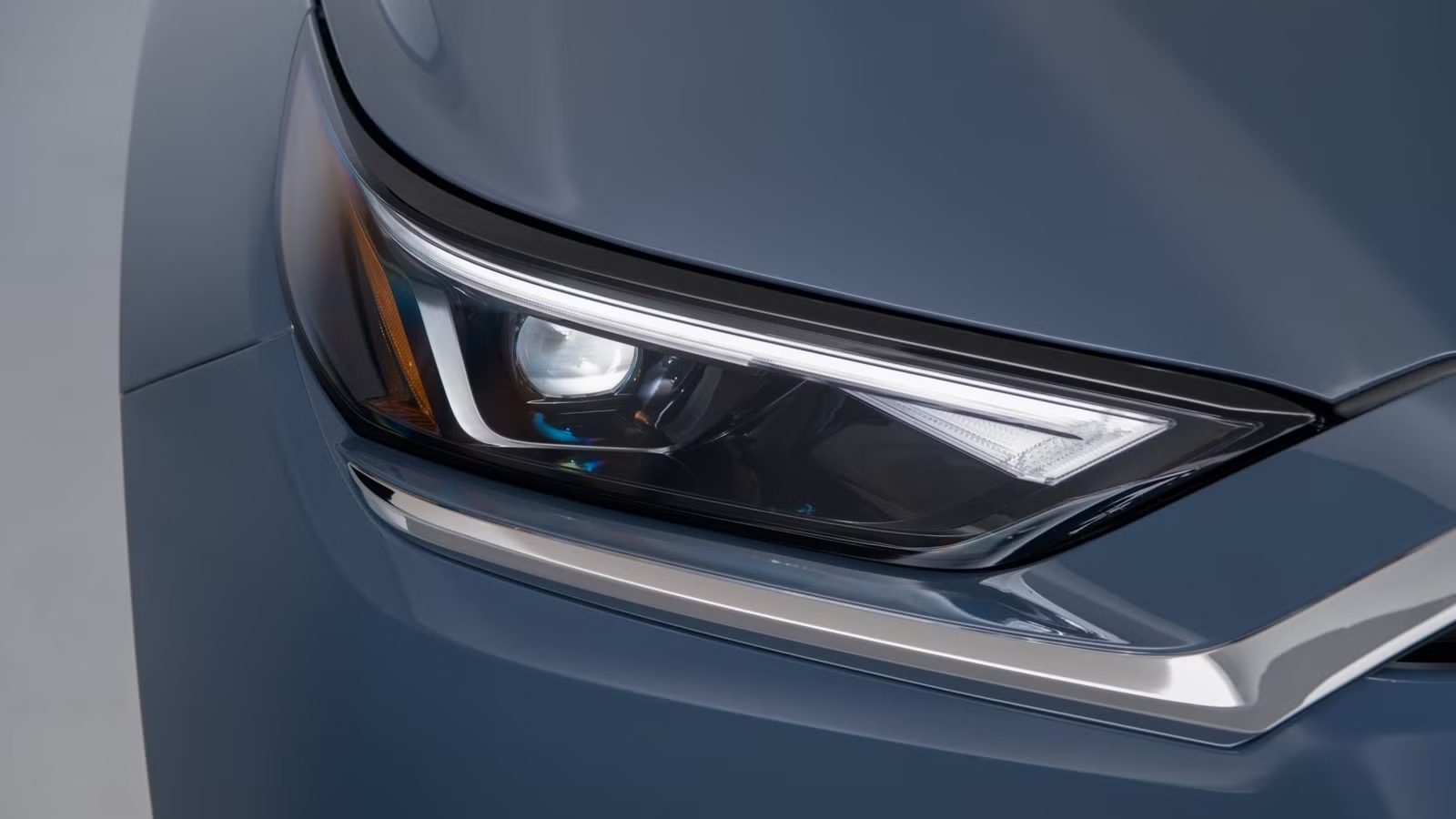
Finding a family SUV that genuinely coddles its passengers used to mean writing a six-figure check to a British automaker. Not anymore. Today’s most compelling case for attainable luxury sits in Toyota showrooms, wearing a badge more associated with dependability than opulence — yet delivering the kind of hushed, floating ride quality that Range Rover buyers pay a steep premium to experience. The trick is that this SUV pairs that serene comfort with the long-term dependability that has made Toyota a household name, keeping ownership costs firmly in the real world long after the warranty expires.
What Makes An SUV Feel Truly Premium?
Ride Quality Matters More Than Horsepower

SUVs that ride like trucks are no longer desirable. Instead, many drivers search for SUVs that share platforms with sedans and ride smoothly and comfortably like cars. This has made suspension tuning an important factor in vehicle purchases. An SUV that has excellent body control, a quiet cabin, and comfortable seats is much more enticing to families than highly capable off-roaders. For years, drivers had to turn to high-end luxury brands like Range Rover for the comfort they desired.
Long-Term Reliability Is The Ultimate Luxury Feature
When it comes down to a choice between reliability and brand prestige, smart shoppers choose reliability. Thankfully, there’s at least one SUV that reaches into premium territory while offering affordable ownership costs and impressive reliability scores. This SUV wears a recognizable badge while delivering comfort and features that feel well beyond its mainstream foundation.
Meet The Toyota Grand Highlander Hybrid Max
Why It Feels More Expensive Than It Actually Is

The Toyota Grand Highlander is available with a choice of three powertrains, but the most powerful and impressive is the Hybrid Max. This powertrain is offered exclusively on the top two trims — Limited and Platinum — which is a big reason the SUV feels much more expensive than it actually is when the Hybrid Max powertrain is specified.
The Limited trim builds on the XLE model with 20-inch wheels, a hands-free power liftgate, leather upholstery, ventilated front seats with driver’s-side memory settings, a heated steering wheel, heated second-row seats, a full digital instrument panel, ambient interior lighting, an 11-speaker JBL sound system, and front and rear parking sensors with automatic braking. The Platinum trim goes even further by adding a panoramic sunroof, leather and synthetic suede upholstery, ventilated second-row seats, a head-up display, a digital rearview mirror, a 360-degree parking camera, and Traffic Jam Assist.
These features are the kind you’d expect to find on most luxury SUVs. Thankfully, the Hybrid Max Grand Highlander trims don’t reach luxury pricing levels. The Limited trim carries an MSRP of $56,090 while the Platinum costs $60,175.
The Hybrid Max Powertrain Delivers Impressive Performance

The Hybrid Max powertrain combines the best aspects of the other two systems. It pairs a 2.4-liter turbocharged four-cylinder engine with an electric motor, producing 362 horsepower and 400 pound-feet of torque. That output is routed through a six-speed automatic transmission to all four wheels, enabling a tow rating of up to 5,000 pounds and fuel economy of 26 city/27 highway mpg. The Grand Highlander also sprints to 60 mph in just 5.6 seconds — genuinely quick for a three-row midsize SUV.
Where It Rivals A Range Rover
Interior Comfort That Punches Above Its Price

The Range Rover comes in two wheelbase lengths, with the standard model offering only two rows of seats. Since the Grand Highlander is a three-row SUV, the fairest comparison is the long-wheelbase version.
The Range Rover LWB has 39.9 inches of legroom and 39.3 inches of headroom in the front row, 48.0 inches of legroom and 38.5 inches of headroom in the second row, and 35.8 inches of legroom and 38.5 inches of headroom in the third row. It also has 8.7 cubic feet of cargo space behind the rearmost seats.
The 2026 Toyota Grand Highlander Hybrid Max offers 40 inches of headroom and 41.7 inches of legroom in the front row, 38.5 inches of headroom and 39.5 inches of legroom in the second row, and 37.2 inches of headroom and 33.5 inches of legroom in the third row. It also provides 20.6 cubic feet of cargo room behind the third row.
The Range Rover LWB has significantly more passenger space in the second row and slightly more in the third, but you sacrifice cargo capacity — a critical consideration for families. The Range Rover also starts at $120,700, roughly double the Grand Highlander Hybrid Max’s asking price. Whether that added mid-row comfort is worth the cost is a question every buyer has to answer for themselves.
Why Our Test Drive Proves The Grand Highlander Hybrid Max Is A Genuine Premium Contender

Our team had the opportunity to test drive the Highlander Hybrid Max, and we noted its added space and second-row comfort — a benefit of the Grand’s stretched dimensions over the standard Highlander, as well as the standard second-row captain’s chairs and sunroof that open up the cabin for a more airy feel. The best materials Toyota deploys on its mainstream models are present, with rich leather, large screens, and most of the convenience features that are optional on lesser trims all included in our Platinum Hybrid Max tester.
Despite the added weight of the hybrid system, our tester’s suspension remained unruffled over rough pavement and made little fuss over a couple of freeway runs. There’s nothing to fault the hybrid system on, but don’t expect fireworks from the relatively high horsepower and torque figures. The 0–60 mph time is more than respectable in a vehicle of this size and weight, and reaching freeway speed is effortless, as is overtaking slower traffic.
Why Toyota Still Wins The Ownership Battle
Proven Hybrid Technology Reduces Long-Term Stress

In a recent J.D. Power Vehicle Dependability Study, Toyota ranked fourth among all brands, with only Lexus, Buick, and Mazda placing higher. Land Rover ranked much closer to the bottom, edging out only Audi, Jeep, Chrysler, and Volkswagen.
Despite the Hybrid Max powertrain having more components than a traditional naturally aspirated engine, its expected maintenance costs are lower than those of a comparable European luxury rival. The Grand Highlander is relatively new to the market, so long-term repair data is still limited. The Toyota Highlander averages about $489 per year in repair costs, suggesting the Grand Highlander will land somewhat higher. By comparison, the Range Rover carries an average annual repair cost of $1,258 — significantly more.
Better Resale Value Helps Offset The Purchase Price

CarEdge anticipates depreciation of only around 30 percent over five years for the Grand Highlander. By comparison, the Land Rover Range Rover is a significant negative-equity purchase, with a projected 74 percent depreciation rate over the same period. That gap allows the Grand Highlander to hold its value and command a stronger resale price — an important advantage for owners who plan to trade into a new model every few years.
Sources: Toyota, Kelley Blue Book, Edmunds, Land Rover, J.D. Power, RepairPal, CarEdge

Related posts



Latest Post


No Comments