-
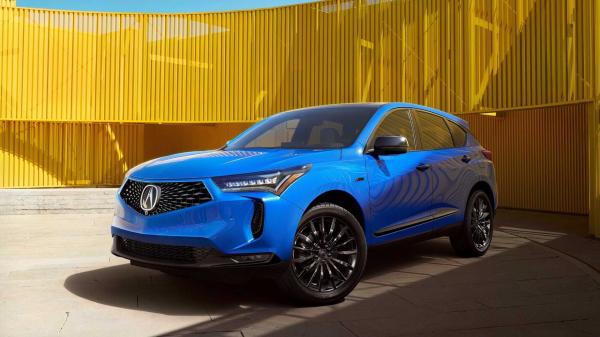
Front 3/4 shot of 2022 Acura RDX parked Acura -
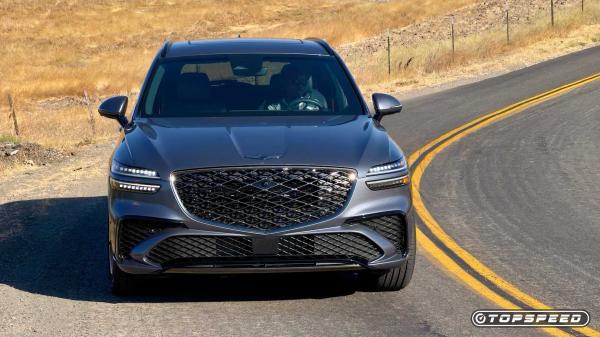
2026 Genesis GV70 3.5T Sport Prestige AWD Lyndon Conrad Bell | TopSpeed

The European SUV Nobody Recommends That Still Runs At 250,000 Miles
7 minutes reading
Monday, 2 Nov 2026 01:00 0 9 autotech
In a segment where buyers are constantly torn between European driving character and Japanese long-term dependability, this Scandinavian keeps making a quiet, compelling case for itself. Most shoppers walk into a dealership already anchored to a shortlist of familiar badges — BMW, Audi, Lexus, Acura — and it rarely makes the cut, not because it falls short, but because it simply doesn’t shout. That’s a shame, because this European compact luxury SUV may be the most balanced answer to a question buyers have been wrestling with for years: can you have European refinement without the European repair anxiety?
The Compact Luxury SUV Segment Is Highly Contested

195 autotech
The compact luxury SUV segment is a highly crowded place today, and there’s a good reason for that. The segment offers a terrific balance of the versatility of an SUV without the heft of larger models, along with plenty of luxury and creature comforts to make driving comfortable and entertaining. Add to that the reliability factor, and you have a compact luxury SUV that can do most things while keeping you comfortable and lasting for years. But there are so many options to choose from.
For the most part, buyers tend to gravitate toward the more popular options. If reliability is the priority, the obvious choices are the Acura RDX and Lexus NX, where Honda and Toyota’s reputations for dependability carry enormous weight. For those seeking driving dynamics, the German manufacturers deliver some outstanding options, including the Porsche Macan, BMW X3, and Mercedes-Benz GLC-Class.
Between these Japanese and German models, it’s easy for genuinely strong alternatives to fly under the radar — think Lincoln Corsair or Genesis GV70. But, there’s one more compact luxury SUV that fits that description, and it’s the one most buyers overlook entirely. This European SUV delivers a mature, polished package with long-term reliability and a beautifully crafted interior. We’re talking about the 2026 Volvo XC60.

43 autotech
The 2026 Volvo XC60 Is A Long-Lasting SUV

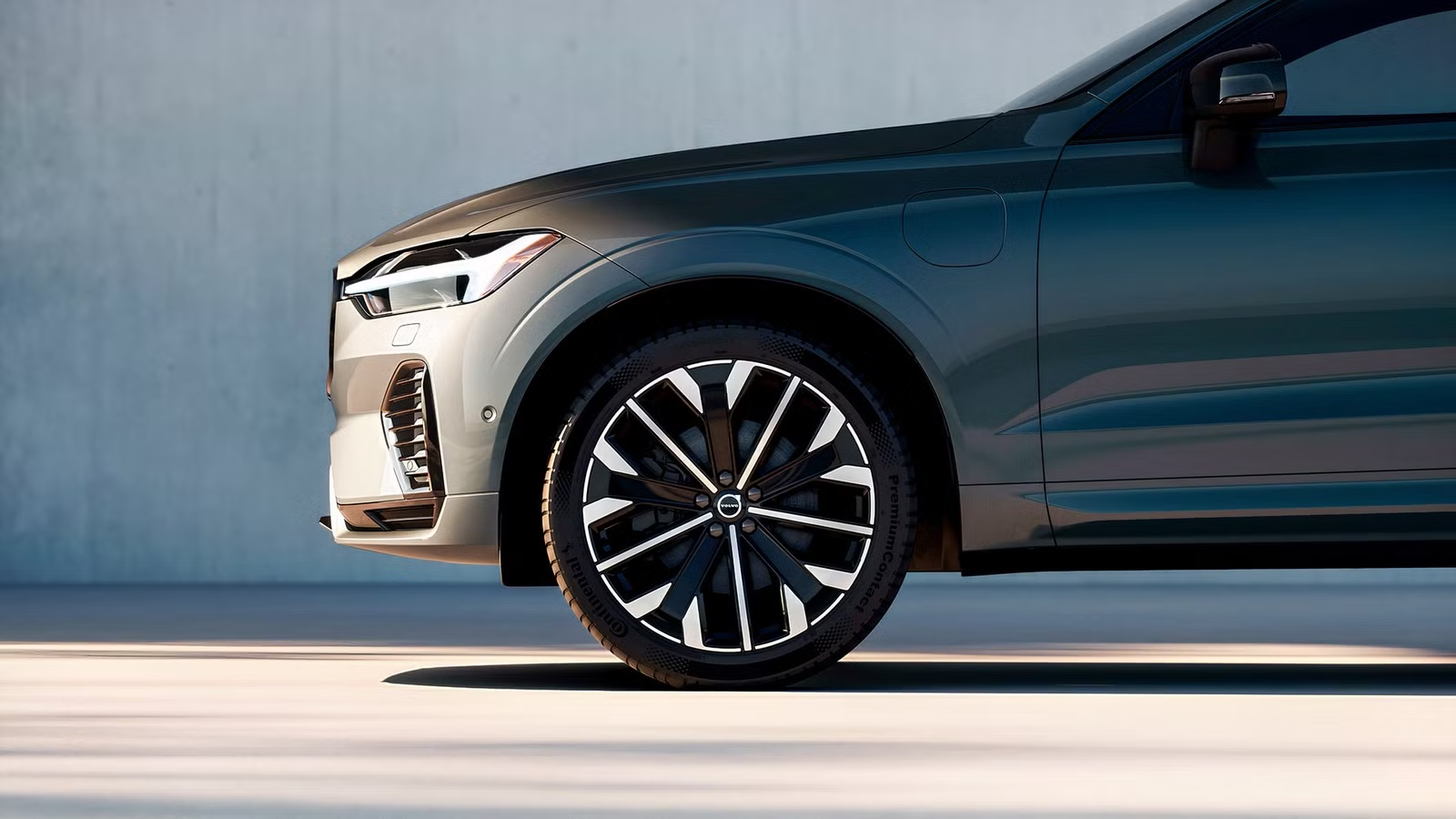
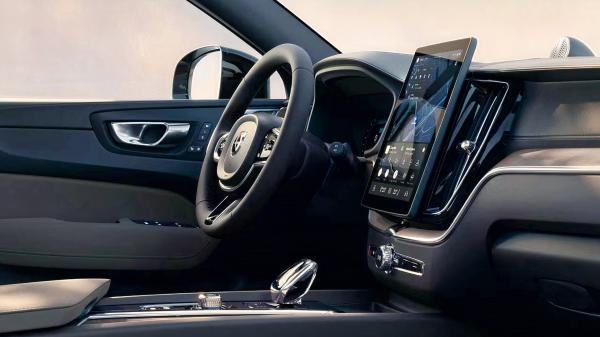
The Volvo XC60 is a well-established name in the compact luxury SUV segment, and it’s unlike anything else on the market. You get all the modern hallmarks of a Volvo, including the Thor’s Hammer headlamps, diagonal motif on the grille, and a clean interior that offers generous space and carefully crafted materials throughout.
The XC60 draws power from a 2.0-liter turbocharged four-cylinder engine paired with a mild hybrid system. For 2026, it only gets better with a larger infotainment display. And with proper care, it promises to stay on the road for a very long time. Still, if the XC60 checks so many rational luxury-SUV boxes, the real mystery is why so many buyers continue to walk past it.
Why The XC60 Gets Ignored Even Though It Blends German Refinement With Japanese-Like Dependability
As good as the Volvo XC60 is, it remains underrated. It competes in a crowded segment dominated by flashier German rivals like the BMW X3 and Audi Q5, while buyers prioritizing reliability tend to default to Japanese alternatives. The Volvo XC60 sits somewhere in the middle, trading aggressive sporty dynamics for class-leading luxury and understated elegance. Given the chance, the XC60 can genuinely surprise you. That surprise starts on the road, where the XC60 does not try to out-BMW a BMW but still delivers the kind of confidence luxury buyers expect.
Why XC60 Owners Can Get European Road Manners Without German-SUV Repair Anxiety

The XC60 is powered by a 2.0-liter turbocharged four-cylinder engine that uses a 48-volt mild hybrid system to produce 247 horsepower and 266 pound-feet of torque. This gives the SUV a 0-to-60 mph time of 6.5 seconds — a full second slower than the Audi Q5 and Mercedes-Benz GLC-Class. Still, that performance is more than adequate for most drivers, and the XC60 compensates with solid fuel economy. The EPA rates the XC60 at 26 miles per gallon combined. Power reaches all four wheels through an eight-speed automatic transmission.
A similar story plays out when it comes to handling. The XC60 isn’t as sporty as the BMW X3 or the Porsche Macan, but it isn’t too soft, either. It’s praised for precise cornering and a well-planted chassis, with a ride quality tuned more toward comfort than outright athleticism. Expect the XC60 to feel confident on the road, not aggressive. The top-tier XC60 Ultra trim is available with optional Active air suspension, which sharpens the handling picture further. But the bigger XC60 story is not how it handles a corner — it is how long it can keep doing that without turning into the kind of repair headache many shoppers fear from European SUVs.
Why The XC60 Has A Real Shot At 250,000 Miles While German Rivals Cost More To Keep Alive

Another arrow in the XC60’s quiver is its reliability. It earns a J.D. Power quality and reliability rating of 74 out of 100, and iSeeCars gives it a reliability score of 8.4 out of 10. While it may still trail Japanese rivals, it offers better reliability than its European competitors. iSeeCars also estimates an average lifecycle of 13.3 years or 155,021 miles. According to iSeeCars data, the Volvo XC60 has a 17.2 percent chance of reaching at least 200,000 miles, compared with 4.8 percent for the BMW X3 and 4.1 percent for the Audi Q5. That gives the XC60 a stronger long-mileage case than two of its most obvious German rivals, even if real-world durability still depends heavily on maintenance history, driving conditions, and previous ownership care. But the XC60’s real surprise is not just that it can last — it is how little it costs to keep running compared to what most people assume about European maintenance.
How The XC60 Undercuts BMW And Mercedes On Annual Maintenance Costs
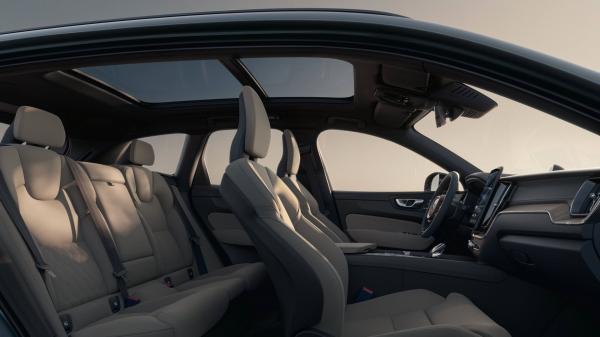
According to CarEdge, the Volvo XC60 will cost $12,995 for maintenance and repairs during the first 10 years of ownership, which beats the average for luxury SUVs by $1,400. Likewise, the probability of the XC60 needing major repairs during that same period is 37.44 percent — 3.65 percent lower than similar vehicles.
CarEdge Five-Year Ownership Cost Estimates
|
Depreciation |
$28,423 |
|
Insurance |
$11,755 |
|
Fuel |
$9,240 |
|
Interest |
$8,730 |
|
Maintenance |
$4,079 |
|
Total |
$62,227 |
According to RepairPal, the Volvo XC60’s annual maintenance cost sits at $746. Compared to the BMW X3 ($1,034/year) and Mercedes-Benz GLC ($1,039/year), the XC60 is the most affordable of the three to own year to year. Japanese luxury models from Lexus and Acura will still undercut all of the above, but the XC60 remains impressive as a European model with surprisingly low long-term running costs.
Why The $51,095 XC60 Makes More Sense Than Chasing A Pricier German Badge

The base XC60 Core starts at $51,095, with the range topping out at $61,045. Unless you want every available luxury feature, the Plus trim represents the sweet spot — a meaningful step up from the base model without pushing the price past the $60,000 mark.
For 2026, Volvo has refreshed the XC60, adding genuine value to an already strong package. The XC60 now wears a larger grille with the diagonal pattern that frames Volvo’s logo more prominently. The taillamps receive a subtle tint, and new wheel designs and paint options join the lineup. The infotainment system, as noted, is both larger and faster than before. Taken together, these updates reinforce the XC60’s position as a serious contender in the segment. And yet it remains exactly what it has always been: the elegant, composed compact luxury SUV for buyers who want European refinement without surrendering long-term peace of mind.
Source: Volvo, CarEdge, RepairPal, iSeeCars

Related posts




Latest Post


No Comments