
Why Kawasaki Builds The Most Underrated Adventure Bikes
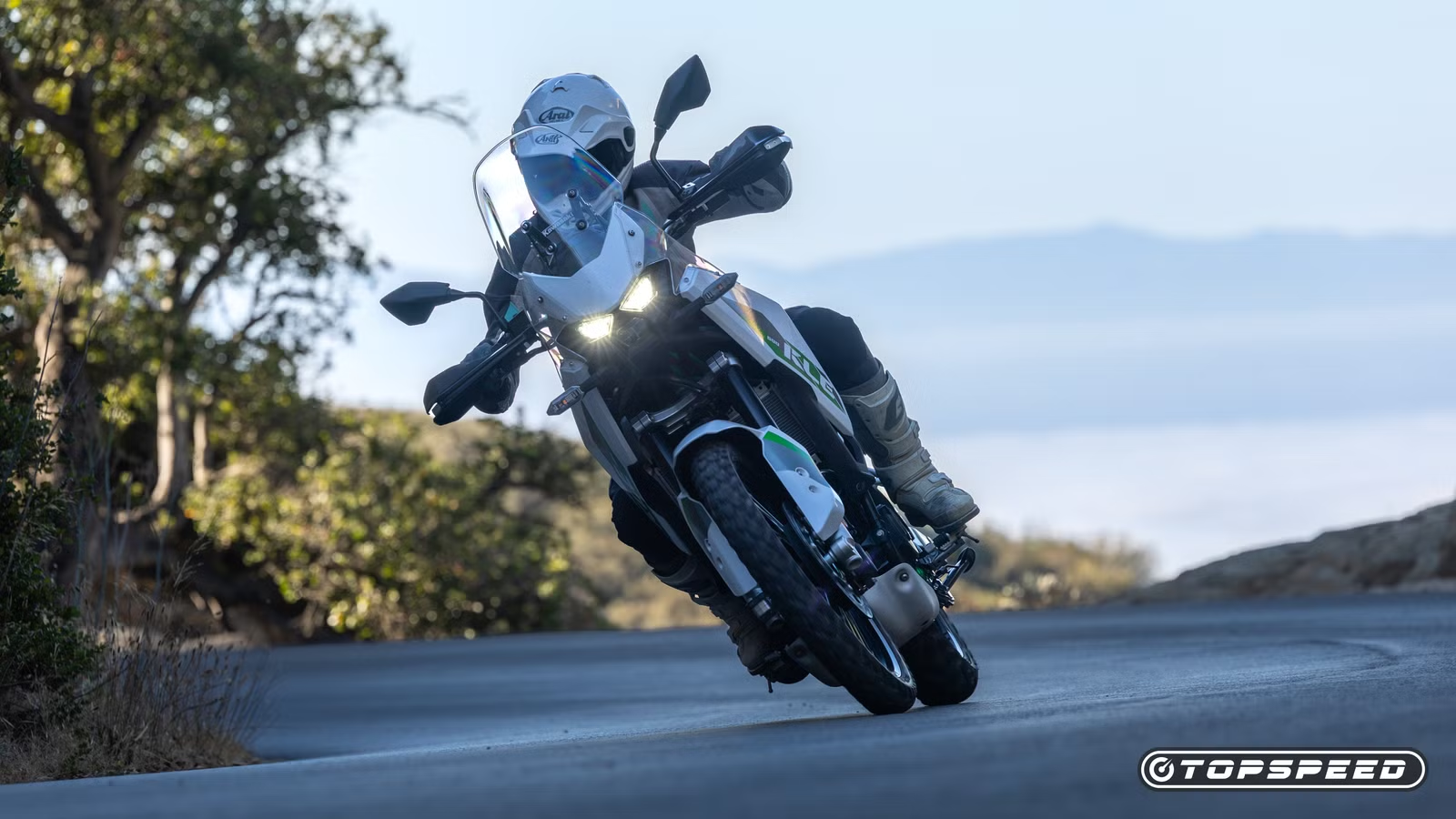
At its core, adventure motorcycling comes down to a simple formula. You need an engine that won’t gas out on the highway yet stays tractable in the dirt, underpinnings and ergonomics that keep you comfortable for hours while inspiring confidence when the ground gets loose, and just enough modern convenience to get by. Like everything else on two wheels, adventure bikes have grown wildly sophisticated. That isn’t inherently bad, though the flashiest spec sheets always steal the spotlight, while one brand— Kawasaki—quietly builds some of the most capable, underrated machines across segments.
Kawasaki Builds Adventure Bikes With Core Rider Needs In Mind

So how does Kawasaki cater to adventure riders’ needs? Primarily by checking off the core criteria from the intro. What sets Kawasaki apart starts with building motorcycles for over seven decades, giving you a massive sample size of what riders need. They pair underpinnings suited to rough ground with modular engine platforms shared across their motorcycle lineups, backed by reliability that is more than just a social construct.
That long-standing presence also translates into a stronger, well-established service network that makes ownership far less stressful. Because so much hardware is shared across models, common parts and routine consumables should be easier to source without long waits. Combine that real-world support with sensible pricing across the board, and Kawasaki manages to walk a careful line, delivering strong value without blowing past a reasonable budget.
And It Makes One For Every Kind Of Rider

The brand makes it for whatever flavor of adventure riding you prefer. Take the accessible middleweight end that plenty of riders are enticed toward, where the KLE lineup offers twin-cylinder versatility without overwhelming size or cost. On the lighter end of things, the KLX 300 XPL family increasingly blurs the line between trail bike and legitimate lightweight explorer.

Kawasaki also technically lists the Versys lineup under the adventure/touring tab on its website. However, with 17-inch street wheels, those bikes are really built for paved canyon carving rather than actual dirt work. More than any of these motorcycles, however, the best example of this underrated approach working is the KLR 650.
The KLR 650 Has Endured For Nearly 40 Years By Keeping Things Simple

And that is where this cult classic comes in, operating as the anti-tech ADV in a segment obsessed with screens and sensors. In 2026, it feels almost deliberately dated, carrying around 456 to 487 pounds of curb weight while skipping ride modes, traction control, quickshifters, electronic suspension, and even a sixth gear. That’s the whole point: there is almost nothing onboard to leave you stranded when the going gets tough.
Instead, you get a liquid-cooled 652cc DOHC single making 40 horsepower and 39.1 lb-ft of torque, a 21-inch front and 17-inch rear wheel setup, and a 6.1-gallon tank built for long stints between fuel stops. That tractor-like simplicity helped earn the platform its durable reputation. The U.S. Marine Corps even fielded KLR-based military motorcycles, including the M1030B1 and its successor, the Hayes Diversified Technologies M1030M1, a diesel-powered machine capable of running on JP-8 aviation fuel. Best of all, you get all of that for a lip-smacking starting price of $6,999.
The KLE 500 Is A Well-Rounded Middleweight That Flies Under The Radar

In a similar capacity, the KLE 500 runs the 451cc parallel-twin shared with the Ninja 500 and Eliminator, putting out 51 horsepower at 10,000 rpm and 31.7 lb-ft of torque at 7,500 rpm. Paired with a 43mm KYB inverted fork, 8.3 inches of front travel, and a 21-inch front, 17-inch rear spoked wheel setup.
So why does it fly under the radar? Part of it comes down to louder rivals like the CFMOTO Ibex 450, Royal Enfield Himalayan 450, and KTM 390 Adventure grabbing most of the attention. Against single-cylinder competitors like the Himalayan and KTM, the KLE’s parallel-twin helps keep it from feeling gassed out during sustained highway stretches. The CFMOTO Ibex 450 also runs a parallel-twin, but Kawasaki counters with a longer reliability track record and a wider dealer network.
The New KLE 650 Takes That Formula A Step Further

If 51 horsepower still feels a bit modest, Kawasaki already has an answer arriving for 2027 with the new KLE 650. It bumps displacement by nearly 200cc to a 649cc parallel-twin borrowed from the Ninja 650 and Versys 650, jumping output to 70 horsepower and 47.2 lb-ft of torque. More tech is present, too, in the form of standard electronic cruise control, traction control, and selectable ABS.
There is also an SE trim for riders who want the full factory setup right out of the crate. Stepping up to the SE adds tubeless spoked wheels, a quickshifter, a five-inch TFT display, a taller adjustable windscreen, handguards, and a larger aluminum skid plate. Underneath all that extra kit, it retains the same 21-inch front and 17-inch rear wheel sizes and long-travel suspension as the KLE 500.
Even Kawasaki’s Oddball KLX 300 XPL Blurs The Line Into Adventure Touring

This is where you really see Kawasaki leaning into the core philosophy of adventure riding. The broad KLX 300 lineup is still rooted in trail-focused dual-sport hardware, running a 292cc liquid-cooled single making 26.8 horsepower and 18.4 lb-ft of torque. Out of the four 2027 variants, the new KLX 300 XPL is easily the most adventure-focused take on the platform, adding a tall windscreen, round LED headlight, handguards, and a rear luggage carrier.
Of course, you might suffer on the interstate with 26.8 horsepower, a 2.0-gallon fuel tank, and a 35.2-inch seat height. That was never the point, though. At just 313.1 pounds wet with 10 inches of front suspension travel, 9.1 inches out back, and 21-inch front and 18-inch rear spoked wheels, the XPL trades highway comfort for lightweight backcountry capability.
Source: Kawasaki Motors Corp., U.S.A., Consumer Reports, and U.S. military surplus records.

Related posts


Latest Post


No Comments