
The Cheapest Three-Cylinder Motorcycle Today Isn’t A Triumph Or Yamaha
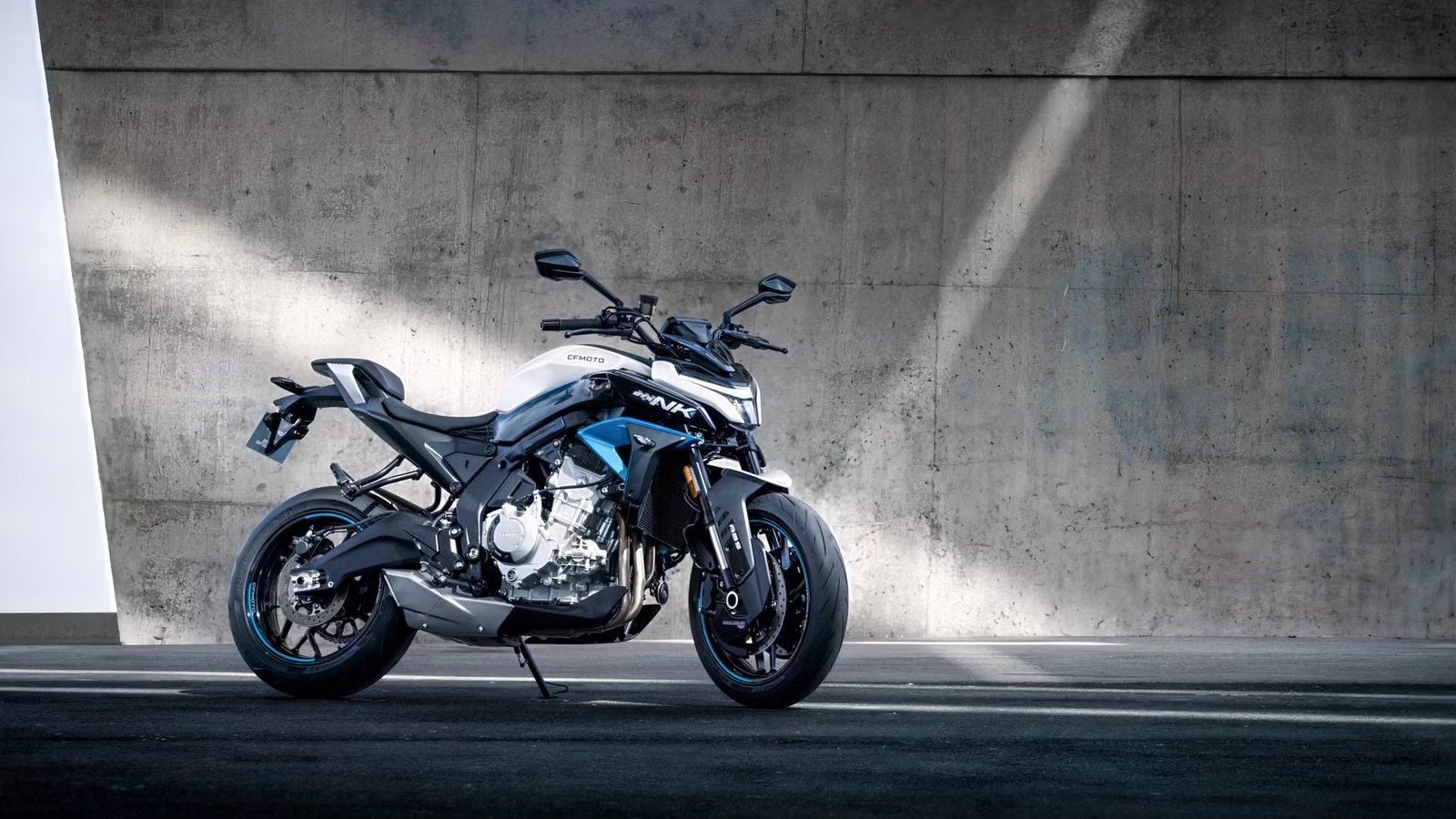
Most riders do not need a 200-horsepower motorcycle that costs a fortune to purchase and maintain. Instead, experienced street riders prioritize usable mid-range pull, mechanical feedback, and predictable chassis dynamics. Triumph capitalized on this reality for decades, building its modern identity around the three-cylinder engine. While flagship machines like the Hollywood-famous Speed Triple established the configuration’s premium reputation, Hinckley eventually relied on that fame to capture the entry-level middleweight space with bikes like the Trident 660. However, that entry-level stronghold has finally been cracked by a challenger built to undercut it directly.
Inline-Triple Engines Come With The Hinckley Premium

The three-cylinder engine was not always an exclusive European signature. Back in the 1970s, Kawasaki dominated performance conversations with wild two-stroke triples like the H1 Mach III and H2 750, proving early on how potent the layout could be. But as modern four-stroke designs took over, the Japanese factories walked away from the concept entirely because triples required complex crankshaft machining, precise balancing, and extra counterbalancers that made mass production expensive. So anyone shopping for a midweight naked bike today is usually stuck choosing between sensible parallel twins or paying a premium for Triumph’s triple-cylinder lineup.
But Changing Trends Can Help Get A Triple For Cheaper

The enduring appeal of the inline triple comes down to plain engine physics. Its 120-degree crank design blends the low-end pulling power of a twin with the smooth, high-RPM rev range of an inline-four, giving you strong drive out of tight mountain switchbacks without needing to constantly dance on the gearshift lever. That’s why the industry is starting to circle back to this balance. Honda is currently developing a new V3 layout, while CFMoto has carved up its own inline-triple lineup. It’s the latter that beats Triumph at its own game by offering impressive inline-triple performance without a premium over twin-cylinder bikes.
The CFMoto 675NK Cracks The Sub-$7,000 Triple Ceiling

The CFMoto 675NK has a new sub-$7k MSRP, and it officially takes the title of the most affordable three-cylinder motorcycle on the market. That directly undercuts Triumph’s entry triple, the Trident 660. This isn’t some tame, upright commuter, either. CFMoto has delivered an aggressive streetfighter sharing the mechanical foundation of its supersport sibling that offers more than its price suggests. It avoids typical budget compromises by packing fully adjustable KYB suspension, radial-mount J.Juan four-piston calipers, an upshift quickshifter, and wide, tapered handlebars that deliver effortless steering leverage through chicanes and daily traffic alike.
The 95-Horsepower Triple Punches Well Above Its Price Tag

The 675NK’s powerplant makes it one of the most powerful naked bikes under $10,000. This is a 675 cc inline three-cylinder engine with a short-stroke architecture. It generates 95 horsepower at 11,000 RPM and 51.6 pound-feet of torque at 8,250 RPM and runs through a six-speed transmission paired with an assist and slipper clutch and an upshift quickshifter. One ownership factor to consider if you log high commuting mileage: recommended engine oil change intervals sit at 3,000 miles, whereas European competitors typically stretch out to 10,000 miles.
Fully Adjustable KYB Suspension Sweetens The Experience

Here, too, the 675NK punches above its price tag. It uses a high-strength chromoly steel tubular frame mated to an aluminum gullwing swingarm, keeping curb weight down to a flickable 416 pounds. This is paired with fully adjustable KYB suspension: a 41 mm inverted front fork with preload, compression, and rebound damping adjustments, and a preload/rebound-adjustable rear monoshock. Uniquely for this price point, CFMoto also equips the bike with a 22-click adjustable steering damper as standard equipment.
It has serious brakes as well. J.Juan supplies the twin 300 mm front discs and radial four-piston fixed calipers, and the 240 mm rear disc with the single-piston caliper. 17-inch alloy wheels and tubeless radial tires help with agility. This is a fun-sized motorcycle, at 79.5 inches long and 33.4 inches wide with a 55.1-inch wheelbase. The seat height is 31.8 inches, and it has a fuel capacity of 3.9 gallons. CFMoto quotes a curb weight of 416 pounds, which makes it a little lighter than the Triumph.
OTA Connectivity And A Curved 5-Inch TFT Defy Entry-Level Assumptions

As with any other CFMoto product, the 675NK gives riders more than they pay for and can receive over-the-air updates. Its curved 5-inch TFT display has not only Bluetooth and navigation, but also Wi-Fi connectivity. It provides all-LED lighting, tire pressure monitoring, and both USB Type-A and Type-C charging ports that offer 18 W of power.
The electronics consist of dual-channel ABS, adjustable traction control that can be switched off, and an upshift-only quickshifter. It is offered in two colors: white or grey, and has a two-year, unlimited-mile warranty. There are other items unique to the class, like the air scoops for the front brake calipers. The options list includes CNC-machined levers, rear seat cowls, a low seat, and engine guards.
The Triumph Is More Expensive – But Also Offers More Electronic Features

The cheapest Triumph triple is the $8,745 Trident 660, creating an immediate $1,746 gap against the 675NK. The Trident has been updated for 2026, and for that extra cash, Hinckley provides ride-by-wire throttle mapping with selectable riding modes, standard electronic cruise control, a six-axis IMU enabling cornering ABS and cornering traction control, and longer 10,000-mile service intervals. However, the Trident has slightly less power and is a little heavier.
In essence, the choice between the CFMoto and the Triumph comes down to electronic refinement and commuter polish versus better performance and superior adjustable chassis hardware. For riders wanting maximum backroad punch and canyon agility per dollar, the upfront savings on the 675NK make an exceptionally compelling case. Just make sure there’s a CFMoto dealer nearby should you encounter any issues.
Source: CFMoto USA

Related posts





Latest Post


No Comments