
Bentley Torcal Teased As The Marque’s First-Ever Electric Car—Here’s What We Know
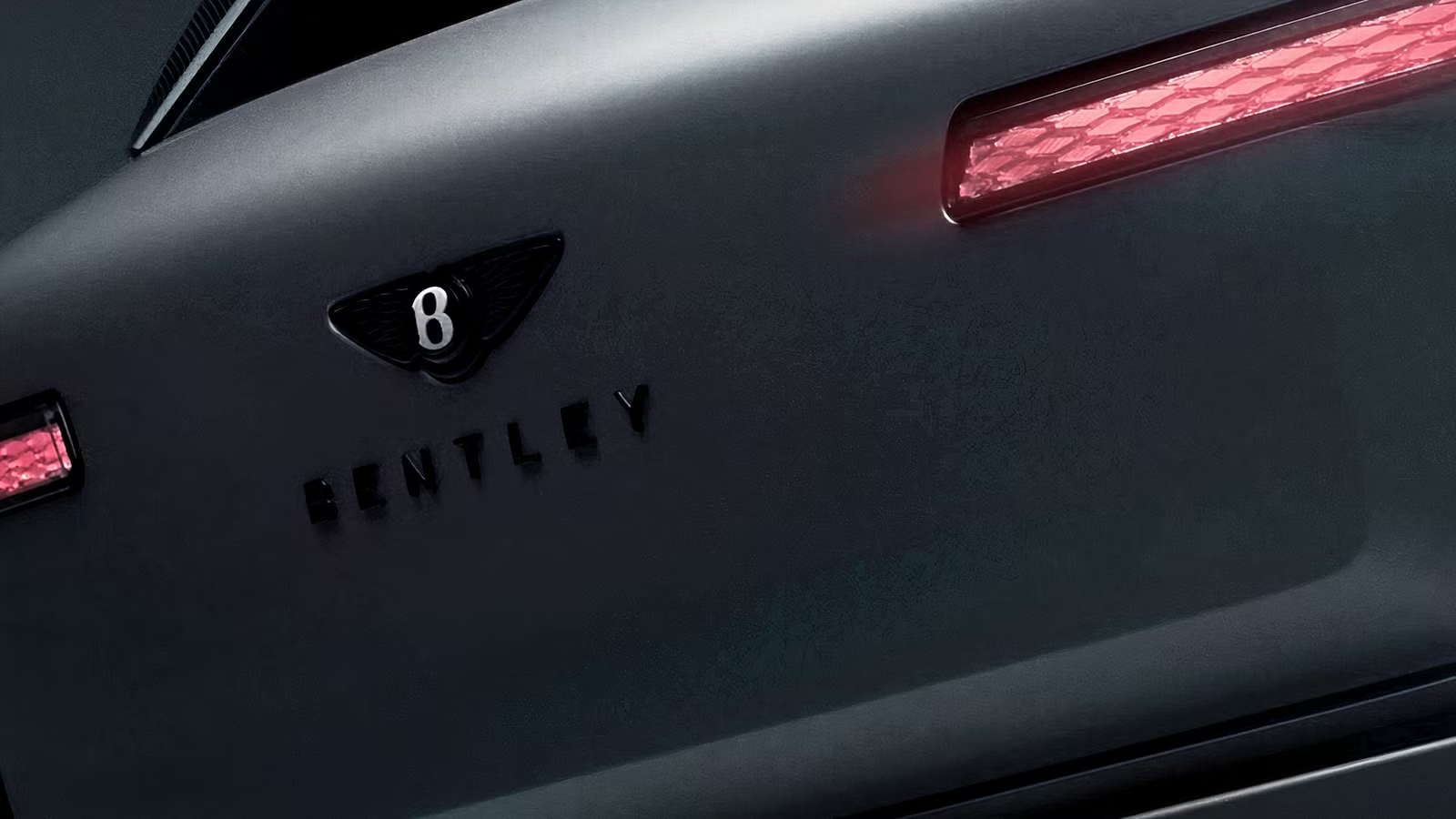
Bentley has officially named its first fully electric vehicle, and it’s called the Torcal. Teased today and slated for a full debut on September 23, 2026, the Torcal represents the most consequential step Crewe has taken in decades—a deliberate pivot away from the hand-built combustion engines that have defined the marque since its founding.

The name follows Bentley’s modern tradition of drawing inspiration from extraordinary natural landscapes, and early teaser imagery confirms the Torcal will be an SUV—putting it in direct competition with the Rolls-Royce Cullinan and Lamborghini Urus Electric in the ultra-luxury electric SUV space. For a brand whose identity has been built on the W12 engine’s effortless, wave-like torque delivery, the Torcal signals something genuinely new.
What The Teaser Reveals About Design And Positioning
Bentley has been deliberate about what it’s shown so far. The teaser imagery points to a large, imposing SUV silhouette—not a sleek sedan or crossover coupe—which makes sense given that the Bentayga has been the brand’s best-selling model for several consecutive years. Building its EV debut around a proven body style reduces risk while speaking directly to the buyers who already exist in Bentley’s client base.

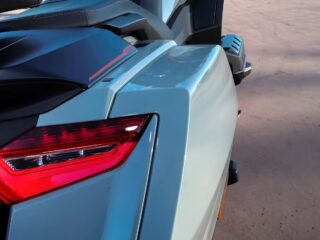
Design language in the teasers suggests continuity with current Bentley aesthetics: the broad, upright front end, the signature matrix grille treatment, and the muscular rear haunches that characterize the Bentayga are all visible threads. Bentley appears to be signaling that the Torcal won’t look like a departure from the outside—the transformation is under the skin. The full reveal on September 23 will confirm powertrain specs, range figures, and interior details, none of which Bentley has officially disclosed at this stage.
Bentley Eyes Supercar Performance For Future Model
Bentley’s future plans involve leaning on its sporting credentials.
The Weight of What Bentley Is Leaving Behind
To understand why the Torcal matters, you have to understand what it’s replacing. The 6.0-liter twin-turbocharged W12 — an engine Bentley has refined and carried across the Continental GT, Flying Spur, and Bentayga for over two decades — is not just a powertrain. It’s the sensory core of the ownership experience. The low-frequency thunder at idle, the seamless surge past 100 mph, the mechanical intimacy of a hand-assembled engine: these are the things Bentley’s core clientele has paid six figures for, repeatedly.
An electric SUV, however refined, delivers something categorically different. Instant torque is impressive, but it doesn’t replicate the W12’s character. Bentley knows this, which is likely why the Torcal’s positioning emphasizes the brand’s broader luxury credentials—craftsmanship, materials, exclusivity—rather than leading with performance numbers it hasn’t yet published. The emotional stakes here are real, and Bentley’s messaging so far has been careful not to oversell the transition.
How This Compares To Range Rover’s EV Pivot—And What It Means For Bentley’s Lineup
Range Rover’s move toward electrification offers a useful reference point. When Land Rover introduced the plug-in hybrid Range Rover and signaled a full EV was coming, the initial reaction from loyalists was skepticism—the same kind Bentley is already fielding. Yet Range Rover’s EV pivot ultimately reinforced rather than diluted the brand’s luxury positioning, partly because it kept the visual and experiential DNA intact while updating the drivetrain. Bentley appears to be following a similar playbook.
The broader Bentley lineup context matters here too. The W12 is already winding down—the Continental GT Speed W12 was positioned as a farewell to the engine in its current form—and Bentley has been progressively hybridizing its range. The Torcal isn’t arriving in a vacuum; it’s the culmination of a transition that’s been underway for several years. What remains to be seen is whether Bentley retains a combustion or hybrid option in its lineup alongside the Torcal, or whether the brand is committing to a fully electric future on a defined timeline. The September 23 reveal should answer some of those questions.
For Bentley loyalists, the Torcal will demand an open mind. For the brand itself, it represents a calculated bet that luxury—real luxury, defined by materials, silence, and craftsmanship—can translate to an electric platform without losing what made Bentley worth buying in the first place. September 23 is the moment that argument either begins to land, or doesn’t.

Related posts


Latest Post


No Comments