
The Cheaper Accord That Lets Highway Drivers Skip A 9-Year Hybrid Payback
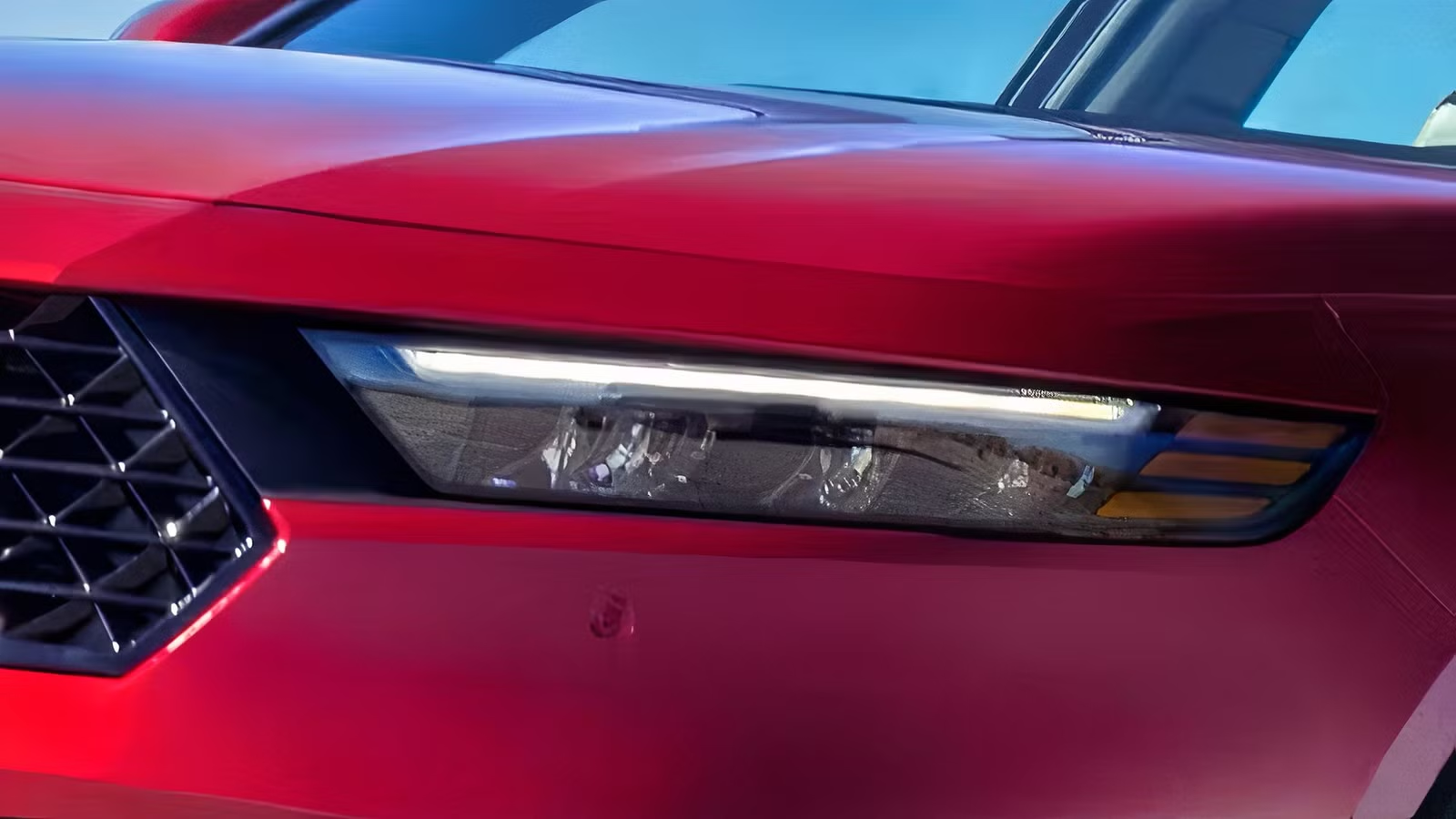
Nowadays, every commuter looking for a new car faces the same recurring financial dilemma: Is it worth spending more on a hybrid that gets better gas mileage, even if it has a significantly higher purchase price than a gasoline-only model? Not always. Recent real-world highway testing found that a conventional gas-powered midsize sedan could outperform its hybrid counterpart at a steady 75 mph. The Toyota Camry, one of the bestselling sedans in the U.S., is now available exclusively as a hybrid, leaving shoppers with fewer powertrain options. What works best depends on your actual driving habits, not just the advertised combined mpg.
Hybrid Efficiency Doesn’t Always Translate To Highway Savings

While hybrids are designed primarily to improve fuel efficiency, their advantages depend on how they’re driven rather than just what their advertised figures suggest.
Steady Highway Speeds Can Change The Fuel-Economy Equation

Hybrids truly shine in the city and in stop-and-go traffic, where electric assistance and regenerative braking can reduce the engine’s workload. Yet, at sustained highway speeds with few braking events, those advantages diminish because the gasoline engine does most of the work.
A recent real-world 75-mph test demonstrated that a conventional gas sedan achieved 40 mpg, while its hybrid counterpart managed just 36 mpg. This doesn’t guarantee that every make and model will deliver the same results, but it demonstrates that fuel efficiency goes much deeper than advertised mpg figures.
A Hybrid Premium Can Take Years To Recover


For a more expensive hybrid to make financial sense, its long-term fuel savings must offset the higher upfront purchase price before it becomes the cheaper option overall. According to Consumer Reports, certain hybrid models can have payback periods of roughly nine years before their fuel savings make up for the initial price difference.
Many buyers, however, sell their cars well before then. Annual mileage, fuel prices, and driving conditions all play significant roles in determining the actual payback period. Buyers should therefore look beyond the advertised fuel economy and consider purchase prices alongside real-world mpg results before automatically assuming a hybrid is the better choice.
The Gas-Powered Honda Accord Is The Cheaper Highway Alternative

The conventional midsize sedan that delivers better highway fuel economy than its hybrid counterpart is none other than the 2026 Honda Accord.
The Accord LX Saves Thousands Upfront
The Accord maintains a split lineup, offering a 192-horsepower, 1.5-liter turbocharged inline-four gasoline engine and a 204-horsepower, 2.0-liter inline-four hybrid system. The base LX starts at $28,395, while the entry-level Sport Hybrid starts at $33,795, a $5,400 difference. That’s a significant price gap that could take years to recover through fuel savings alone.
For comparison, the 2027 Toyota Camry LE FWD produces 225 horsepower and starts at $29,700, while the 232-horsepower AWD variant starts at $31,225. The Camry’s advertised fuel economy varies by trim, but the LE FWD is rated at 49 mpg on the highway and 51 mpg combined.
Real-World Highway Testing Gives The Gas Accord An Edge

The real kicker is that the gas-powered Accord has the lowest starting price among these options while also returning better highway fuel economy than its hybrid counterpart in real-world testing. In the 75-mph test, the gas-only Accord returned 40 mpg, while the hybrid managed just 36 mpg. A Toyota Camry AWD was also included in the test, returning 43 mpg.
These results are particularly relevant to commuters who spend most of their time on the highway. The hybrid remains better suited to many urban driving conditions and stop-and-go traffic, but the gas-powered Accord’s combination of a lower purchase price and strong highway efficiency makes a compelling case for value-conscious buyers.
The Cheaper Accord Doesn’t Sacrifice Everyday Practicality

Highway fuel economy and purchase price are only part of the ownership equation. The Accord also delivers the functionality that makes a midsize sedan practical for daily commuting and longer journeys.
A Spacious Cabin And Large Trunk Suit Long-Distance Drivers
The 2026 Honda Accord is sleek and stylish, but it doesn’t sacrifice everyday usability to achieve its looks. The Accord offers a 16.7-cubic-foot trunk and 40.8 inches of rear legroom, compared with the Camry’s 15.1-cubic-foot trunk and 38.0 inches of rear legroom. That’s approximately 10.6 percent more trunk volume, enough to make a difference when packing for a trip. Meanwhile, the 2.8-inch difference in rear legroom can improve passenger comfort and provide additional flexibility when accommodating child seats.
The Gas Engine Trades Hybrid Refinement For A Lower Entry Price

The gas Accord’s 192-horsepower turbocharged four-cylinder engine provides more than enough oomph for daily driving, although its reported 0-to-60-mph time of 7.9 seconds is slower than the hybrid’s 6.6 seconds. In certain situations, the hybrid therefore offers both better fuel economy and quicker acceleration.
The turbocharged engine also introduces its own maintenance considerations, and a lower purchase price doesn’t necessarily mean lower maintenance costs over the vehicle’s lifetime. However, if your commute consists primarily of sustained highway driving, the conventional Accord makes a compelling case for both value and efficiency.
Highway Commuters Should Calculate Their Own Hybrid Payback

How you actually use your car is the biggest determining factor in whether the gas-powered Accord’s financial advantages make sense for you.
Annual Mileage Determines The Real Savings
Using these real-world highway fuel-economy results for 15,000 miles of annual highway driving, the gas Accord would consume approximately 375 gallons of fuel per year, while the Accord Hybrid would consume about 417 gallons. That’s a difference of 42 gallons annually.
At $5.50 per gallon for regular unleaded gasoline, the gas Accord would save approximately $231 per year in fuel costs. These figures are illustrative rather than guaranteed, as actual savings depend on fluctuating gas prices, driving conditions, and real-world fuel economy.
The Right Powertrain Depends On Your Commute

This brings us back to the $5,400 price difference between the gas-powered Accord LX and the Accord Sport Hybrid. If you drive almost exclusively on the highway, the gas model’s fuel-economy advantage could make it difficult to justify paying more for the hybrid. However, if your commute involves constant stop-and-go traffic, frequent braking, or a mixture of city and highway driving, the hybrid’s combined fuel economy can offer a clear advantage. The key takeaway is that advertised mpg figures alone shouldn’t determine your purchase. Savvy shoppers should look beyond the numbers and consider which powertrain best suits their budgets, lifestyles, and driving habits.
Sources: Honda, Toyota, Consumer Reports, Kelley Blue Book, Edmunds

Related posts


Latest Post


No Comments