
We Tested GTA 6’s Driving Physics And The Results Surprised Us
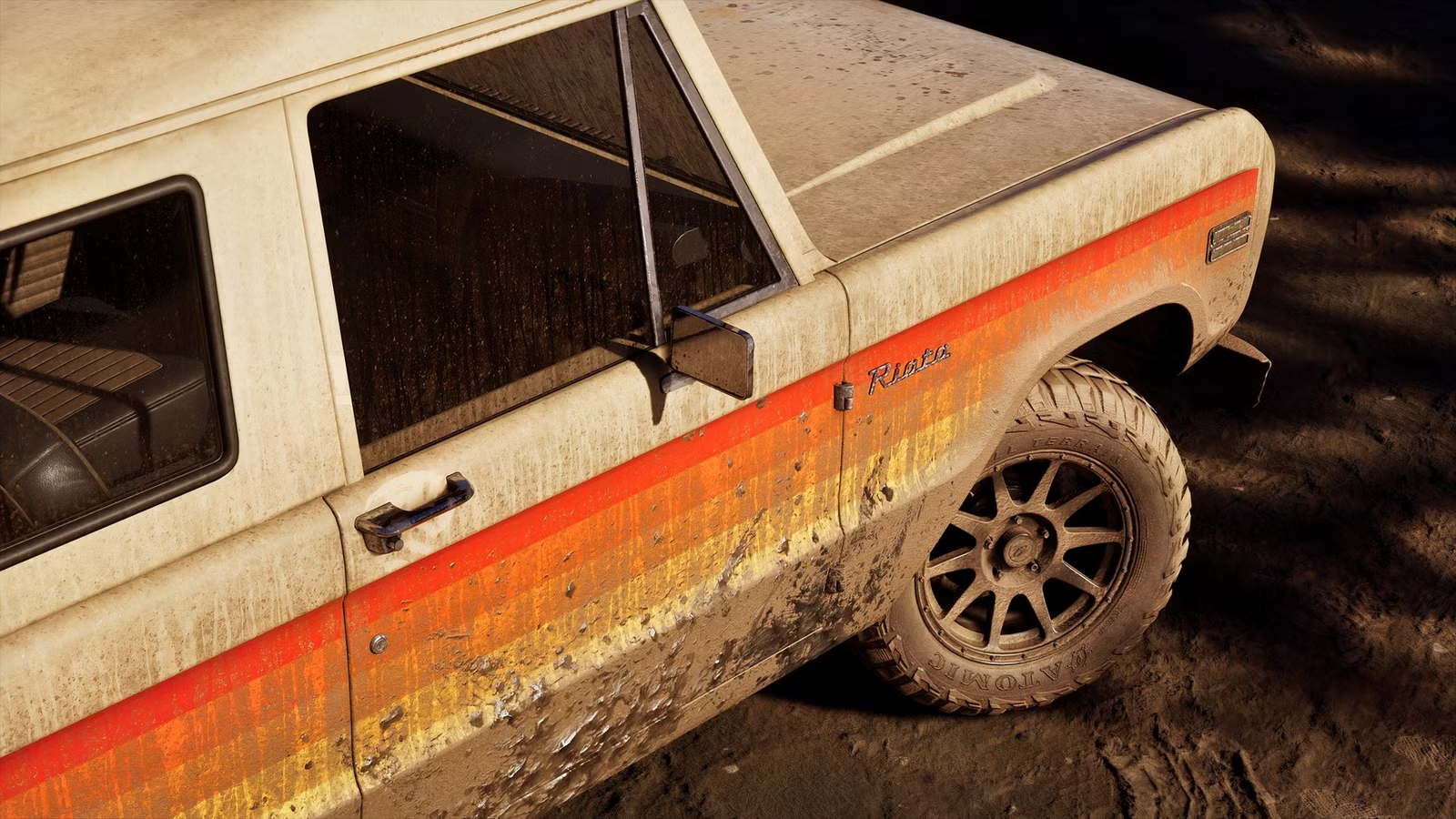
For years, driving physics in games have felt artificial, boat-like, and cartoonish; we checked out GTA 6’s new driving physics and were pleasantly surprised. After testing everything from top-heavy pickups and rear-wheel-drive V8 muscle cars to low-slung sports cars and electric performance machines across Leonida, we can say the handling, weight distribution, and driving dynamics have improved. Let’s take a deeper look.
Driving Dynamics Matter More Than Ever

Driving a tall ladder-frame SUV or pickup truck, you can immediately feel the weight distribution; the top-heavy nature is apparent and very realistic. If you take a sharp turn at high speeds, you can feel the outer wheels and springs getting overloaded, pushing the body into an almost rollover situation.
Climb into a rear-wheel-drive V8 muscle car, on the other hand, and the driving dynamics shift: the nose feels heavy and slower to respond than Japanese and exotic cars, and the rear axle is always on the verge of stepping out; you have to modulate the throttle to gain enough traction before pushing hard to avoid spins. The oversteering nature of a muscle car is replicated to a T. If you like burning tires, that’s the way to go.
Jump into a European sports car, and you can immediately feel the difference in grip; it drives glued to the road, the handling is predictable, and so are the brakes; with minimal body roll in the busy streets of Vice City, full of luxury cars, the European sports car is the perfect choice to dart around traffic without losing speed.

Unique Driving Feel On Different Surfaces

Drive on wet tarmac, and the grip changes completely; stopping takes more distance, and cars break traction more easily as mechanical grip reduces. Get in a low-slung sports car and drive onto sandy shores or marshy land, and the physics become even more realistic: cars with low-profile tires dig into the sand, reducing speed drastically even at full throttle; the same goes for mud and shallow ponds.
On the other hand, drive a lifted truck, jump around in the mud with maximum suspension travel, and tackle dunes with predictable body control. Jump to a paved racetrack and feel the grip return with cars equipped with race tires, taking corners at full throttle without losing traction.
A point that is common across all types of vehicles, be it road cars, off-roaders, or race cars, is that throttle modulation is more important than ever, as is braking early to make the corner, initiate a powerslide, and correct it without crashing. Gone are the days of using the throttle and brake as on-and-off switches to keep the vehicles under control.
Crashes And Mechanical Failures Carry Genuine Stakes

High-speed crashes can now cause terminal damage. If you keep having front-end collisions, engine health deteriorates, and in a high-speed impact, the engine can be totally smashed, leaving the vehicle totaled. Side impacts and suspension damage can throw the car out of alignment and make it veer in one direction even if you’re driving straight. A damaged car can keep on going, but it will eventually give out.
Powertrain Characteristics And Range Management: ICE vs EV

With the introduction of electric cars, a new driving experience is available to enthusiasts, featuring a real-world instant torque surge from a standstill, in contrast to the linear power delivery of ICE cars. A new dimension for enthusiasts is fuel management; you have to keep enough fuel in the tank depending on the car you are driving. An exotic or muscle car will consume more fuel, whereas a commuter car will be fuel efficient. The same goes for electric cars, with dedicated charging infrastructure to keep the batteries charged for long highway runs through the streets of Leonida.
Source: Les Paul YouTube, Rockstar Games.

Related posts



Latest Post


No Comments