
The Best Motorcycles Of 2026 & 2027
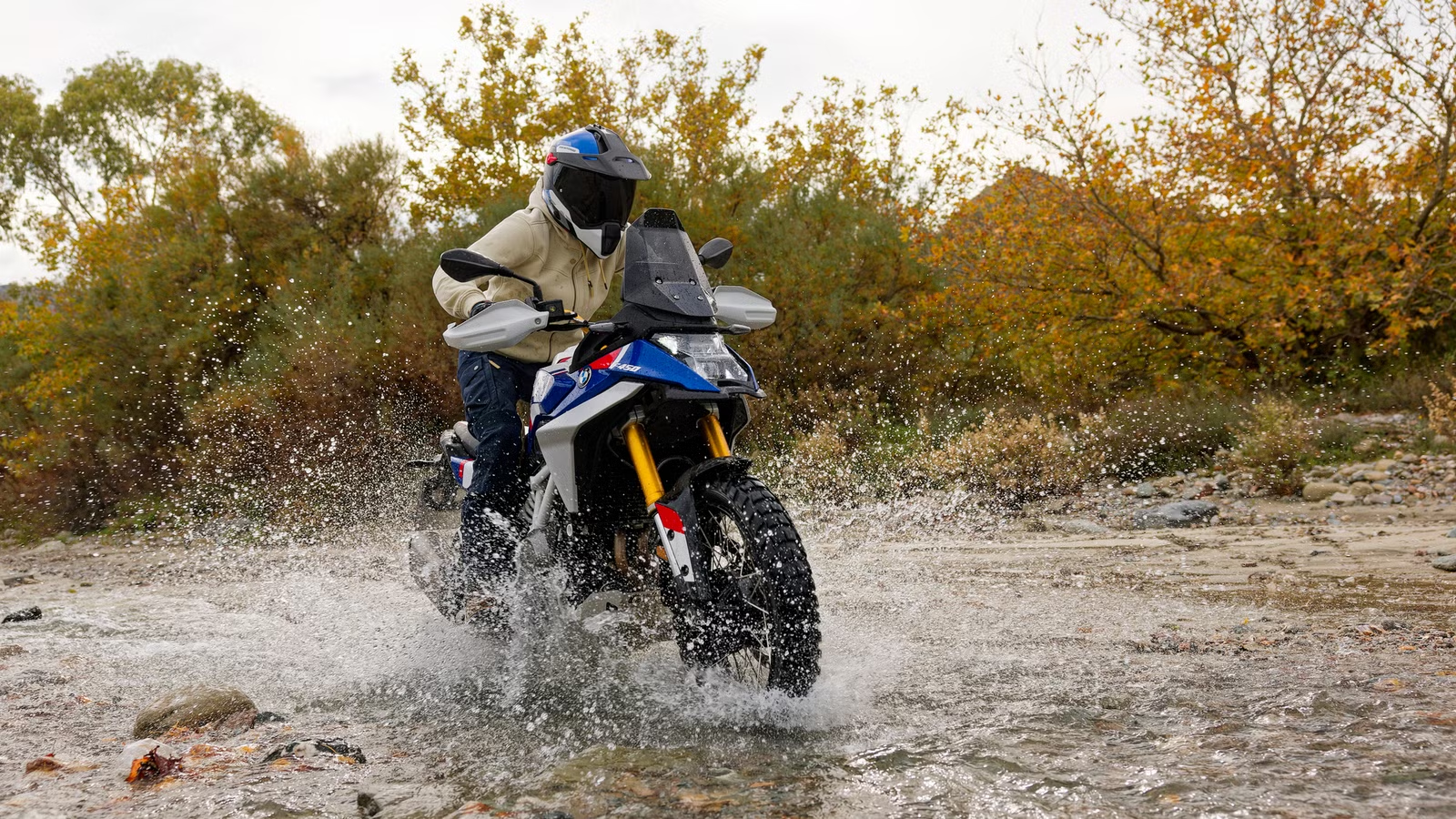
There isn’t really one best motorcycle for everyone. A first-time rider shopping for a lightweight commuter has almost nothing in common with someone planning a cross-country adventure, while the person eyeing an electric motorcycle may not care about either. So instead of pretending one machine can win every argument, we’ve picked 10 of the strongest motorcycles available in the U.S. for 2026 and 2027, split across five very different categories.

Our picks cover beginner bikes, cruisers, adventure motorcycles, sport bikes, and electric machines. Each one brings something particularly compelling to its corner of the market, whether that’s price, accessibility, performance, technology, or simply a combination that’s difficult for its rivals to match.
Kawasaki Ninja 500
The Kawasaki Ninja 500 is one of the easiest answers to the best beginner motorcycle question because it doesn’t require much compromise once you’ve learned the basics. Its 451cc parallel-twin produces a claimed 51 horsepower at 10,000 rpm and 31.7 pound-feet at 7,500 rpm, paired with a six-speed transmission. The ABS version weighs just over 377 pounds in 50-state specification, while its 30.9-inch seat keeps things approachable for newer riders.


It’s also inexpensive enough to make sense as a first bike. The 2026 Ninja 500 starts at $5,399 without ABS, while ABS-equipped models begin at $5,799. A 3.7-gallon tank, smartphone-connected instrumentation, sporty bodywork, and a chassis light enough for city riding give it considerably more versatility than the “starter bike” label suggests. You could learn on one, commute on it, spend weekends carving corners, and keep it long after gaining full confidence.
|
Engine |
451cc liquid-cooled DOHC parallel-twin |
|
Output |
51 horsepower @ 10,000 rpm; 31.7 pound-feet @ 7,500 rpm |
|
Transmission |
Six-speed; assist-and-slipper clutch; chain drive |
|
Brakes |
Single 310mm front disc, two-piston caliper; 220mm rear disc, single-piston caliper; ABS optional |
|
Wheels and Tires |
17-inch wheels; 110/70-17 front, 150/60-17 rear |
|
Wet Weight |
372.6 pounds non-ABS / 377.1 pounds ABS, 50-state specification |
|
Seat Height |
30.9 inches |
|
Electronics and Safety |
Available ABS, smartphone connectivity, LCD instrumentation, economical riding indicator |
|
Base MSRP |
$5,399 non-ABS / $5,799 ABS |
Yamaha MT-03

For riders who want their best starter motorcycle to be even lighter and less intimidating, the 2026 Yamaha MT-03 makes a persuasive case. Its 321cc liquid-cooled parallel-twin feeds a six-speed gearbox with an assist-and-slipper clutch, while the whole motorcycle weighs 373 pounds ready to ride. The 30.7-inch seat height is equally welcoming, particularly for shorter riders who would rather have both feet confidently near the pavement while learning low-speed control.

The MT-03 starts at just $4,999 and uses a 37mm inverted KYB fork, preload-adjustable rear shock, ABS, and 17-inch wheels at both ends. Yamaha also updated the current model with revised styling and smartphone connectivity. It isn’t overwhelmingly fast, and that is part of the appeal. For someone searching for the best motorcycle for beginners who’ll primarily ride around town and on back roads, simplicity can be far more useful than another 30 horsepower.
|
Engine |
321cc liquid-cooled DOHC parallel-twin |
|
Output |
42 horsepower @ 10,750 RPM and 21.8 to 22 lb-ft of torque @ 9,000 RPM |
|
Transmission |
Six-speed; assist-and-slipper wet multiplate clutch; chain drive |
|
Brakes |
Single 298mm front disc; 220mm rear disc; ABS |
|
Wheels and Tires |
17-inch wheels; 110/70R17 front, 140/70R17 rear |
|
Wet Weight |
373 pounds |
|
Seat Height |
30.7 inches |
|
Electronics and Safety |
ABS, Y-Connect smartphone connectivity, LCD display, LED lighting, USB-A outlet |
|
Base MSRP |
$4,999 |
Honda Rebel 1100

The 2026 Honda Rebel 1100 earns a spot on our best cruiser motorcycle shortlist because it bridges the gap between an approachable middleweight and a genuinely quick big-bore cruiser. Its 1,084cc liquid-cooled parallel-twin is paired with a conventional six-speed manual on the $9,699 base model, while Honda continues to offer its automatic dual-clutch transmission on higher trims. A 27.9-inch seat keeps the riding position accessible despite the substantial engine sitting underneath you.
The standard Rebel weighs 497 pounds ready to ride, which is relatively manageable by large-cruiser standards. It gets a 43mm fork with 5.5 inches of travel, dual preload-adjustable Showa shocks, ABS, and a 330mm front brake. The result is a cruiser that can handle urban riding, highways, and winding roads without adopting the enormous dimensions of a traditional heavyweight. Buyers wanting even easier cruising can step up to the 519-pound DCT version.
|
Engine |
1,084cc liquid-cooled Unicam parallel-twin |
|
Output |
87.2 horsepower @ 7,250 rpm; 72.3 pound-feet @ 4,750 rpm, claimed internationally |
|
Transmission |
Six-speed manual; chain drive | Optional DCT |
|
Brakes |
Single 330mm front disc with radial-mount four-piston caliper; single 256mm rear disc; ABS |
|
Wheels and Tires |
18-inch front / 16-inch rear; 130/70-18 front, 180/65-16 rear |
|
Wet Weight |
497 pounds |
|
Seat Height |
27.9 inches |
|
Electronics and Safety |
ABS, selectable ride modes, traction control, wheelie control, cruise control, throttle-by-wire, RoadSync smartphone connectivity |
|
Base MSRP |
$9,699 |
Indian Scout Bobber

If you want your cruiser to look and sound considerably more traditional, the Indian Scout Bobber brings a proper American V-twin into the equation. Its liquid-cooled 1,250cc 60-degree V-twin produces 105 horsepower and 82 pound-feet of torque, driving through a six-speed transmission. Indian wraps all of that in a low-slung chassis with chopped fenders, chunky 16-inch wheels, blacked-out finishes, and an extremely low 25.6-inch laden seat height.

It isn’t light at 542 pounds in running order, but that’s still sensible territory for a full-size American cruiser. A 41mm fork, dual rear shocks, Pirelli MT60RS tires, and single 298mm brake discs front and rear keep the hardware straightforward. Pricing starts at $12,999, with more feature-heavy trims available above it. The Scout Bobber earns its spot because it delivers the visual drama people expect from a cruiser without relying on a gigantic air-cooled engine or 700-pound curb weight.
|
Engine |
1,250cc liquid-cooled 60-degree V-twin |
|
Output |
105 horsepower; 82 pound-feet @ 6,300 rpm |
|
Transmission |
Six-speed; wet multi-plate clutch |
|
Brakes |
Single 298mm front disc with two-piston caliper; single 298mm rear disc with one-piston caliper |
|
Wheels and Tires |
16-inch cast wheels; Pirelli MT60RS 130/90B16 front, 150/80B16 rear |
|
Wet Weight |
542 pounds running order |
|
Seat Height |
25.6 inches laden; 26.2 inches unladen |
|
Electronics and Safety |
ABS, LED lighting, digital instrumentation; additional electronic features available on higher trims |
|
Base MSRP |
$12,999 |
BMW F 450 GS

BMW’s 2027 F 450 GS may be new, but on paper it already looks like one of the strongest contenders for the best adventure motorcycle title in the lightweight class. Its new 420cc parallel-twin produces 48 horsepower at 8,750 rpm and 32 pound-feet at 6,750 rpm. More importantly, the bike weighs just 393 pounds road-ready, has a 33.3-inch seat, and provides 7.1 inches of suspension travel at both ends. U.S. pricing starts at a very competitive $6,995.
BMW hasn’t stripped the little GS bare to hit that price, either. ABS, traction control, multiple ride modes, heated grips, a 6.5-inch TFT display, USB-C charging, a skid plate, and adjustable controls come standard. Sport and GS Trophy versions add more off-road-focused equipment, while BMW’s Easy Ride centrifugal clutch appears on higher specifications. U.S. deliveries are expected in the first quarter of 2027, making this the newest motorcycle on our list.
|
Engine |
420cc liquid-cooled DOHC parallel-twin with 135-degree crankshaft offset |
|
Output |
48 horsepower @ 8,750 rpm; 32 pound-feet @ 6,750 rpm |
|
Transmission |
Six-speed; hydraulically operated wet multi-disc clutch; chain drive |
|
Brakes |
Single 310mm front disc with four-piston Brembo monobloc caliper; 240mm rear disc; cornering ABS |
|
Wheels and Tires |
19-inch front / 17-inch rear; 100/90-19 front, 130/80-17 rear |
|
Wet Weight |
393 pounds road-ready |
|
Seat Height |
33.3 inches |
|
Electronics and Safety |
Cornering ABS, traction control, engine-brake control, Dynamic Brake Control, Rain/Road/Enduro modes, 6.5-inch TFT, connectivity, heated grips |
|
Base MSRP |
$6,995 |
Yamaha Ténéré 700

The 2026 Yamaha Ténéré 700 approaches adventure riding from the opposite direction. Instead of loading the bike with every electronic feature imaginable, Yamaha built it around the proven 689cc CP2 parallel-twin and a chassis meant to tolerate actual dirt. The current U.S. model weighs 459 pounds wet, offers 9.4 inches of ground clearance, and rides on proper 21-inch front and 18-inch rear wheels wrapped in Pirelli Scorpion Rally STR tires.

Its fully adjustable 43mm inverted fork provides 8.3 inches of travel, while the rear gets 7.9 inches and remote preload adjustment. Selectable ABS lets riders tailor the bike for off-road use, while the 4.2-gallon tank and comfortable upright ergonomics keep it viable for longer trips. At $10,999, the Ténéré isn’t the cheapest middleweight ADV anymore, but its relatively straightforward formula remains one of the category’s most convincing combinations of road manners and genuine trail capability.
|
Engine |
689cc liquid-cooled DOHC CP2 parallel-twin |
|
Output |
72.4 horsepower @ 9,000 rpm; 50.2 pound-feet @ 6,500 rpm, claimed internationally |
|
Transmission |
Six-speed; wet multiplate clutch; chain drive |
|
Brakes |
Dual 282mm front discs; single 245mm rear disc; three-mode selectable ABS |
|
Wheels and Tires |
21-inch front / 18-inch rear; Pirelli Scorpion Rally STR 90/90R21 front, 150/70R18 rear |
|
Wet Weight |
459 pounds |
|
Seat Height |
34.4 inches |
|
Electronics and Safety |
Ride-by-wire, Sport and Explorer throttle maps, three-mode selectable ABS, 6.3-inch TFT, smartphone connectivity and navigation |
|
Base MSRP |
$10,999 |
Yamaha YZF-R9

The Yamaha YZF-R9 fills the gap between lightweight twins and intimidating liter-class superbikes. Its 890cc CP3 inline-three feeds a six-speed transmission and sits inside a purpose-built aluminum chassis, giving Yamaha’s familiar triple a much sharper home than the MT-09 platform. At 430 pounds wet with a 32.7-inch seat, the R9 offers serious performance without becoming a 200-horsepower missile that needs a racetrack before its engine starts making sense.

The hardware backs up the intent. Yamaha gives it a fully adjustable 43mm KYB fork and similarly adjustable rear shock, dual 320mm front brakes, 17-inch wheels, and a comprehensive electronics package. MSRP starts at $12,499, putting the R9 in an interesting middle ground between everyday sport bikes and flagship superbikes. For road riders who still want legitimate track capability, it may be one of the most rational high-performance motorcycles available today.
|
Engine |
890cc liquid-cooled DOHC CP3 inline-three |
|
Output |
117.4 horsepower @ 10,000 rpm; 68.6 pound-feet @ 7,000 rpm, claimed internationally |
|
Transmission |
Six-speed; assist-and-slipper wet clutch; up/down quickshifter |
|
Brakes |
Dual 320mm front discs with Brembo Stylema calipers; 220mm rear disc; ABS |
|
Wheels and Tires |
17-inch wheels; Bridgestone Battlax Hypersport S22 120/70ZR17 front, 180/55ZR17 rear |
|
Wet Weight |
430 pounds |
|
Seat Height |
32.7 inches |
|
Electronics and Safety |
Six-axis IMU-based rider aids, ride modes, traction control, slide control, lift control, brake control, launch control, engine-brake management, quickshifter, cruise control and speed limiter |
|
Base MSRP |
$12,499 |
Ducati Panigale V2

Ducati’s latest Panigale V2 demonstrates that a modern sport bike doesn’t need superbike horsepower to be properly exotic. Its 890cc 90-degree V-twin produces 120 horsepower, uses variable intake valve timing, and sends power through a six-speed gearbox with a standard up-and-down quickshifter. The new engine is dramatically lighter than Ducati’s previous twin, helping make this generation of Panigale V2 significantly less cumbersome than the 955cc machine it replaced.

The chassis uses an aluminum monocoque with the engine as a structural component, while a fully adjustable 43mm Marzocchi fork handles the front end on the standard model. Electronics include cornering ABS, traction control, wheelie control, engine-braking management, and multiple riding modes. Current U.S. pricing for the 2026 Panigale V2 is $16,995. It’s still unmistakably a Ducati superbike, just one whose performance is far easier to exploit away from a professional race circuit.
|
Engine |
890cc liquid-cooled 90-degree V-twin with variable intake valve timing |
|
Output |
120 horsepower @ 10,750 rpm; 69 pound-feet @ 8,250 rpm |
|
Transmission |
Six-speed; slipper wet clutch; up/down quickshifter |
|
Brakes |
Dual 320mm front discs with Brembo M50 four-piston monobloc calipers; 245mm rear disc; cornering ABS |
|
Wheels and Tires |
17-inch aluminum wheels; Pirelli Diablo Rosso IV 120/70 ZR17 front, 190/55 ZR17 rear |
|
Wet Weight |
395 pounds without fuel |
|
Seat Height |
33 inches |
|
Electronics and Safety |
Cornering ABS, traction control, wheelie control, engine-brake control, ride modes, power modes, quickshifter, 5-inch TFT |
|
Base MSRP |
$16,995 |
Zero SR/F

The Zero SR/F remains one of the clearest answers to the best electric motorcycle question if your priorities are outright performance and useful road range. Its Z-Force motor produces 111 horsepower and a massive 140 pound-feet of torque, while the 17.3-kWh battery delivers a claimed city range of up to 176 miles. Top speed is 124 miles per hour, which puts the SR/F firmly in full-size performance motorcycle territory rather than positioning it as an electrified urban runabout.
Pricing starts at $19,995, so the SR/F certainly isn’t cheap, but it offers considerably more performance and range than entry-level electric machines. Zero also offers an optional Power Tank and 6-kW Rapid Charger for riders who want to extend its capabilities further. It is the choice here for someone who wants electric propulsion without abandoning the speed, chassis proportions, and highway capability associated with a conventional large motorcycle.
|
Engine |
Z-Force 75-10 air-cooled interior permanent-magnet AC electric motor; 17.3-kWh battery |
|
Output |
111 horsepower @ 5,600 rpm; 140 pound-feet |
|
Transmission |
Clutchless direct drive; carbon belt final drive |
|
Brakes |
Dual 320mm front discs with J.Juan radial four-piston calipers; 240mm rear disc; Bosch stability control |
|
Wheels and Tires |
17-inch wheels; Pirelli Diablo Rosso III 120/70-17 front, 180/55-17 rear |
|
Wet Weight |
500 pounds curb weight |
|
Seat Height |
31.0 inches |
|
Electronics and Safety |
Bosch Motorcycle Stability Control, cornering ABS, traction control, drag-torque control, multiple ride modes, Cypher III+ operating system, cruise control and connected TFT |
|
Base MSRP |
$19,995 |
LiveWire S2 Alpinista

The LiveWire S2 Alpinista takes a different approach to electric performance. Its motor produces 84 horsepower and an enormous 194 pound-feet of torque, enough for a claimed zero-to-60-miles-per-hour run in three seconds. Top speed is 99 miles per hour, while estimated city range reaches 120 miles. The Alpinista also rolls on 17-inch wheels front and rear, giving it a more conventional sport-standard setup than the flat-track-inspired S2 Del Mar.

Perhaps the biggest improvement is the price. LiveWire has cut the Alpinista to $12,999, making the S2 platform far easier to justify than when the company’s electric motorcycles sat closer to premium superbike money. Level 1 and Level 2 charging are supported, with LiveWire quoting 78 minutes for a Level 2 charge under its specified conditions. For riders whose mileage is mostly urban and suburban, the Alpinista makes a strong case that electric motorcycles can already be genuinely entertaining everyday machines.
|
Engine |
Electric motor with 10.5-kWh high-voltage battery |
|
Output |
84 horsepower; 194 pound-feet |
|
Transmission |
Single-speed direct drive |
|
Brakes |
Brembo M4.32 four-piston monobloc front caliper; Brembo PF34 single-piston rear caliper; cornering ABS |
|
Wheels and Tires |
17-inch cast-aluminum wheels; Dunlop RoadSmart IV 120/70 ZR17 front, 180/55 R17 rear |
|
Wet Weight |
434 pounds |
|
Seat Height |
29.5 inches laden / 31.18 inches unladen |
|
Electronics and Safety |
Six-axis IMU, cornering ABS, cornering traction control, drag-torque slip control, Sport/Road/Range/Rain/Custom modes, regenerative braking, reverse assist, connectivity and over-the-air updates |
|
Base MSRP |
$12,999 |
Here is a quick rundown of what we think are the best motorcycles for the 2026 and 2027 model years. Think we missed anything? Share your thoughts in the comments below!
Source: Various Manufacturers

Related posts
Latest Post


No Comments