
The Best Lexus GS Isn’t The Inline-Six, It’s The 300-HP V8
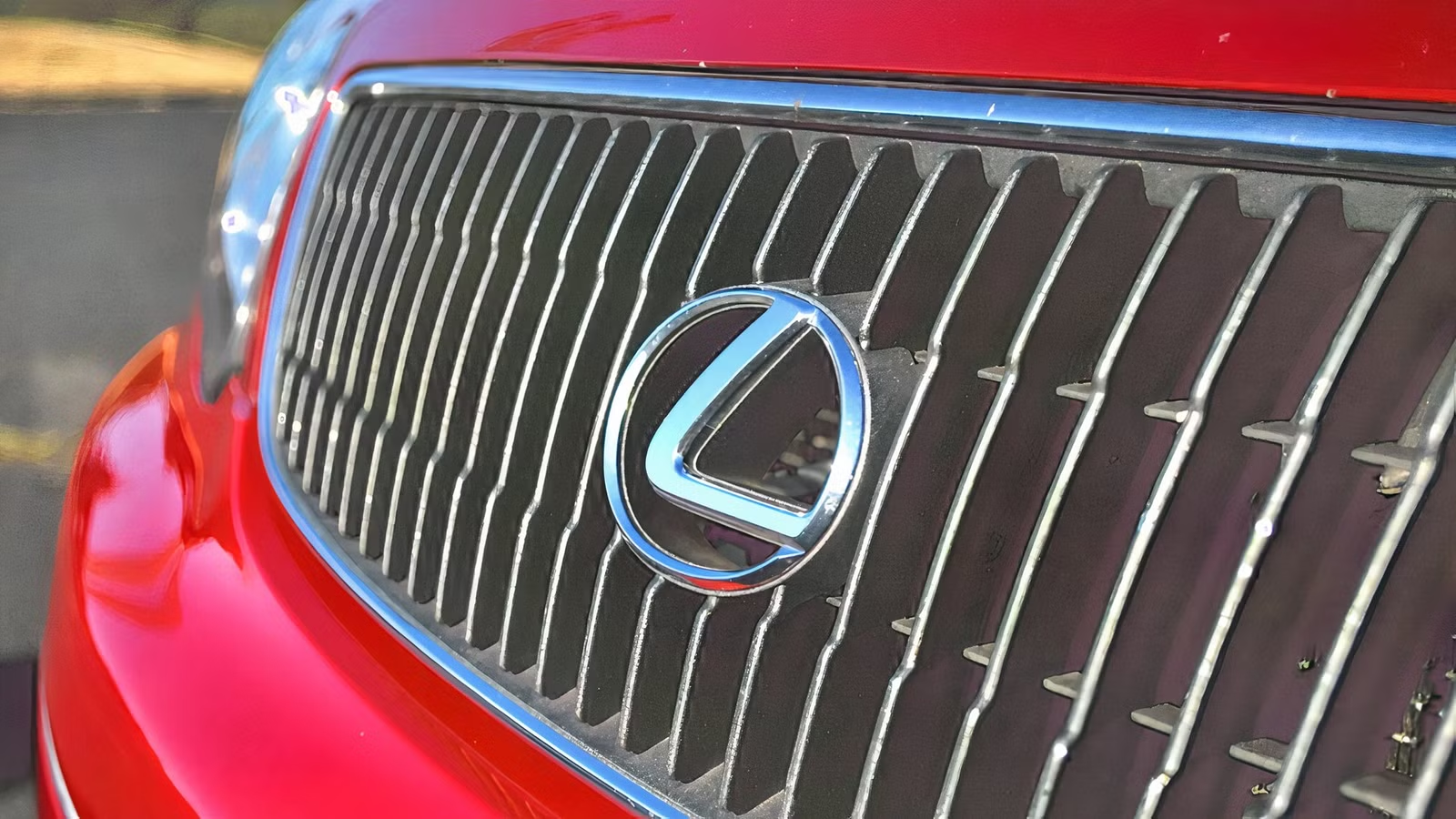
Most luxury sedans don’t look like they could hit 60 mph in 5.8 seconds, clear the quarter-mile in 14.5 seconds, and reach an electronically limited 149 mph on a track. Lexus recorded those figures with prototypes of the 300-hp V8 version of the second-generation Lexus GS. Not bad for a car dressed for a board meeting.

Yet buyers often chase its Supra-related inline-six, which made 225 hp, or mistake it for the V6-powered ES 300. The engine with the bigger reputation might not be the better used-car buy.
The Famous Inline-Six Comes With Some Important Catches
Under the GS 300’s hood, six pistons rise and fall in one long row, with 24 valves controlling how the engine breathes. This 3.0-liter 2JZ-GE made 225 hp and 220 lb-ft in 1998, driving the rear wheels through an automatic. But the Supra family connection doesn’t include the turbocharged Supra’s hardware, and chasing that extra power means building a turbo car, not unlocking a factory secret.

There’s another trap under the Lexus badge. The ES 300’s 1MZ-FE is a V6 mounted sideways for front-wheel drive. The GS 300 has a straight-six stretching lengthwise, with power going rearward. Open their hoods and the layout tells two different stories. Even service access changes; an ES repair complaint isn’t evidence against the GS.In Japan, the second-generation Lexus GS was sold as the Toyota Aristo. The Aristo S300 used the same naturally aspirated 2JZ-GE as the U.S. GS 300, while the V300 packed a twin-turbo 2JZ-GTE rated at 280 PS (about 276 hp). The JZX100 Chaser Tourer V was a different car altogether, running a turbocharged 2.5-liter 1JZ-GTE.
The GS 400 Delivers 300 HP Without Adding Turbochargers

The 1998–2000 Lexus GS 400 hid serious speed behind familiar sheet metal. Its 4.0-liter 1UZ-FE V8 pumps out 300 hp and 310 lb-ft, an extra 75 hp and 90 lb-ft over the GS 300. Lexus’s factory specifications put prototype 0–60 mph acceleration at 5.8 seconds, versus 7.6 for the six-cylinder. You get that speed without opening a turbo catalog.
The four-cam V8 combines aluminum construction with variable valve timing to manage how its cylinders breathe. The GS 400 weighs just 55 pounds more than its six-cylinder sibling. A five-speed automatic feeds the rear wheels, while double-wishbone suspension guides them through bumps and corners. Steering-wheel E-shift buttons let you choose gears without reaching for the console. Traction control helps tame wheelspin. It’s still an automatic, but Lexus gave the driver more to work with than a plain selector.

The 2001 GS 430 trades 4.0 liters for 4.3 and brings 325 lb-ft at 3,400 rpm instead of the older V8’s 310 at 4,000. Both make 300 hp; Lexus claimed the same 5.8-second run. If that car is better maintained, its extra torque makes it worth considering.
Recent Sales Show Where The V8 Bargain Case Holds Up

A 300-hp Lexus V8 for $7,600? That’s enough to make you check the listing twice. A 1998 GS 400 with 149,000 miles sold for that price on Bring a Trailer on June 22, 2026. Another ’98, showing 48,000 miles, sold there for $12,000 on May 17. That’s $4,400 extra for 101,000 fewer miles. Then inspect both.
The cheaper car disclosed oil-pan and steering-rack leaks, plus a patch covering worn driver’s-seat upholstery. The low-mileage one had a replacement instrument cluster calibrated to the removed unit’s mileage and a faded dashboard beneath a pad. Neither was frozen in a showroom time capsule. Those winning bids also exclude buyer fees and taxes, and they aren’t a market average or a guaranteed price range. Repairs can make a used Lexus bargain less charming.
JDMBUYSELL reported a $15,950 Aristo median from 37 seller-reported sales dated August 2023 through October 2026, as of November 1, 2026. But those cars span generations and specifications. It’s not proof of a fixed JDM premium over a GS 400. Compare cars, including fees and repairs.
Even A Reliable Old Lexus Needs These Essential Checks

The GS 400 serves up luxury and muscle on the same plate: leather seats, walnut trim, dual-zone climate control, and a 300-hp V8.
Before you fall for it, though, check dated receipts and mileage. Gates lists a timing-belt replacement interval of 90,000 miles or 72 months, whichever comes first. On this interference V8, a failed belt can mean pistons meeting valves, and nobody wants that introduction. Have a specialist review the belt-driven water pump, too. The S160’s hydraulic brake booster, pump, accumulator, and ABS require model-specific pressure and electrical checks; warning lights or odd pump behavior deserve a repair estimate. Check stored faults, leaks, suspension wear, and the dashboard under any cover. Fading on one auction car doesn’t make later-generation sticky-dashboard bulletins an S160 diagnosis.
With proper maintenance and a clean inspection, this GS 400 makes a compelling used luxury sedan. But if repairs swallow the bargain, walk away. You came for a 300-hp Lexus, not a restoration project.
Sources: Lexus, Toyota, Bring a Trailer, JDMBUYSELL, Gates

Related posts




Latest Post



No Comments