
The best German cars ever made
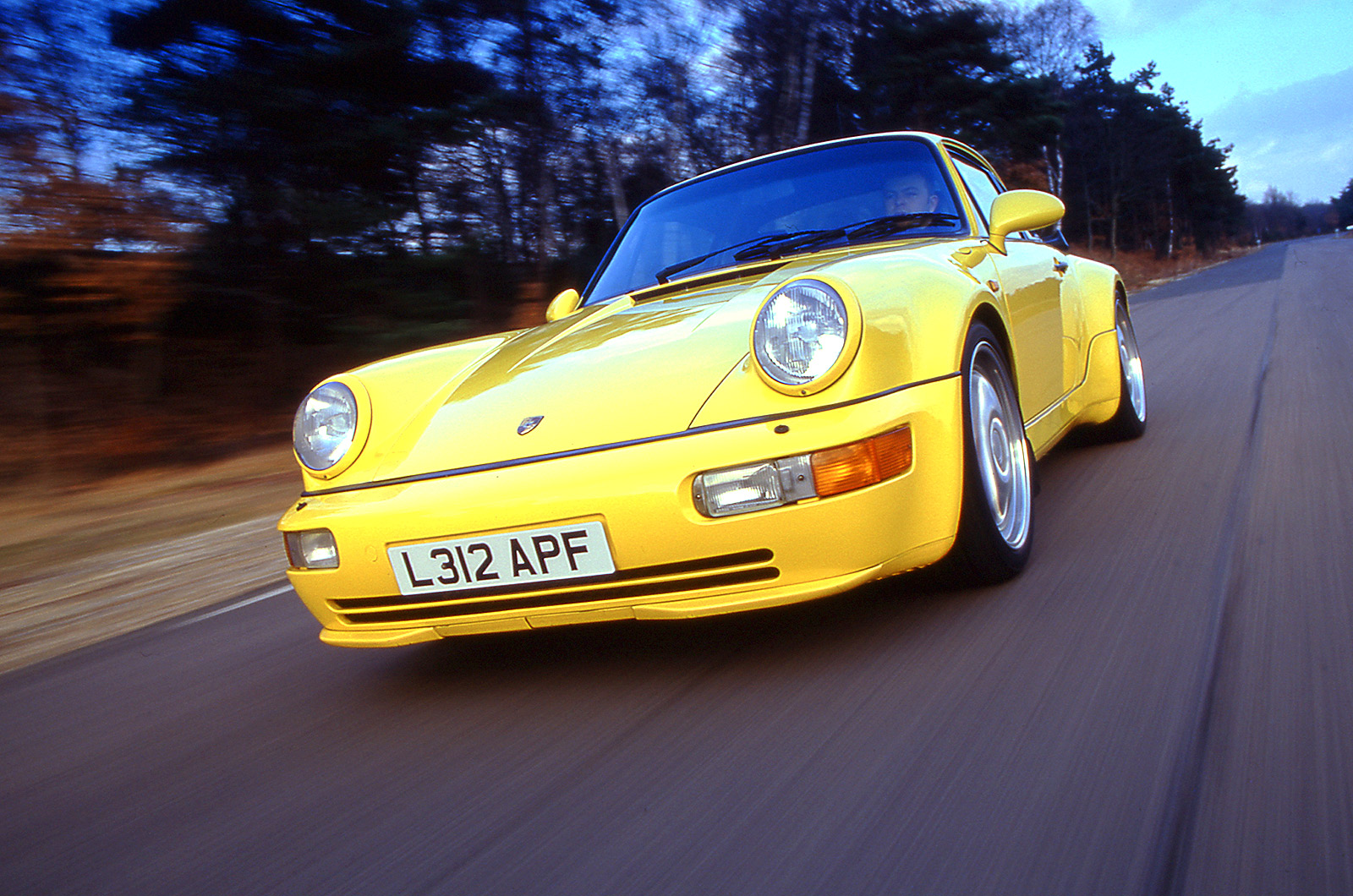
The SL65 AMG Black Series of 2008 used a 661bhp twin-turbo V12 engine, weighed 250kg less than an SL600, and had its top speed electronically limited to 199mph. A new generation SL has just been unveiled, and we should see it on the road in 2022.
NSU Ro80
The NSU Ro80 was made Car of the Year in the 1968, largely due to its forward-thinking styling and use of a twin-rotor Wankel rotary engine. It was undoubtedly a clever car that could cruise smoothly at high speeds. Sadly, that engine proved unreliable and only 37,204 Ro80s were made over its 11-year life before Volkswagen pulled down the shutters on the NSU name.
Modern technology has solved the rotor tip wear of the Wankel engine, making the Ro80 a desirable classic. Imperfect certainly, but we call the car great because of what it tried to do.
Opel Manta
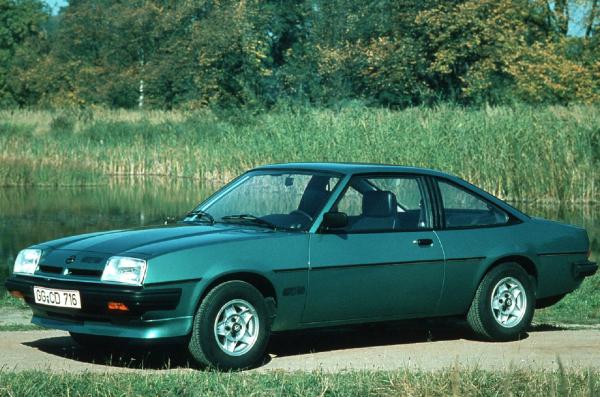
Opel was quick to respond to Ford’s Capri with its Manta coupe, a car that also looked to US muscle cars for its style. The first-generation model, the Manta A, was good, but the B version that followed was great. Better looking, more spacious and, crucially, fine handling. It made full use of its 110bhp in 2.0-litre GT/E form and it outlasted the Capri to carry on till 1988, by which time 603,000 of them had been built.
Opel created the Manta 400 Group B rally car in 1983. Its rear-drive platform was outdated from the moment it arrived against all-wheel drive rivals, but it still put in strong performances on tarmac events.
Opel Monza

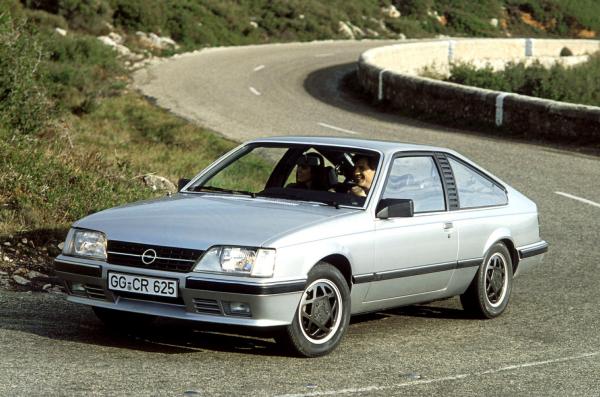
Vauxhall’s Senator was a fine alternative to the Ford Granada, while its handsome Opel Monza sibling had the filed to itself by the late 1970s for affordable mainstream large coupes. At its best in 3.0-litre GS/E form with 180bhp, the Monza could crack 0-60mph in 8.5 seconds and top 120mph. The GS/E was also notable for its digital dash display.
Porsche 356
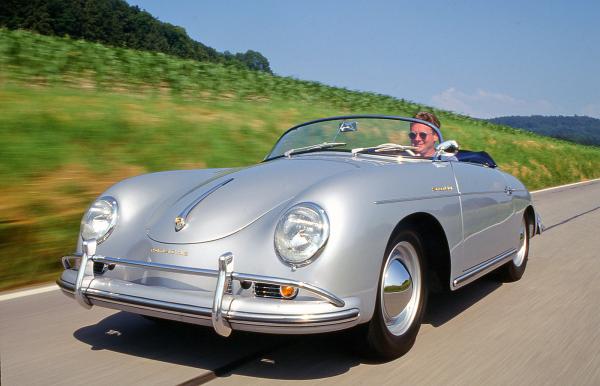
The first 49 Porsche 356s were built in Gmünd, Austria, but this tiny sports car is forever associated with Germany and creator Ferry Porsche. With modest power outputs in most models, the 356 relied on it light weight, aerodynamics and superb handling to beat the opposition. Success in the US gave the company stability and the 356 set the design layout for the 911 that succeeded it.


Related posts

Latest Post


No Comments