
The 6.7L Power Stroke Has Been King Of Heavy Towing for Years—The Sierra EV Just Made That Complicated
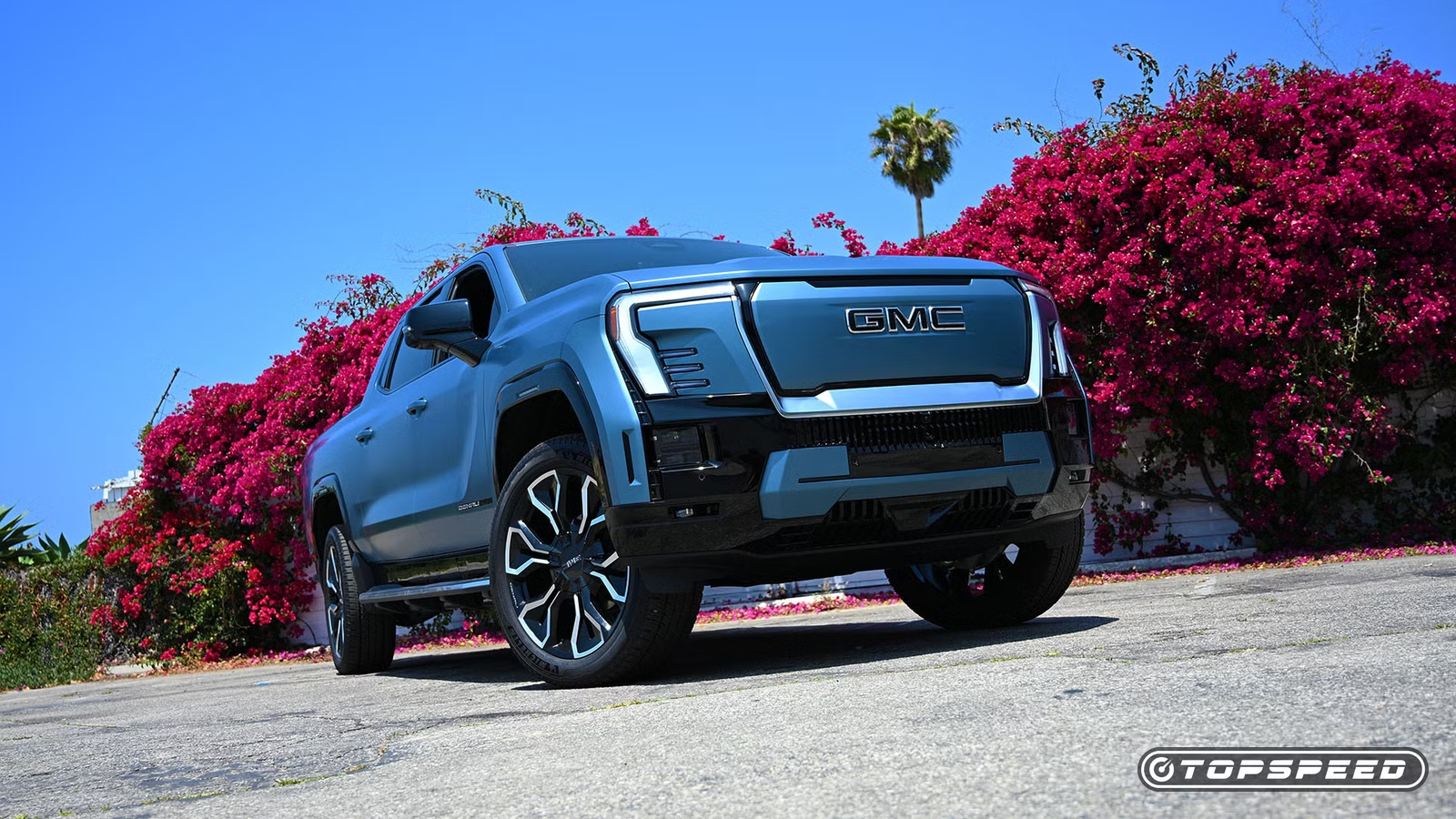
For anyone who spends time on truck forums or hauls a camper on weekends, the answer to “what engine do you want under the hood?” has been the same for years: the Ford 6.7L Power Stroke diesel. It’s the benchmark—the engine that made the F-250 Super Duty the default recommendation in every towing conversation. That consensus took a meaningful hit this week when a GMC Sierra EV Denali outperformed a Power Stroke-equipped F-250 in a real-world towing test with a 7,000-pound camper in tow.

The test, published June 26, 2026, by Torque News, pitted two very different philosophies against each other on the same road with the same load. The Sierra EV Denali won. That result won’t settle every argument diesel loyalists have about electric trucks—and it shouldn’t—but it does mark the kind of credible, head-to-head data point that’s been missing from the EV-versus-diesel debate until now.
What The Test Actually Showed
The 7,000-pound camper load puts this squarely in heavy-duty territory—not a light trailer that flatters an EV’s low-end torque. Under that kind of sustained pull, the Sierra EV Denali’s electric drivetrain delivered its torque immediately and consistently, without the turbo spool-up lag that diesel drivers manage instinctively but newcomers notice. Thermal management, which has been a documented weak point for EVs under extended high-load conditions, held up well enough in this test to keep the Sierra competitive across the full run.

The Power Stroke-equipped F-250 is no slouch. Ford’s 6.7-liter turbodiesel produces 500 horsepower and 1,200 lb-ft of torque in its current tune—figures that have made it the go-to recommendation for fifth-wheel haulers and gooseneck operators for years. The fact that the Sierra EV matched and beat it under a real load, on real roads, is the story. This wasn’t a controlled dragstrip run or a cherry-picked grade—it was the kind of driving that matters to people who actually tow.
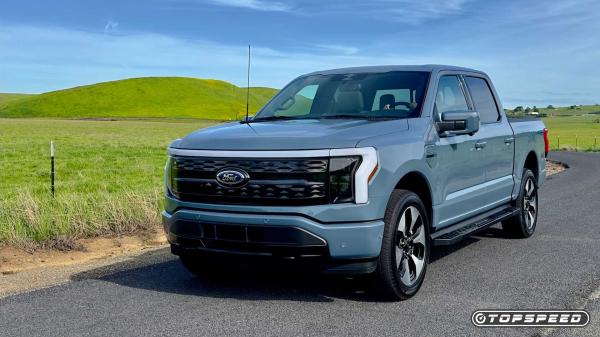
How Electric Trucks Stand In Today’s World Of Gas And Diesel Pickups
Do electric trucks have what it takes to become the work trucks trusted over gas and diesel pickups? The results might surprise you.
Why Diesel Loyalists Should Pay Attention—And What Still Gives Them Pause

The Power Stroke’s dominance in towing conversations isn’t just about peak numbers. It’s about reliability over hundreds of thousands of miles, the ability to fuel up anywhere in rural America in under ten minutes, and a parts-and-service ecosystem that’s been built out over decades. Those aren’t small things, and one test result doesn’t erase them.
But the Sierra EV Denali result does answer a question that EV skeptics have been asking for years: can an electric truck actually keep up under a real load? The answer, at least in this test, is yes. The charging infrastructure picture is also improving—the U.S. now has more than 250,000 public EV charging ports, a number that’s still growing. Long-distance towing remains a legitimate concern, because pulling 7,000 pounds compresses an EV’s range significantly, and charging stops take longer than diesel fill-ups. Battery durability over a decade of heavy use is still an open question without the long-term data that diesel engines have accumulated. Cost is another factor: the Sierra EV Denali carries a significant price premium over a comparably equipped F-250 diesel.
A Threshold Moment, Not A Knockout

The honest read on this test is that electric trucks have crossed a capability threshold—they can now compete with the best diesel hardware in a meaningful towing scenario. That’s different from saying they’re ready to replace diesel for every use case. A rancher running a fifth-wheel 400 miles from the nearest DC fast charger has a different calculus than a weekend camper who tows 150 miles round-trip and charges at home overnight.
What the Sierra EV Denali result does is change the starting point of the conversation. For years, the burden of proof was entirely on EVs to demonstrate they belonged in the same category as the Power Stroke. That burden has shifted. Diesel still has real advantages in range, refueling speed, and long-term durability data, but the performance gap that made EVs easy to dismiss in towing discussions has closed. Truck buyers who’ve been waiting for a reason to take electric seriously now have one.
Sources: Torque News, InsideEVs

Related posts



Latest Post


No Comments