
Stellantis Is Bringing Back The Hemi—Here’s What That Means For Dodge And Ram Enthusiasts
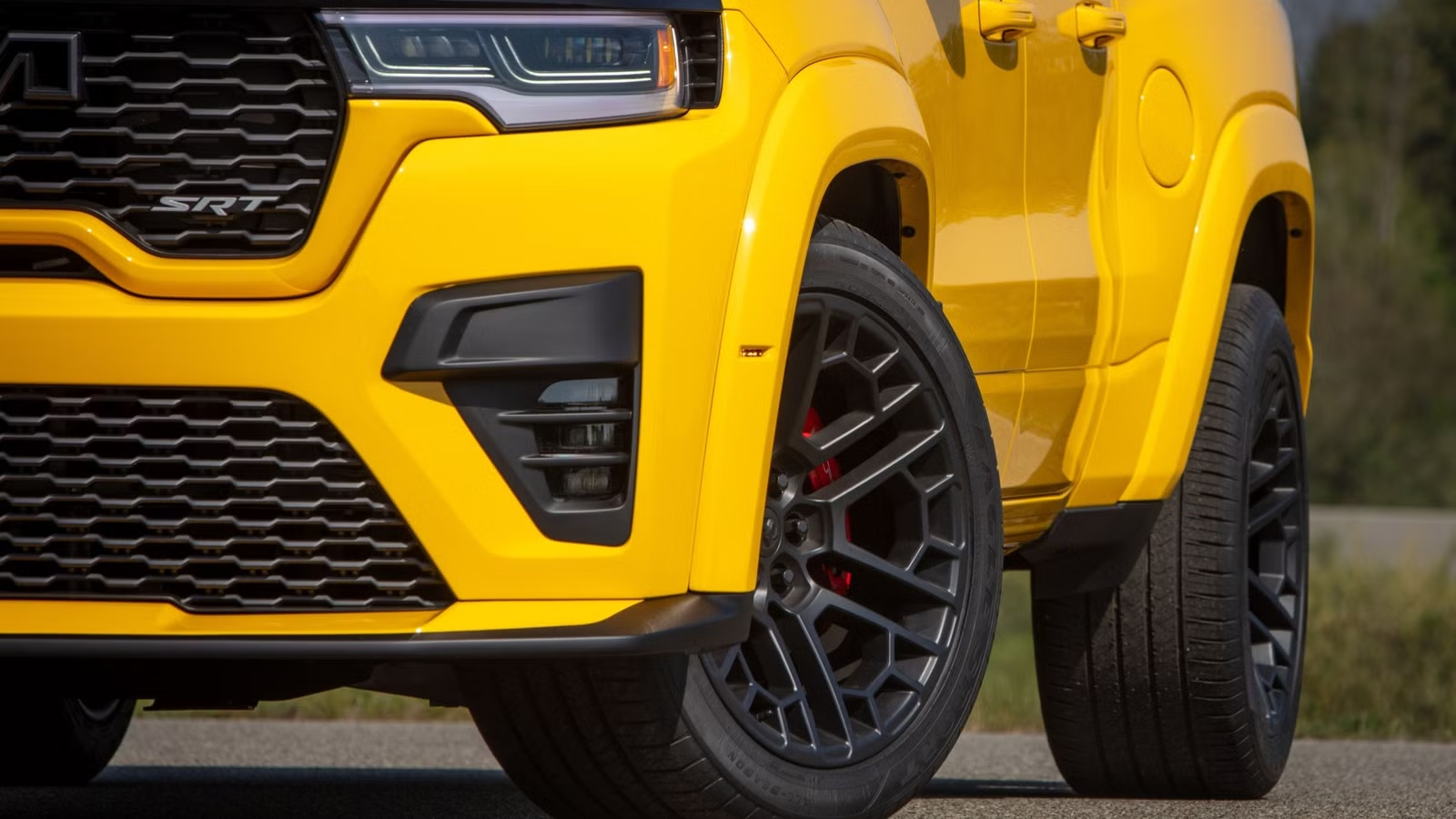
The Hemi is coming back—and this time it’s official. Stellantis confirmed on September 14, 2025, that the Hemi V8 nameplate is returning to production, part of a broader recalibration of the company’s EV strategy that puts internal combustion back at the center of Dodge and Ram’s near-term lineup. For enthusiasts who spent the last few years watching the 5.7-liter and 6.4-liter Hemis get quietly sidelined in favor of electrification commitments, this is the confirmation they’ve been waiting for.

The announcement isn’t nostalgia marketing or a heritage badge slapped on a press release. Stellantis is making a concrete business decision: V8 demand in the truck and performance segments remains strong enough—and profitable enough—to justify sustained investment. That logic has real consequences for what Dodge and Ram buyers can expect in the showroom.
What Stellantis Has Actually Confirmed About The Hemi’s Return
The core of the announcement is that the Hemi V8 nameplate will return to active production, not simply persist in carry-over applications. Stellantis has tied this directly to its revised EV roadmap, which pulls back on the pace of electrification across its North American brands and redirects investment toward internal combustion powertrains where demand is clearest.

On the Ram side, the direction has already started taking shape. Ram CEO Tim Kuniskis confirmed in a separate interview that the 5.7-liter Hemi V8—without the 48-volt mild-hybrid system—will expand beyond the Rumble Bee muscle truck and into more affordable Express trims. That’s a meaningful shift: the mild-hybrid delete was a sticking point for buyers who wanted a straightforward V8 without the added complexity and cost. Spreading that configuration further down the lineup signals that Ram is listening to what its core customers actually want.
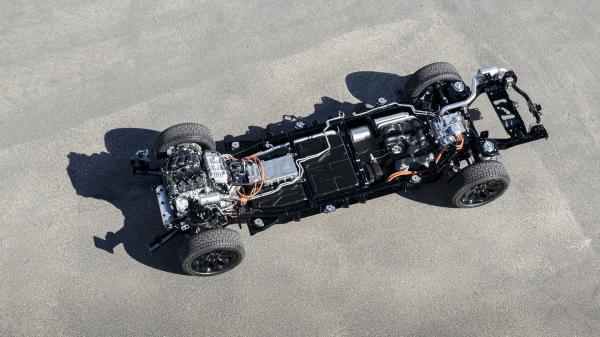
Ram CEO Hints At More V8s Following Hemi Return
Ram’s CEO told media they should pay very close attention to the team who brought back the Hemi V8 in the 1500 truck.
Which Models Are In Line to Get It—And When

Both Dodge and Ram are in the picture. Stellantis’s broader reinvention plan, outlined earlier in 2025, included references to a new Hellcat and a fresh Dodge sports car model among 20 new vehicles targeted by 2030. The Hemi resurgence announcement connects directly to that pipeline—the returning nameplate needs vehicles to go into, and Dodge’s performance lineup is the most obvious home.
Timeline specifics tied to the September announcement remain limited to what Stellantis has publicly stated, but the Rumble Bee and Express truck applications represent the near-term path, with Dodge performance models further out in the 2030-era product plan. The company has not confirmed exact on-sale dates for every application at this stage.
How The EV Strategy Shift Made This Possible

Stellantis’s EV commitments have been under pressure across the industry, and the company is not alone in recalibrating. GM is investing in new combustion-powered Cadillac models at its Spring Hill plant. The broader trend is one of automakers reading actual retail demand rather than projected adoption curves—and in the full-size truck and American muscle segments, that demand still runs on gasoline.
For Stellantis specifically, pulling back on the pace of electrification frees up capital and engineering bandwidth that can be redirected toward powertrain development for Dodge and Ram. The business logic is straightforward: Hemi-equipped trucks and performance cars carry strong margins and loyal buyers. Letting that segment atrophy to fund EV programs that aren’t yet generating comparable returns is a trade-off Stellantis is no longer willing to make at the same pace.
Why The Hemi Name Still Carries Real Weight

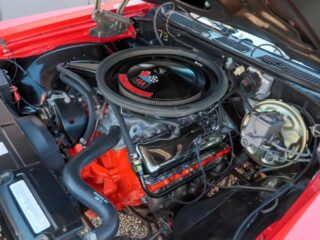
The Hemi’s cultural standing in American performance isn’t just marketing history. The 426 cubic-inch race unit that dominated NASCAR and drag strips in the 1960s; the 440 Six Pack that powered muscle-era Mopars, and the modern 5.7L and 6.4L engines that anchored everything from the Ram 1500 to the Challenger SRT—the nameplate has earned its reputation across generations. When Dodge and Ram buyers talk about wanting a “real” engine, the Hemi is the specific benchmark they’re measuring against.
That heritage is exactly why the return matters beyond spec sheets. A Hemi revival signals that Stellantis understands what its most loyal customers value—not just displacement and horsepower numbers, but the continuity of a performance identity that’s been part of American truck and muscle culture for six decades. The next step is watching which specific models carry the badge forward, and whether the specs live up to what that name has always promised.
Sources: Automotive News, The Drive, Carbuzz, Road & Track

Related posts


Latest Post


No Comments