
‘Slow, pricey’ franchised dealers being overlooked for repairs
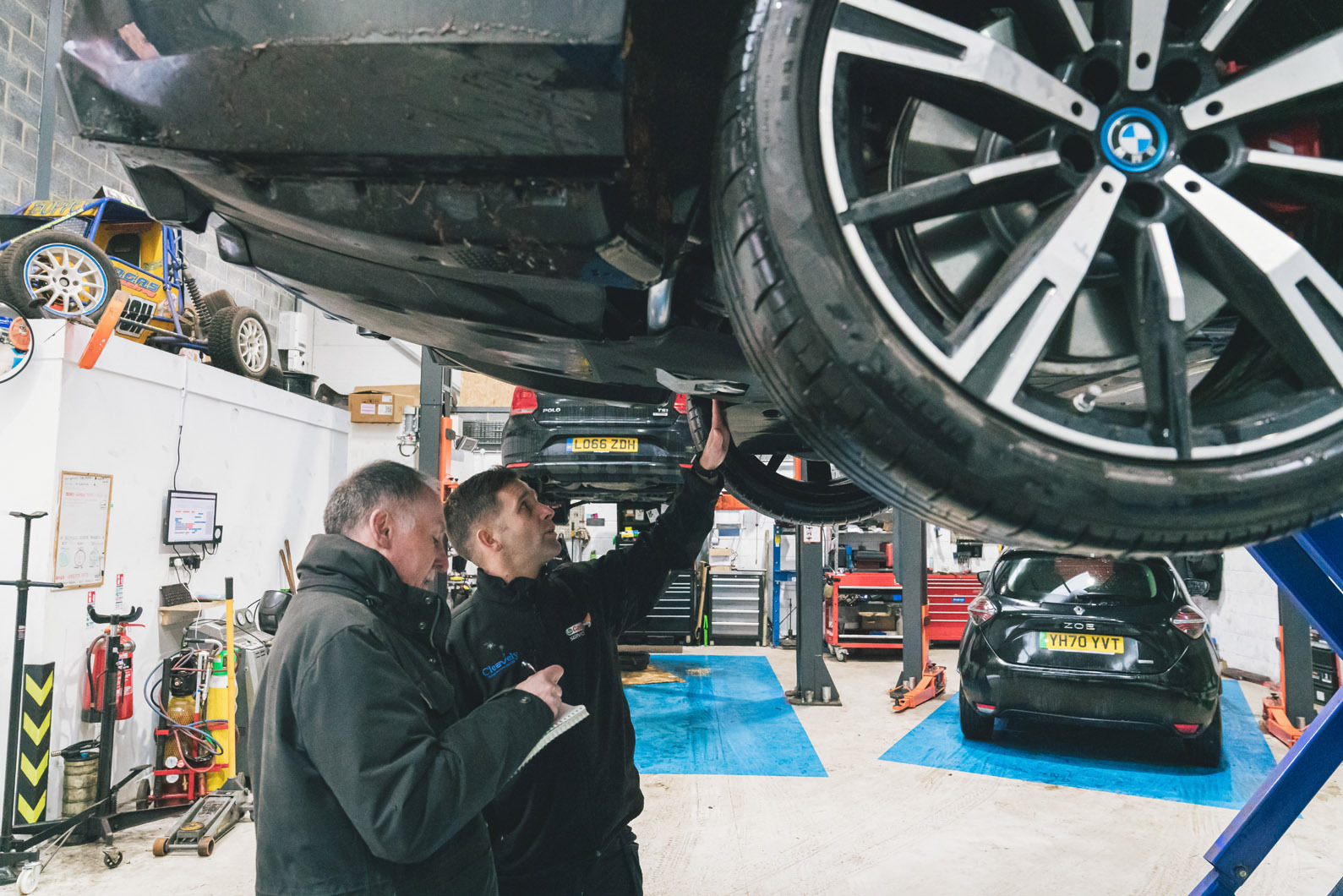
Company car downtime dropped to a six-year low in the first quarter of 2026, as fleets diverted work away from franchised dealers amid ongoing pressure on repair lead times.
Data from Epyx’s 1Link Service Network platform, which manages service, maintenance and repair bookings for 4.9 million company cars and vans, shows vehicles averaged around 1.5 days off the road for workshop visits in January, February and March – the shortest turnarounds since January 2020.

It’s a welcome improvement following a period of disruption that began with the first Covid lockdowns. Shortages of parts, technicians and workshop capacity, exacerbated by an ageing car fleet in the wake of the following semiconductor crisis, all put pressure on the aftermarket, leading to longer lead times for bookings and slower repairs.
According to Epyx, the average lead time for workshop bookings was 11 days at the start of 2020, rising to more than 14 in 2023. Average vehicle downtime increased from 1.57 days to 1.83 in the same period. By March 2026, this had fallen back to just over 10 days for bookings, with vehicles averaging 1.53 days off the road after surging to a 1.91-day peak in December 2025.
However, the company’s strategy director, Charlie Brooks, stressed that the bottlenecks still exist, adding that the biggest contributing factor to the fall in downtime is a younger fleet.

Only a third of 1Link transactions now involve vehicles over three years old, compared with half in 2023, which reduces the number of expensive, time-consuming repairs going through the system.
Meanwhile, only 41% of jobs handled by the 1Link platform over the past six months went to franchised dealers, down from 54% in January 2020, showing fleets are increasingly open-minded about who works on their vehicles if it ensures a faster turnaround.
“Fleets on [the 1Link] platform have invariably got a little bit fed up with ever-increasing VOR [vehicle off-road] times and labour rates,” Brooks told Autocar.
“We see an increasingly large proportion of the of the overall transactions going into the independent network. Fleets are spreading the spreading the load across a wider network than they were pre-Covid.”
Amid ongoing supply issues and a trend towards using independent garages, Epyx is working towards improved visibility for parts and workshop lead times and proactively advising where additional work (such as a cambelt change) could be carried out within the same visit, reducing the risk of breakdowns or the need for separate bookings.
“VOR is concentrated in some sites more than others. A big element going forward is trying to surface that information at the time of booking,” said Brooks.
“If [fleets] have a certain brand [of vehicle] and want to book it into a garage, then we might say that at those franchise dealers the vehicles are off the road for several days, whereas the independent network will get it back on the road very quickly.
“Trying to take that information and bring it forward means you can distribute the vehicle base across the networks that are most suitable for them.”

Related posts






Latest Post


No Comments