
On This Day, The Most Anticipated Game In History Officially Set Its Roots
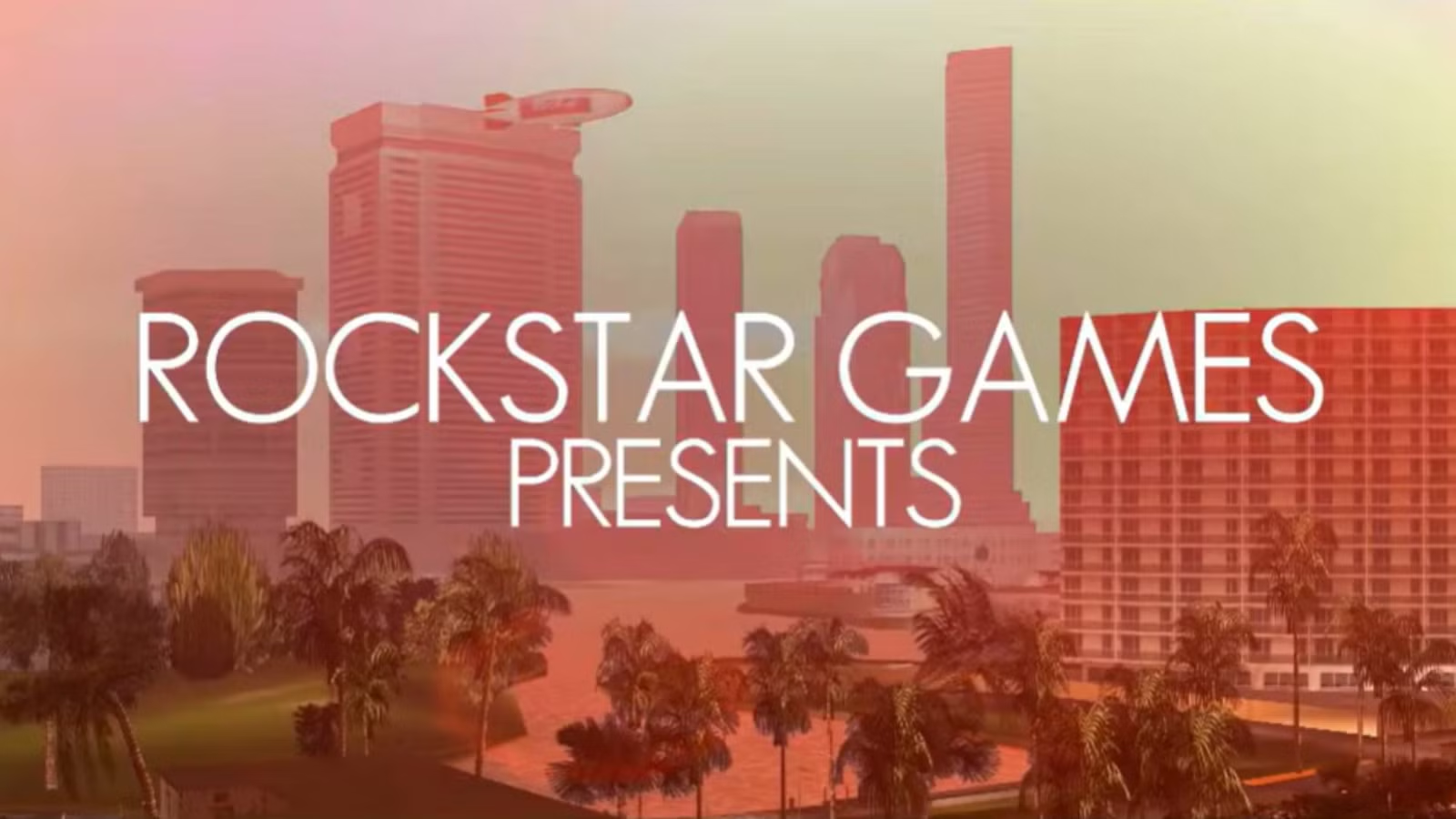
Be honest. How many hours did you spend on Video Games ignoring the mission, swiping a car, cranking the radio, and driving around for absolutely no reason? One release in October 2002 made that the best part of playing. Its sun-soaked streets, outrageous cars, and radio stations packed with ’80s hits sold the fantasy of cruising through a gloriously over-the-top version of 1980s America. For many players, it also turned virtual driving from a tedious stretch between missions into the main event.
Gaming Was Ready For Something Bigger

By the early 2000s, open-world games were getting seriously ambitious. Grand Theft Auto III landed in 2001 and showed everyone how addictive a fully 3D city could be when players were free to make their own trouble. The catch? Liberty City was a blast, but it was gritty and gray, more grimy East Coast than good times. The next step was giving all that freedom some swagger. A convincing city needs more than streets and buildings. It needs a reason to explore, something worth listening to on the drive, and cars that make crossing town part of the fun. That combination was irresistible to car enthusiasts. A virtual garage full of sports cars, muscle cars, motorcycles, and everyday traffic could turn an ordinary trip across town into an adventure of its own.
The Secret Was More Than Just An Open World

The ingredients came straight out of American pop culture. Flashy cars, palm-lined boulevards, crime dramas, and a soundtrack soaked in ’80s excess. The clever part was mashing them together in a world players could explore at their own pace. Cars sat right at the center of it. Jump in, figure out how it handles, go hunting for something faster, or just cruise while the radio sets the mood. The driving didn’t always need a point beyond enjoying the ride. That freedom made the city feel personal. Players picked favorite rides and routes, found hidden corners of the map, and made their own fun between missions. The game understood what every car enthusiast already knows: that sometimes the drive itself is the destination.

Grand Theft Auto: Vice City Changed The Game
Grand Theft Auto: Vice City hit North American shelves on October 29, 2002, and dropped players into 1986 in a fictional coastal city inspired by Miami. Developed by Rockstar North, it followed up Grand Theft Auto III and gave the series a much stronger visual identity. Think pastel suits, neon signs, and sunsets doing a lot of the heavy lifting.
As it turned out, the launch nearly happened a week earlier. Rockstar originally planned to release the game on October 22, 2002, but pushed it back to October 29 so there would be enough copies on store shelves to meet demand. It also launched as a PlayStation 2 exclusive, giving Sony a major title during a fiercely competitive console generation. PC players had to wait until May 2003, and the Xbox version rolled in later that year. The garage sold the fantasy, from sports cars to big American land yachts. Motorcycles made a comeback after a no-show in Grand Theft Auto III, and different bikes actually handled differently.
The cars were fictional rather than licensed, but their designs clearly drew on real-world metal. The wedge-shaped Cheetah, for one, bore a strong resemblance to the white Ferrari Testarossa that Miami Vice made famous. Then there was the radio. Licensed ’80s tracks were spread across stations covering different genres, with DJs who gave the city a personality of its own. Reviewers at the time singled out the audio as one of the game’s biggest strengths. That pairing was the real magic trick. The cars gave players a reason to drive, and the radio made those drives stick. Even a routine run to the next mission could feel like a scene from an old crime film.
How Vice City Became A Pop-Culture Icon
The numbers backed up the hype. Vice City was the top-selling video game in the United States for the four-week periods ending November 2 and November 30, 2002. Sales don’t explain why people still talk about it, though. The pastel colors, loud shirts, and gloriously exaggerated characters built a world you could recognize from a single screenshot.
For car fans, the driving was a huge part of that identity. The game’s fictional cars served up a playful take on the American car scene, where style and attitude counted as much as getting anywhere fast. The music sealed the deal. In plenty of games, the soundtrack fades into background noise, but here it turned every car into a rolling listening room. A familiar song could get permanently welded to a particular road, car, or late-night gaming session. That’s why the game still hits for people who played it decades ago. They remember the missions, sure, but they also remember what it felt like to just be there.
The Kids Who Grew Up With Vice City Are Ready For GTA 6

For a whole generation, Vice City was a gateway to cars, music, and wandering wherever the road went. Some players ground through every mission. Others were perfectly happy stealing a sports car and driving until something shiny distracted them. Now Rockstar is heading back to a modern-day Vice City with Grand Theft Auto VI, scheduled for November 19, 2026, on PlayStation 5 and Xbox Series X|S. The new game has considerably more horsepower under the hood, but the job hasn’t changed. It needs a world players want to live in, cars worth driving, and roads worth exploring. For anyone who remembers the original, that’s half the anticipation. Sometimes the best gaming memories start when you ditch the objective, grab a good car, and see where the road takes you.
Source: Rockstar Games

Related posts
Latest Post


No Comments