Kia’s Niro Hybrid: The 50-MPG Wagon Buyers Wrongly Overlook
7 minutes reading
Sunday, 4 Oct 2026 21:00 0 38 autotech
Walk into a Toyota or Honda showroom looking for an efficient small crossover and you will hear two names. The Kia Niro Hybrid rarely makes the shortlist, which is odd, because the numbers say it should. In its most efficient trims, it is rated at 53 mpg combined. It undercuts its Toyota rival on price, offers more room, and comes with a long Kia warranty. Yet it sells in a fraction of the volume. Here is what the Niro actually offers, where it falls short, and why so many buyers never try it.
Efficiency shoppers tend to arrive with a script. Hybrid means Toyota, small crossover means Honda, and the Corolla Cross Hybrid and HR-V fill most of the list before anyone has opened a browser tab. The Niro gets skipped because it is not part of the script, not because it fails the test.
Kia sells it as a subcompact crossover, and it is not a wagon. But it sits low and long, closer to a tall hatchback than a boxy SUV. One comparison describes it as a dedicated, low-slung, highly aerodynamic hybrid hatchback, while the Corolla Cross Hybrid takes a taller, more traditional crossover shape. That profile explains some of the efficiency gains, and it is part of why the Niro drives like a normal car rather than a lifted one.
Rear 3/4 action shot of 2026 Kia Niro Hybrid driving on roadKia
The lineup is simple. There are four trims, LX, EX, SX, and SX Touring, all using a 1.6-liter four-cylinder plus an electric motor for 139 horsepower and 195 pound-feet of torque combined. There is no gas-only version to dodge and no hybrid up-charge to negotiate. Every Niro you find on a lot is the efficient one. If the numbers are this good, what is the catch? There are a few, and we will address them. But they are smaller than the reputation gap suggests.
The 53-MPG Hybrid That Makes The Familiar Rivals Look Less Compelling
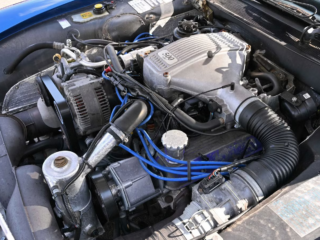
Close-up shot of 2026 Kia Niro Hybrid engine bayKia
The 2026 Niro Hybrid LX, EX and SX are rated by the EPA at 53 mpg city, 54 mpg highway and 53 mpg combined, while the SX Touring is rated at 53 city, 45 highway and 49 combined. The drop on the top trim comes from its bigger wheels. The SX Touring rides on 18-inch wheels, which also reduces the range. Roughly 588 miles for the three lower trims versus 540 for the SX Touring. Even at 49 mpg, the loaded Niro is more efficient than either rival below.
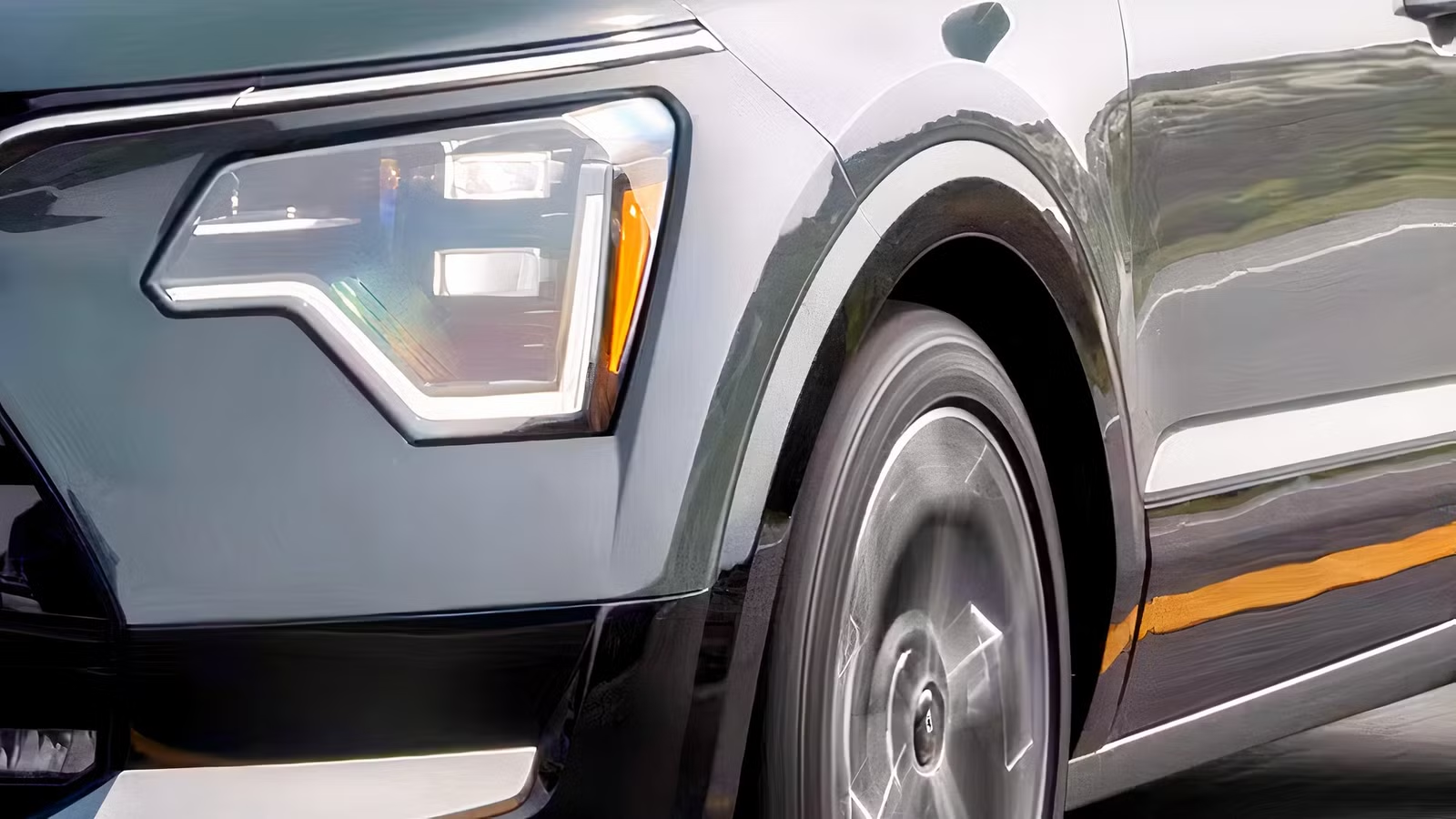
Front 3/4 shot of 2026 Kia Niro Hybrid parked on drivewayKia
The Toyota is the closer rival, and it is not close. The Corolla Cross Hybrid is rated at 42 mpg combined. In city and highway terms, that is 46 and 39 mpg, against the Niro’s 53 and 45 figures for the SX Touring. The Toyota’s shortfall is partly a drivetrain choice. It comes with standard all-wheel drive and 196 horsepower, while the Niro is front-wheel drive with 139. If you live where snow is routine, that AWD is a real reason to pick the Toyota, and the Niro cannot answer it.
Where Cargo Space, Comfort, And Warranty Strength Change The Equation
2025 Kia Niro Hybrid interiorKia
Small crossovers tend to trade space for efficiency, and the Kia Niro trades less than most. It offers 22.8 cubic feet of cargo space behind the rear seats and 63.7 with them folded, against 21.5 and 61.8 for the Corolla Cross Hybrid. There is also a wrinkle that helps the Niro: the hybrid Corolla Cross loses about five cubic feet against its gas-only sibling because the battery takes up room. The Niro was built as an electrified car from the start, so it does not carry that penalty. The bigger difference is passenger room. The Niro has 105.1 cubic feet of passenger volume against 94.9 for the Toyota.
Shot of 2026 Kia Niro Hybrid interior showing front cabinKia
Then there is the warranty, where the picture is more mixed than the marketing suggests. On everything except the hybrid battery, Kia is clearly ahead. Kia offers two extra years and 24,000 more miles of basic coverage, and double the powertrain term. But Toyota’s hybrid battery cover is longer. Toyota covers the high-voltage battery for 10 years or 150,000 miles on 2020 and newer models. Kia’s dealer literature describes a 10-year, 100,000-mile hybrid system warranty covering the high-voltage battery and critical hybrid components.
Why Strong Numbers Still Haven’t Translated Into Strong Sales
2026 Kia Niro Hybrid Front 3/4 shot parkedKia
Kia sold 31,182 Niros in the US in 2025, well below the model’s best year of 36,300 in 2023. One caveat, however, is that Kia reports Niro sales combined with those of the electric version, so the hybrid’s own tally is smaller still. Now the rivals: the Corolla Cross reached a record 99,798 in 2025, though that figure covers gas and hybrid versions together. The HR-V delivered 148,771. The gap is not closing. Through August 2026, the Corolla Cross has sold 80,355 units, up 20 percent, and the HR-V 96,164, while the Niro sits at 18,472. The Niro is growing, but from a low base.
Why? First, familiarity. Toyota has spent decades building the idea that hybrid means Toyota. Buyers who want a hybrid often start and end with that badge, and the shopping journey never reaches Kia. Second, the Niro lives in a crowded family. Kia sold 182,823 Sportages in 2025, so the Niro competes for attention within its own showrooms against a far bigger seller.
2027 Kia Niro HEV rear 3/4 shot driving on the roadKia
Third, the product itself has real hesitations. Front-wheel drive only. A modest 139 horsepower. A dual-clutch gearbox that some shoppers find less smooth than a CVT. Those are fair reasons to pass. They are not, however, reasons to skip the test drive entirely.
The Overlooked Hybrid’s Case For A Smarter, Lower-Cost Ownership Decision
Ownership cost starts with the sticker. Compare like with like: $28,885 for the 2026 Niro LX against $31,045 for the Corolla Cross Hybrid S AWD. That is a gap of around $2,100 before accounting for the fuel savings noted above. Some comparisons quote the gas-only Corolla Cross, which is cheaper than the Niro. That is the wrong comparison for a hybrid shopper, though.
The used market gives a more complicated picture. A cheaper used Niro is good news if you are buying. It is a warning if you are the one who will eventually sell, because iSeeCars suggests the Toyota badge holds value better.
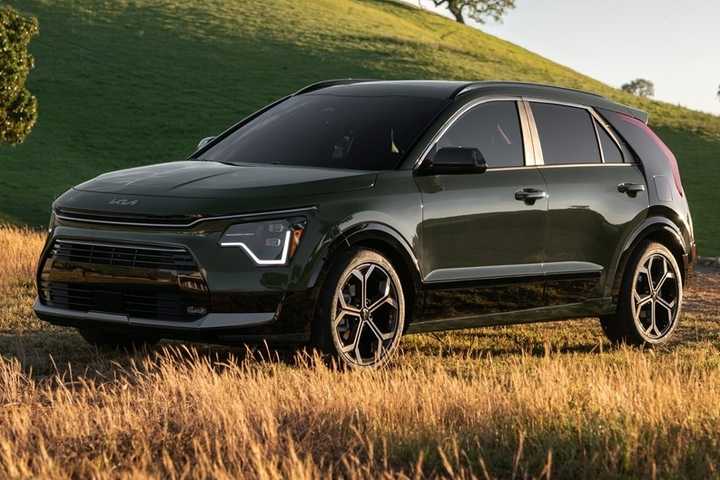
Rear 3/4 shot of 2025 Kia Niro in green parkedKia
The warranty adds a wrinkle for used buyers too. Kia’s 10-year powertrain cover applies to the original purchaser and to Certified Pre-Owned buyers. For a private second owner it reverts to five years or 60,000 miles. If you plan to buy used, a Kia Certified Pre-Owned example is the way to keep the long coverage. So who should buy a Niro? An efficiency-first buyer in a mild or dry climate who wants low running costs, real rear-seat room, and a longer basic warranty. Who should not? Anyone who needs AWD, wants brisk acceleration, or plans to sell quickly and cares most about resale.
Base Trim Engine
1.6L I4 Hybrid
Base Trim Transmission
6-speed auto-shift manual
Base Trim Drivetrain
Front-Wheel Drive
Base Trim Horsepower
103.5 HP @5700 RPM
Base Trim Torque
106.3 lb.-ft. @ 4000 RPM
Base Trim Fuel Economy (city/highway/combined)
53/54/53 MPG
Base Trim Battery Type
Lithium polymer (LiPo)
Make
Kia
Model
Niro
Sources: Jalopnik, Kelley Blue Book, iSeeCars & Carscoops












No Comments