
If supermarket fridges can be hacked, can your connected car?
Connectivity brings significant benefits to modern motoring – but there are risks involved

Why on earth would you connect a fridge to the internet?
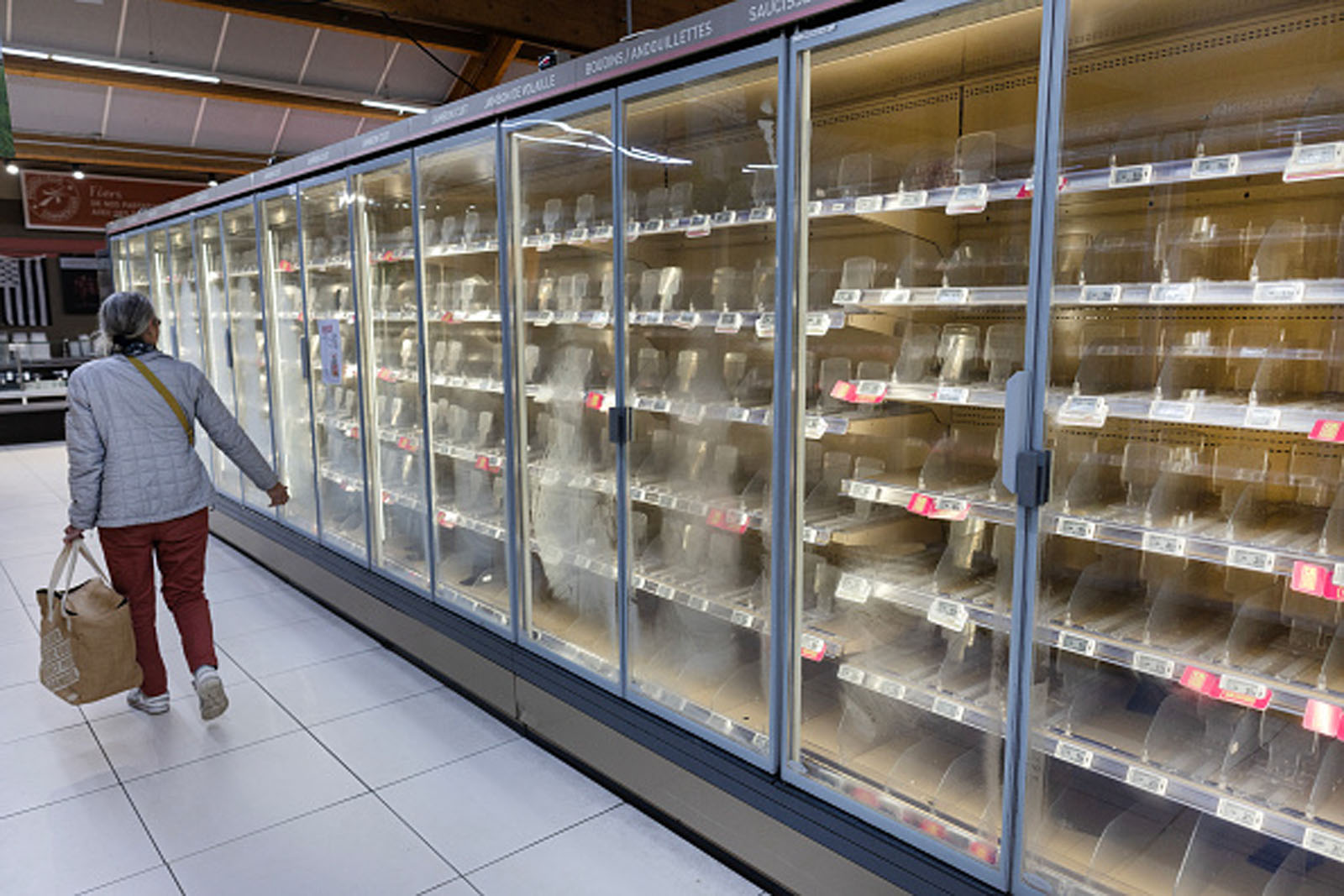
It’s a question not unreasonably being asked after hackers turned off or turned up loads of shops’ connected chillers across Europe, ruining hundreds of tonnes of food.
A sensible enough question—but also one with a sensible answer. Connecting chillers to the internet means that, rather than installing a freezer, hoping it works and only finding out differently when the ice cream melts, specialists can remotely monitor hundreds of machines to ensure they’re maintaining the right temperature and using the right amount of energy. It also helps them quickly find faults, identify trends and, if somebody comes into a shop complaining that their fish is off, know how those items were stored. If a retailer knows all of this all the time, it has more efficiency and accountability, which ought to make quality better and food cheaper.

A connected fridge is therefore a good idea, right up until it isn’t. That point is when Dmitry in a Russian cyber warfare lab wants to cause you inconvenience, cost your country money and undermine your support for Ukraine. Or when Brandon in his mum’s basement, who’s simply doing it for the lolz, decides to spoil millions of pounds’ worth of food by turning the fridges up as high as 100deg C. (Another reasonable question: why can they go so high?)
Then connectivity seems a very bad idea. Or at least neglecting to change the password from the factory default one listed in the manual does.
But there are lots of ostensibly good reasons to connect oodles of devices (expanding the “internet of things”), until very suddenly they seem like bad ideas.
A few specialist cars aside, pretty much every new car is connected and has been in some form for some time. Vulnerabilities have been exposed from the start. In a 2015 controlled demonstration for Wired magazine, researchers hacked into and took control of a moving Jeep Cherokee, prompting a recall of 1.4 million cars.
Things have moved on since then and today’s automotive systems are rather more robust — thankfully, because a conventional new car could have a by-wire throttle, by-wire brakes and a motorised steering column.
But now they have more connections and vulnerabilities are still being exposed, happily mostly by researchers. They tend to be less about seeking control of a car and more about stealing customers’ data, but only last year ethical hacker Sam Curry exposed a vulnerability in American, Canadian and Japanese Subarus that let him, among other things, remotely start or stop them.
It wouldn’t take a huge number of them to cause the kind of inconvenience that’s in the current cyber attackers’ playbook.
Using Washington DC as a case study, researchers at the University of Maryland estimated that only 14% of intersections would need to be jammed by disabled cars, or just 2% of traffic lights would need to be turned off, in order to make half of all the city’s roads inaccessible.
And “not all attacks need to be of this magnitude to cause issues”, they said. “By targeting a much smaller percentage of vehicles and intersections, attackers can cause traffic to be redirected to less optimal routes, turning an hour-long commute into several hours.”
Costing us money and inconvenience is very much the comfortable area in which cyber attackers operate. Last year’s cyber attack on JLR, recently reported to have been Russian-backed, cost the company around £2.1 billion. Oxford University discovered in 2023 that DC fast charging could be disrupted by devices up to 47 metres away: no biggie at the local services, but what if someone were to do that to a fleet of food delivery trucks or emergency vehicles?
In 2024, two hackers did hack Transport for London, causing the local authority to take 148 IT systems, including live travel data, offline (the pair were sentenced to prison in July this year). In August, Slovakia found its newly acquired traffic cameras had Russian backdoor access.
Someone, as you read this, might be trying to find a way to make our lives expensive and/or difficult: blocking our roads, stopping your car, or retuning the radio to Jeremy Vine. Not acts of war (Vine aside) but hard to do anything about. It’s why even the prime minister says he has a stockpile of food—but, unlike with cans of soup, it’s not easy to be a prepper for gridlock.
One can only hope that the people in charge of the mobility industry’s security are working just as hard as hackers are — and are rather better at it.

Related posts






Latest Post


No Comments