
Hyundai Is Discontinuing The Santa Cruz To Build A More Capable Pickup
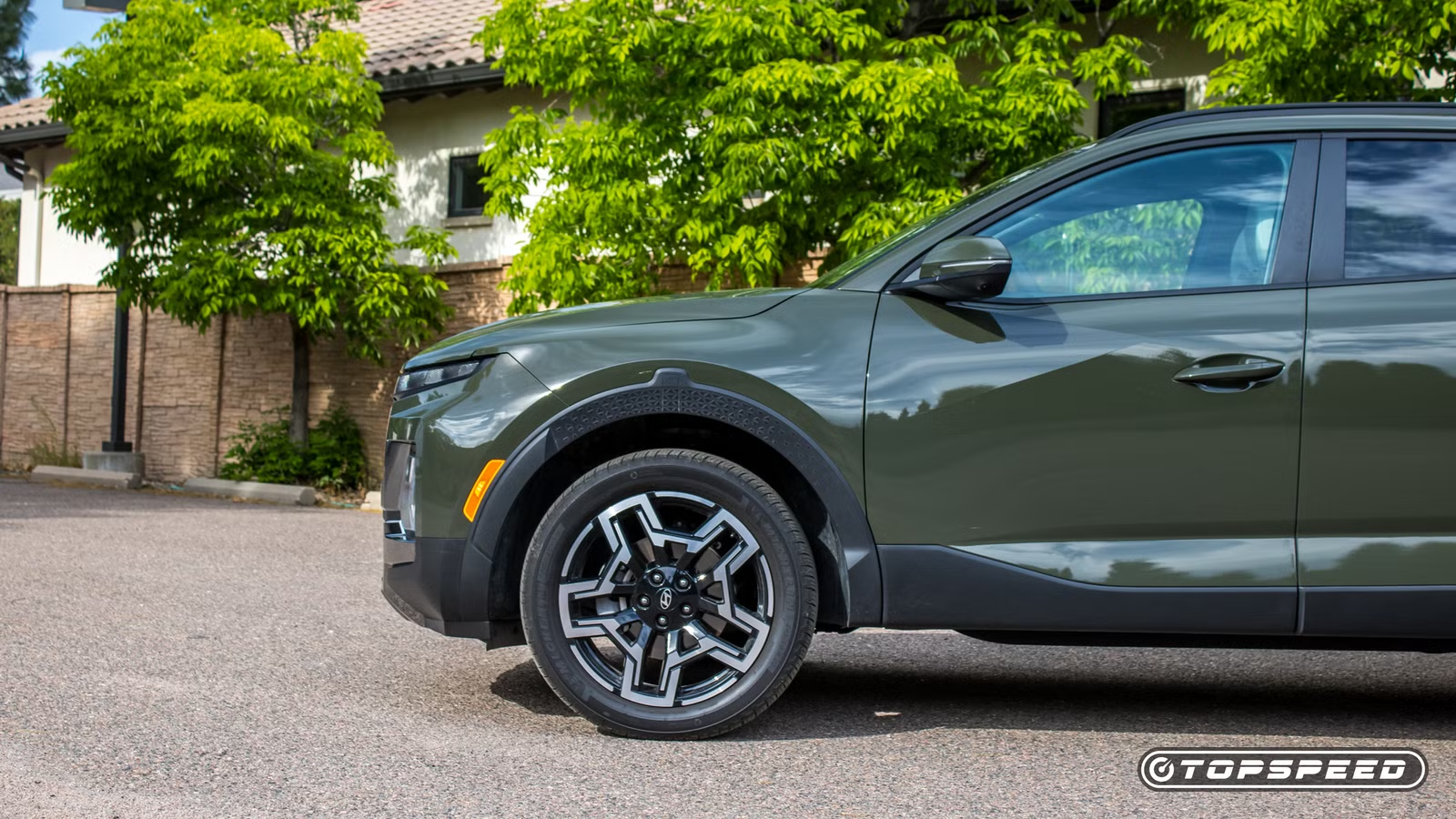
Hyundai has confirmed it will discontinue the Santa Cruz and replace it with a more conventional body-on-frame pickup—a direct acknowledgment that the unibody compact truck experiment has run its course. The announcement, which surfaced in late January 2026, marks one of the clearest admissions yet that Ford’s approach to the compact truck segment has set the standard everyone else must now follow.

The Santa Cruz launched in 2021 as a genuine swing at a different kind of truck: car-based, unibody construction, front-wheel-drive-biased, and aimed squarely at lifestyle buyers who wanted a bed without the bulk of a full-size truck. It was a clever idea. It just wasn’t enough of a truck for enough buyers—and Hyundai has now drawn that conclusion publicly.
Why Unibody vs. Body-on-Frame Actually Matters Here
The distinction between unibody and body-on-frame construction isn’t just engineering trivia—it determines what a truck can actually do. A unibody pickup, like the Santa Cruz or the Honda Ridgeline, integrates the body and frame into a single structure. That makes the vehicle lighter, more car-like to drive, and cheaper to develop, but it caps towing and payload capacity and limits the suspension geometry that serious off-road use demands.

Body-on-frame trucks—the Ford Maverick’s steel ladder frame, the Ranger, every full-size on the market—separate the cab and bed from a dedicated chassis. That adds weight and cost, but it also enables real tow ratings, higher payload numbers, and the kind of ground clearance and suspension articulation that buyers in truck-heavy markets actually use. Hyundai’s pivot to body-on-frame is, in practical terms, a decision to build a truck that can be compared to the Maverick on the Maverick’s own terms rather than carving out a separate niche.
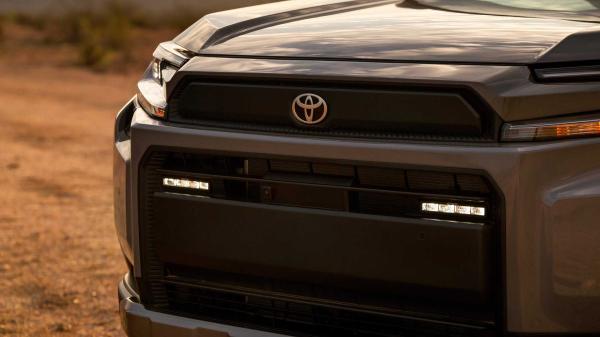
Toyota’s New RAV4-Based Truck Could Finally Revive The Compact Pickup
Toyota’s long-awaited return to the compact-truck segment may hinge on the RAV4’s unibody architecture.
Santa Cruz Sales: Niche Hit, Not a Mainstream Win

The Santa Cruz was never a disaster, but it never broke through either. It found a real audience—urban buyers, outdoor enthusiasts, and people who wanted a bed for weekend gear without committing to a full truck—but that audience had a ceiling. The Maverick, which launched around the same time, outsold it consistently and demonstrated that buyers in the compact segment were willing to go conventional if the price and capability were right.
Hyundai’s own framing of the decision, reported by Automotive News in January 2026, describes the move as a plan to drop the Santa Cruz in favor of a “more capable “pickup”—language that implicitly concedes the current truck’s limitations. The company isn’t abandoning the segment; it’s recalibrating for what the segment actually rewards.
What Hyundai’s Next Pickup Is Expected to Look Like

Details on the replacement are still limited, but the direction is clear: body-on-frame construction, a rear-wheel-drive-biased layout, and a capability profile that can compete directly with the Maverick and, further up, the Ranger. No confirmed powertrain has been announced publicly, and a launch timeline has not been locked in as of mid-2026. What Hyundai has signaled is the architecture — and that choice alone tells you the intended customer.
A RWD-biased body-on-frame truck opens the door to higher tow ratings, a proper payload rating, and the option for four-wheel-drive hardware that truck buyers in markets like Texas—where pickup sales are driven by genuine work use—actually expect. It also means Hyundai will be competing on a level platform with Ford rather than trying to convince buyers that a crossover-derived bed is a reasonable substitute.
What This Means for the Compact Truck Segment

Hyundai’s move is the clearest signal yet that the unibody compact truck, as a distinct category, has failed to capture the mainstream. The Honda Ridgeline has survived in its lane, but it has never threatened the Maverick’s volume, and buyers reconsidering the Ridgeline’s unibody setup—a trend noted by observers tracking the segment in mid-2026—suggest the appetite for compromise-architecture trucks is narrowing further.
If Hyundai, with the resources and engineering depth to sustain a niche product, has decided the only viable path is to match Ford’s formula, that’s a verdict on the format. It doesn’t mean unibody trucks disappear—Toyota has been rumored to be exploring a RAV4-based truck of its own—but it does mean the segment’s growth is going to body-on-frame, and anyone who wants volume will need to follow. For compact-truck shoppers, the practical outcome is more genuine competition for the Maverick at a spec level that actually matters: towing, payload, and off-road geometry rather than fuel economy and parking ease.
Hyundai isn’t retreating from compact trucks—it’s betting that the only way to win is to build one that buyers don’t have to talk themselves into. That’s a reasonable conclusion. It’s also a quiet admission that Ford got the formula right.
Sources: Automotive News, Carbuzz, HotCars

Related posts



Latest Post


No Comments