
How John DeLorean Sold 112,486 Duesenberg-Flavored Pontiacs In A Single Year
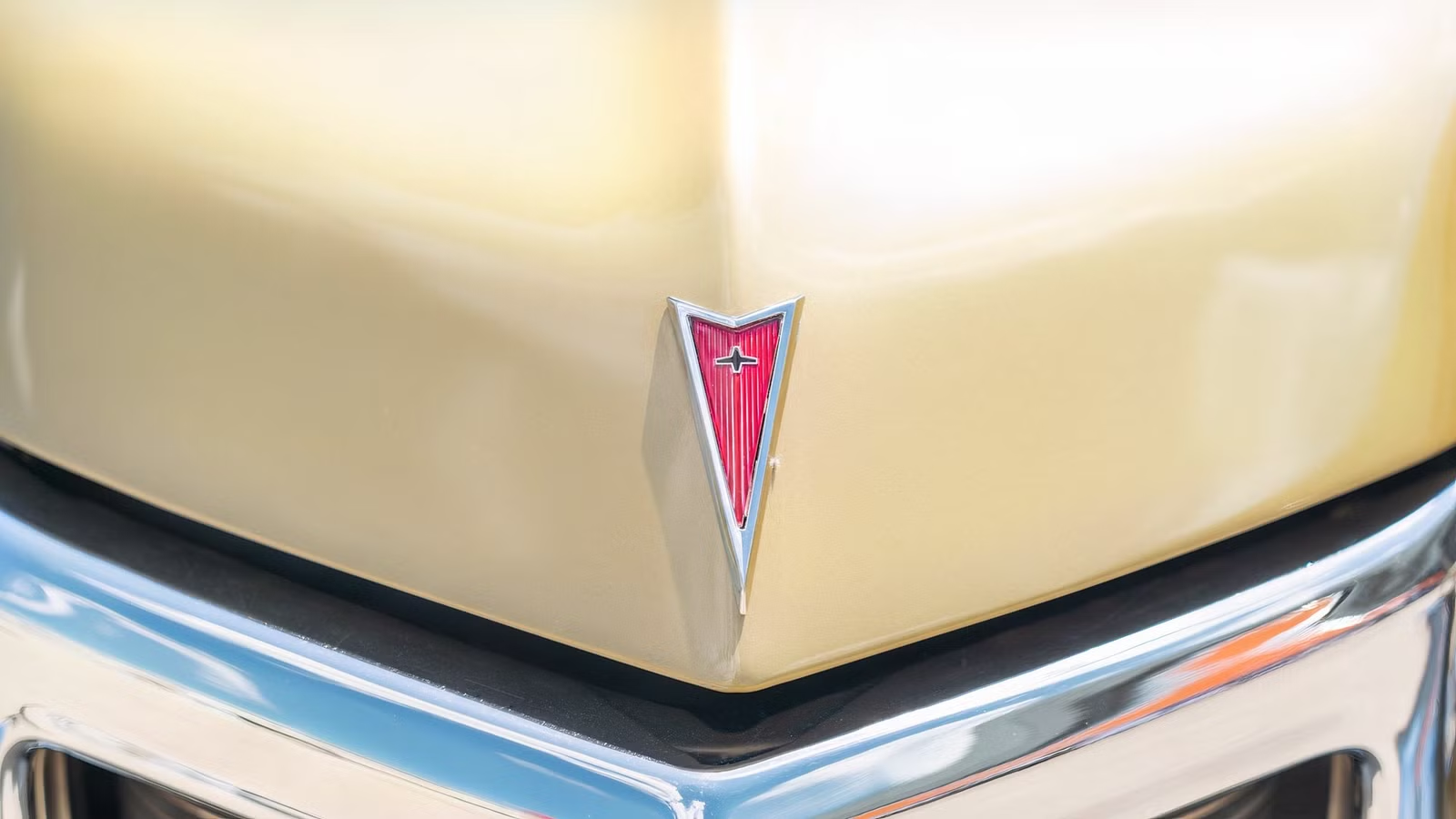
John DeLorean had a different idea for Pontiac. Instead of building another muscle car, he wanted to sell buyers the look and feel of an expensive luxury coupe without charging them Cadillac money. The recipe called for a long hood, a powerful V8, and styling that suggested something far more exclusive than an ordinary Pontiac. In 1969, the strategy paid off spectacularly, with 112,486 Pontiac Grand Prix models produced. But the sales boom wouldn’t last forever. The car’s rise and subsequent decline reveal both the appeal and the limits of DeLorean’s gamble.
Why Personal-Luxury Buyers Wanted More Than A Muscle Car

By the late 1960s, Pontiac had established itself as a performance brand, but not every buyer wanted a stripped-down street machine. Some wanted a comfortable coupe with a powerful engine and an interior that felt special. The Ford Thunderbird and Buick Riviera already catered to this market, while Cadillac’s Eldorado sat further up the luxury ladder.
DeLorean saw room for Pontiac between those worlds. Rather than compete directly with full-size luxury cars, the company could offer similar visual appeal and performance at a more accessible price. The Grand Prix needed to look expensive without actually being expensive by luxury-car standards.
A Longer Hood Changed The Whole Proposition
The solution involved moving the Grand Prix from its full-size chassis to a stretched intermediate platform. Its 118-inch wheelbase and long hood gave it the proportions of a much more expensive personal-luxury coupe. Pontiac also fitted bucket seats and a driver-focused dashboard that wrapped around the cockpit.

With a starting price of roughly $4,200, the Grand Prix offered buyers a distinctive alternative to the established luxury coupes. It wasn’t simply a smaller car with nicer trim. Pontiac was selling a different identity, one that kept the brand’s performance credentials while giving buyers a taste of prestige.
The 1969 Pontiac Grand Prix Borrowed From Duesenberg

The redesigned Grand Prix arrived in 1969 with an identity that reached beyond Pontiac’s usual performance image. The standard model wore the Model J designation, while the higher-performance version was called the Model SJ. Both names evoked Duesenberg’s prestigious prewar automobiles, including its celebrated Model J and Model SJ.
The connection was ambitious, but the Grand Prix’s styling helped make the comparison understandable. Its long hood, short rear deck, and restrained detailing gave it a presence that distinguished it from more conventional intermediates.
112,486 Cars Proved The Gamble Could Work

Grand Prix production jumped from roughly 32,000 cars in 1968 to 112,486 in 1969. The redesign found an audience in a big way.
The SJ added serious performance, with its 428-cubic-inch V8 rated at 370 horsepower or 390 horsepower in the high-output version. Still, the engine wasn’t the entire attraction. Buyers were getting performance wrapped in a more upscale package.
Then came the reversal. Production dropped to 65,750 in 1970, a decline of more than 40%. Competition from cars such as Chevrolet’s Monte Carlo and changing market conditions made it harder to sustain the initial rush. DeLorean had identified a successful niche, but the first year’s sales proved difficult to repeat.
The Hurst SSJ Took Pontiac’s Luxury Pitch Even Further

The Hurst SSJ represented the Grand Prix concept at its most extravagant. Introduced in 1970, the specialty conversion added distinctive styling and equipment that made the car stand apart from a regular Pontiac. Gold accents, special badging, American Racing wheels, and an available electric sunroof gave it a more exclusive appearance.
The conversion cost approximately $1,200 extra, a substantial premium for a car that already carried a higher price than ordinary intermediates. The SSJ wasn’t intended to win buyers looking for the cheapest V8. It appealed to those willing to pay more for something unusual.
Mobile Phones Made The SSJ Feel Ahead Of Its Time
Some SSJs featured early mobile telephone equipment and digital-computer technology, unusual luxuries in an era when such devices were far from common in everyday cars. These features reinforced the idea that the Pontiac Grand Prix could be more than a performance coupe with fancy trim.
Approximately 486 SSJs were produced between 1970 and 1972. There is a small discrepancy in the published figures: the annual totals of 272 in 1970, 157 in 1971, and 60 in 1972 add up to 489. The overall production figure should therefore remain approximate rather than being presented as an exact total.
The SSJ never matched the regular Grand Prix’s sales volume, but it demonstrated how far Pontiac could push the personal-luxury idea when exclusivity took priority over affordability.
Today’s Grand Prix Values Show What DeLorean Got Right

The Grand Prix’s current collector values suggest that its appeal extends beyond nostalgia for a big V8. According to Hagerty’s market analysis, the median value of a 1969–72 Grand Prix in good condition is $57,700. The comparable figure for a 1970–72 Chevrolet Monte Carlo is $36,300.
That’s a $21,400 difference between two cars built on related GM underpinnings. These are condition-specific valuation estimates, not guaranteed selling prices, but the gap suggests collectors recognize the Grand Prix’s distinctive styling and historical position.
The Platform Even Reached The Ultra-Luxury Market

The Grand Prix’s platform also served as the foundation for the Stutz Blackhawk revival, launched in 1971. Styled as an extravagant, hand-built luxury coupe, the Blackhawk showed how the Pontiac’s basic proportions could support a car aimed at a very different price bracket. The connection involved a platform capable of underpinning a far more exclusive machine.
DeLorean didn’t need to turn a Pontiac into a Cadillac. He found a DeLorean way to give buyers the presence of a luxury coupe, the performance of a Pontiac, and a price that was easier to justify. The 1969 sales figures showed how well that formula could work. Today’s collector market suggests the Grand Prix’s unusual combination still has value.
Sources: Hagerty

Related posts


Latest Post


No Comments