
How Harley-Davidson Addressed Its Milwaukee-Eight Engine Reliability Concerns
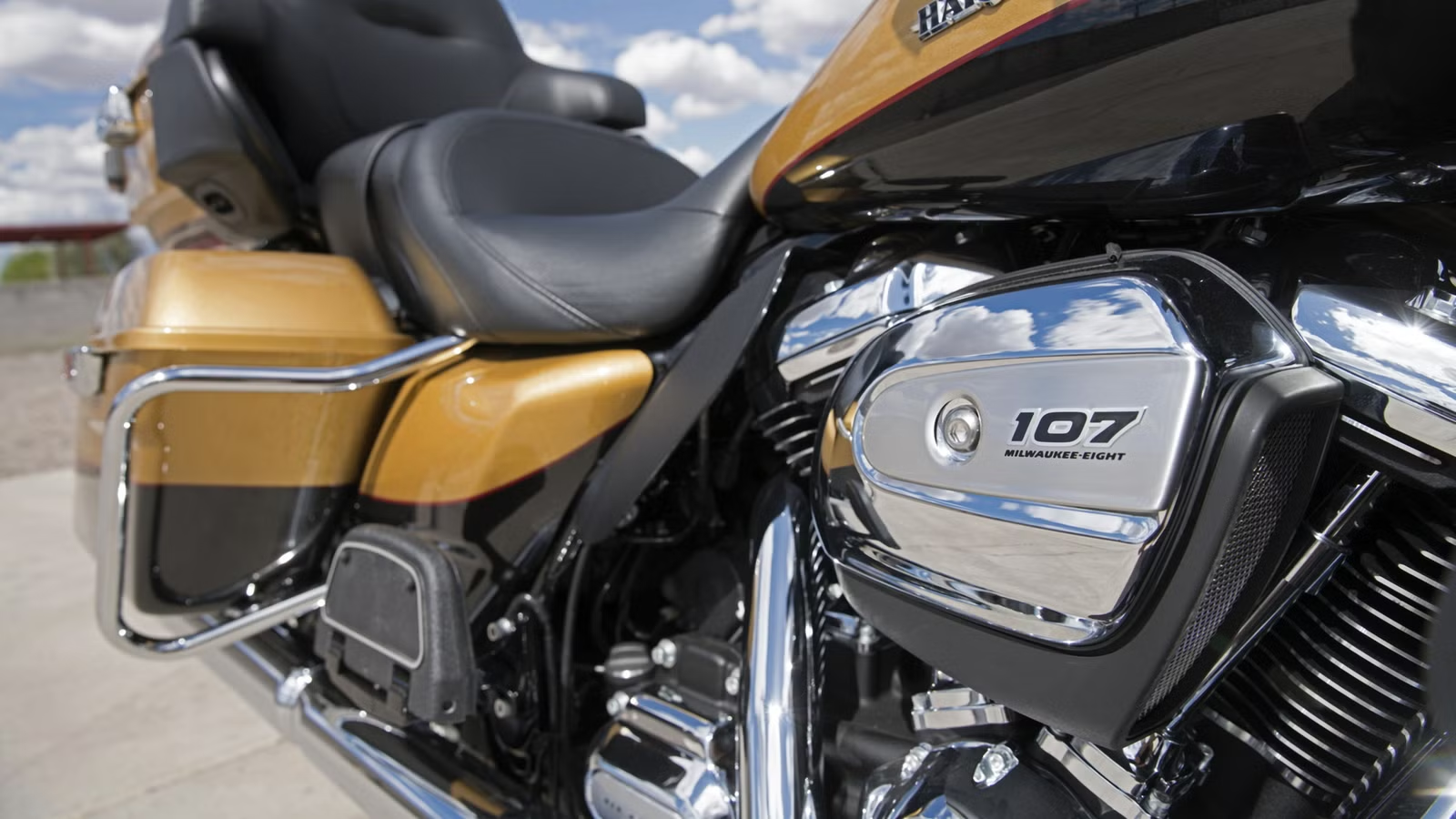
The Milwaukee-Eight brought Harley-Davidson into a new era of engine design, but its introduction wasn’t without growing pains. Early engines developed oiling-related problems that raised legitimate questions about long-term reliability, particularly among owners who expected to put serious miles on their motorcycles. I’ve spent enough time around Harley engines to know that an oiling problem deserves attention before it becomes a much more expensive mechanical failure. Harley-Davidson recognized some of those shortcomings and made several changes to address them. Here’s what went wrong, what the company changed, and what those revisions mean for Milwaukee-Eight owners today.
Harley-Davidson Made Changes To The Milwaukee-Eight’s Oiling System
The Early Milwaukee-Eight Had Some Growing Pains

When the Milwaukee-Eight arrived for the 2017 model year, it represented a substantial change from the Twin Cam it replaced. The new engine brought four-valve cylinder heads, improved cooling, and a revised lubrication system, but early production engines developed some issues that Harley-Davidson couldn’t ignore. The most significant involved oil sumping. In simple terms, sumping occurs when oil accumulates in the crankcase faster than the scavenge side of the oil pump can remove it. The resulting excess oil creates additional drag on the rotating assembly, potentially robbing the engine of power and producing excessive engine braking.
Oil Pressure Doesn’t Tell The Whole Story

I’ve always considered oil circulation one of the most important things to understand when diagnosing an engine problem. An engine can have adequate oil pressure and still have a problem moving oil where it needs to go. That’s an important distinction with the early Milwaukee-Eight because simply checking the oil level or pressure doesn’t necessarily tell the whole story. Harley-Davidson addressed the issue through revised oil-pump components, followed by additional service guidance for affected motorcycles. The company also made improvements to the oil filter to accommodate the engine’s lubrication requirements.
What Went Wrong With Early Milwaukee-Eight Engines
Oil Sumping And Inadequate Scavenging


Harley-Davidson’s Service Bulletin M1450 specifically addressed 2017–2019 Milwaukee-Eight motorcycles experiencing loss of power or excessive engine braking. The bulletin identified sumping as a possible cause, particularly following extended operation at high rpm or under heavy engine load. That’s not a condition I’d dismiss as an inconvenience. When oil collects in the crankcase instead of returning efficiently to the oil tank, the engine has to work against that excess oil. Depending on the severity, the condition can contribute to increased mechanical stress and engine damage.
Not Every Sumping Problem Had The Same Cause
The precise cause wasn’t necessarily the same in every affected engine. Harley’s diagnostic procedure instructed technicians to inspect the crankcase scavenge O-ring, oil-pump return passages, bypass valve, cylinder-head oil lines, and breather system. Even excessive thread sealant applied during service could restrict a breather passage. I consider that an important distinction because an oil pump that can’t keep up with returning oil and an otherwise adequate pump working against a restricted passage aren’t necessarily the same problem. A proper diagnosis matters before replacing components.
Oil Transfer Between The Transmission And Primary

Another concern involved oil moving from the transmission into the primary chaincase on certain 2017–2019 Touring models. Harley-Davidson addressed this through Service Bulletin M1492, which introduced an inner-primary vent service kit for motorcycles experiencing significant oil transfer. The company instructed dealers to verify the condition rather than install the kit as a preventative measure.
The bulletin established a specific threshold for identifying excessive transfer, helping technicians distinguish an actual problem from normal fluid-level variation. This was a separate issue from engine oil sumping, and I wouldn’t lump the two together simply because both involved oil. They affected different parts of the powertrain and required different diagnostic procedures.
How Harley-Davidson Addressed The Problems
The Revised Milwaukee-Eight Oil Pump

The most important change came with a redesigned oil pump introduced on some late-2019 engines and all 2020 Milwaukee-Eight models. Harley-Davidson’s Technical Tip TT466 notified dealers of the revised assembly and explained how to identify it. One of the notable changes involved the return-side gerotor. The original design used a 10-lobe configuration, while the revised pump incorporated an eight-lobe gerotor. The updated assembly was designed to improve oil scavenging and address the concerns associated with the earlier arrangement.
Harley-Davidson also made the revised pump available as a retrofit for earlier Milwaukee-Eight engines. However, the company specified that the updated pump had to be installed as a complete assembly because its internal components weren’t interchangeable with the previous design. That’s an important detail for anyone considering an older Milwaukee-Eight. Model year alone doesn’t necessarily tell you which pump is installed. A properly documented replacement could mean an earlier motorcycle already has the updated assembly.
Improvements To Oil Filtration

Harley-Davidson also introduced an improved oil filter through Service Bulletin M1510 in 2020. The new filter retained the existing synthetic 5-micron filtration media but increased the effective filtration surface area by 25 percent. That additional surface area was intended to accommodate the Milwaukee-Eight’s higher oil flow rate. Harley-Davidson recommended installing the updated filter at the next regular service interval. I wouldn’t describe this filter change as a repair for oil sumping. It addressed a different part of the lubrication system, supporting the engine’s oil-flow requirements rather than correcting the underlying scavenging problem.
Is The Milwaukee-Eight More Reliable Today?

From a mechanical standpoint, the changes Harley-Davidson made addressed legitimate weaknesses identified in early production engines. The revised oil pump was the most consequential improvement, while the updated filter and targeted service procedures provided additional refinements to the lubrication system. That doesn’t mean every Milwaukee-Eight manufactured after 2020 is immune to mechanical problems. No engine deserves that kind of blanket guarantee, and maintenance history still matters considerably. I’ve seen enough engines to know that neglect, improper servicing, and unresolved mechanical symptoms can turn a minor issue into an expensive repair.
What I’d Look For When Buying A Used Milwaukee-Eight

If I were looking at a used Milwaukee-Eight, I’d pay particular attention to its service history. On a 2017–2019 motorcycle, I’d want to know whether the oil pump was replaced with the updated assembly and whether any previous sumping symptoms were properly diagnosed. I’d also check the transmission and primary fluid levels for signs of oil transfer on affected Touring models.
The Milwaukee-Eight’s early reliability concerns were real, but they don’t tell the whole story of the engine. Harley-Davidson recognized problems in the original design, revised important components, and gave its dealers procedures for identifying and correcting specific conditions. Those changes made a difference, and they’re worth understanding before judging the entire engine family by its early production years.

Related posts






Latest Post


No Comments