
How does the UK number plate system work?
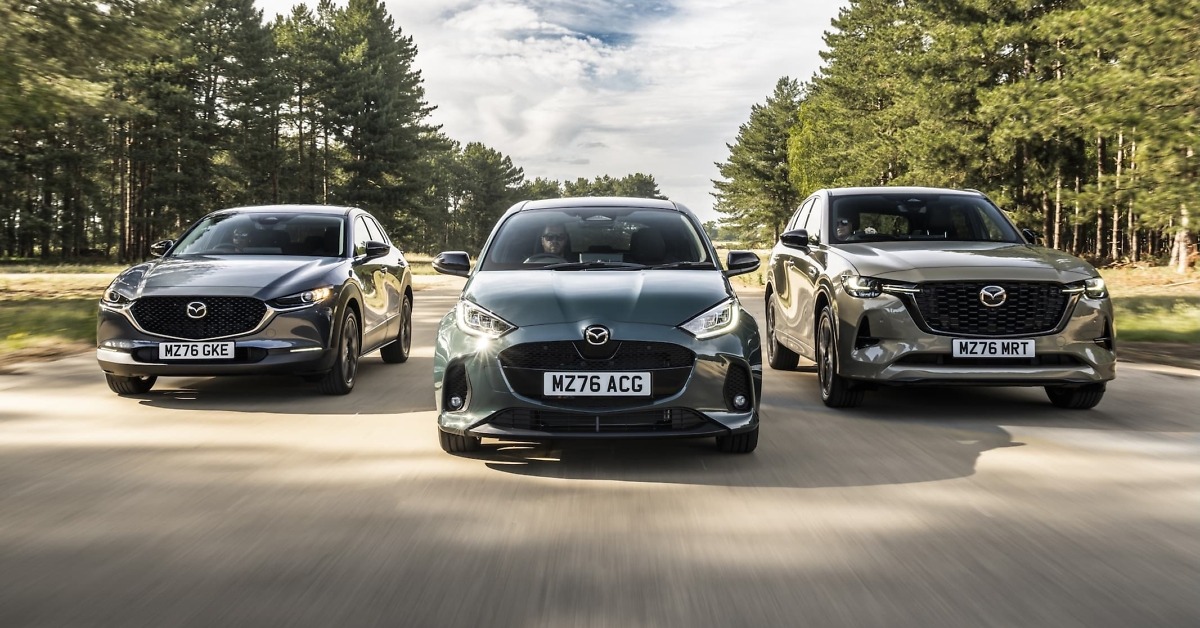
From 1 September 2026 to 28 February 2027, all new cars in Great Britain will have 76-reg number plates (eg – XX76 XXX). The system changes every six months, so the next change (27-reg) will be 1 March 2027.
“What do the letters and numbers on a number plate mean?” is a question we have been asked many times over the years.
The current number plate system in Great Britain has been around since September 2001. Northern Ireland has its own system that is quite different, but here we’re concentrating on the GB system (England, Scotland, Wales).

We’re also not going to discuss any of the previous number plate systems before 2001. The numbering system has changed several times, so maybe we’ll look at previous systems another time.
Current British number plates are arranged in the format of two letters, followed by two numbers, followed by a space and then three letters (eg – XX26 XXX) as shown below.
Prior to Brexit, you could have a blue vertical strip (known as a ‘flash’) down the left side of the plate, with the EU logo and the letters ‘GB’ underneath. These are no longer available for new cars, but are still perfectly legal if you already have them fitted to your current car.

You can, however, display either a Union Flag or a national flag (England, Scotland or Wales) where the EU logo used to be, along with identifier tags underneath (eg – UK, GB, ENG, SCO, CYM).
Electric cars can display a green flash down the left side of the plate, which we explain in detail below.
The first two letters show where the car was first registered
The first two letters are called a ‘memory tag’, which is DVLA-speak for a location identifier for where the car is first registered. This used to be determined by the DVLA office where the registration took place, but the DVLA closed all its regional offices in 2013 and now handles new registrations directly with car dealerships through an online system.
Even though the system is now centralised, dealers still tend to be allocated registration numbers that reflect their region, so (for example) if you are buying a new car from a London dealership, you will almost certainly be allocated a number plate starting with an L.
Other regions of England have their own letter codes; Yorkshire-registered cars start with the letter Y, Hampshire-registered cars start with an H, and so on. If you’re buying a new car in Scotland, it will almost certainly start with an S. For cars registered in Wales, it will start with a C for Cymru.
If you look closely at the list below, you will see that the letters I, Q and Z are not used in any of the two-letter memory tags. This is to avoid any confusion – the letter I could be mistaken for the number 1, the letter Q could be mistaken for the letter O or number 0, and Z could be mistaken for the number 2.

The numbers show when the car was first registered
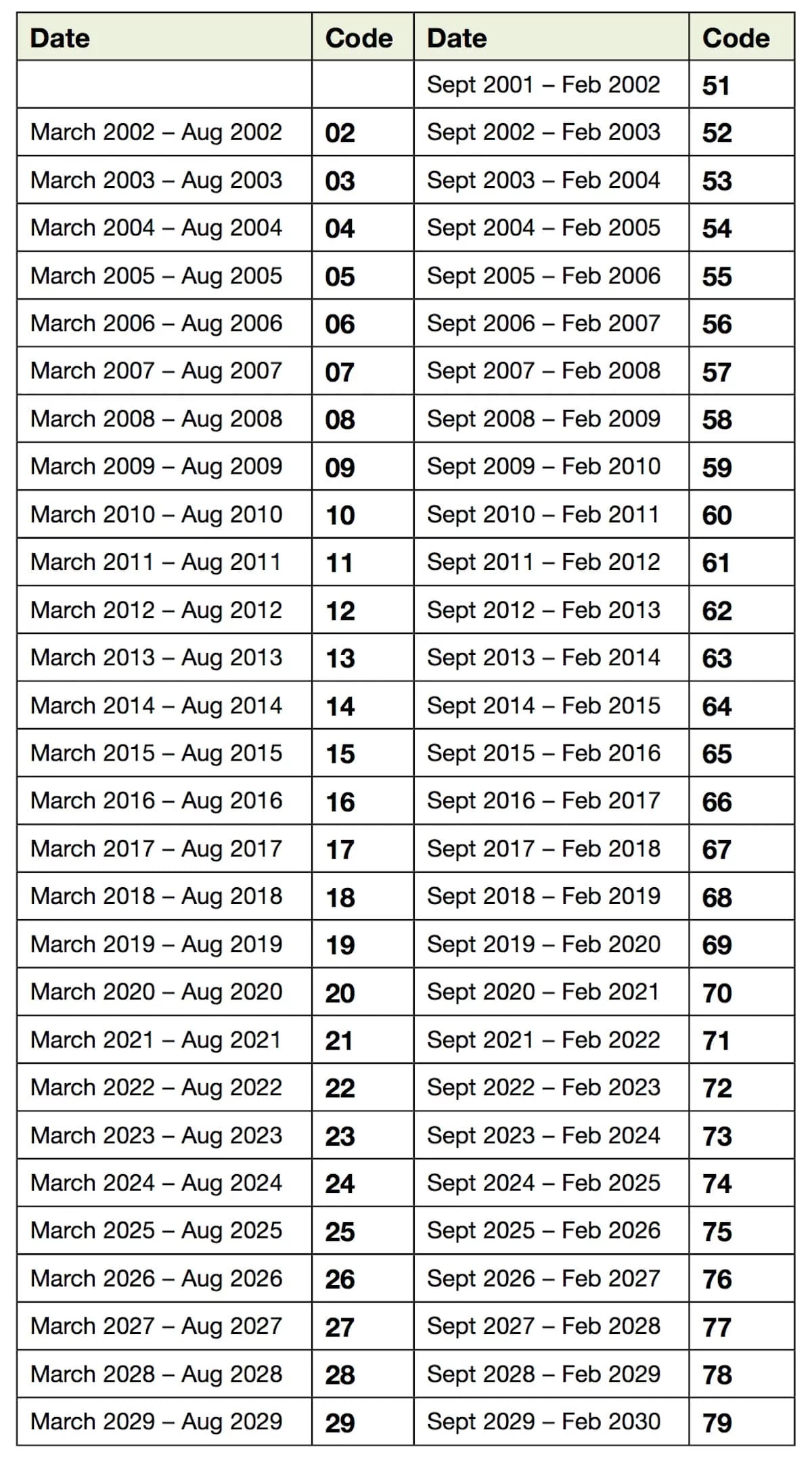
The two numbers are called the ‘age identifier’, which tells you in which six-month period the car was first registered. This system is unnecessarily confusing, but you eventually get your head around it.
The numbers change every six months, in March and September. The March codes are easy to remember as they follow the year of registration (so a car registered between March and August in 2026 has the number 26, a car that was registered between March and August 2005 has the number 05, and so on.).
For cars registered between September and February, it’s slightly more complicated. The numeric code equals the year (as of September) plus 50. So a car registered from September 2026 until February 2027 has the number 76 (= 26 + 50). A car registered in September 2006 – February 2007 has the number 56 (= 06 + 50), and so on.
This means that a car registered in 2026 could have a number plate with any of 75, 26 or 76 on it, depending on which month it was registered. Yes, it’s ridiculous.
In theory, this system will run until February 2051, unless a future government changes it before then.
The last three letters are random
The last three letters are officially random. In practice, dealerships are allocated batches of registration numbers, so your local dealer will probably have a run of consecutive letter combinations. When they have used up all of that allocation, they will be assigned another batch. So it’s not technically random, but close enough.
Again, the letters I and Q are not used because they can be confused with 1 and O, although Z is apparently fine for this section of the number plate.
The DVLA withholds any combinations that may be considered offensive or sweary – we won’t give you any examples, but you can use your imagination…
Personalised number plates are a whole different story and are not covered here but, again, the DVLA will censor anything it considers inappropriate or offensive.
What does the green strip mean on some number plates?
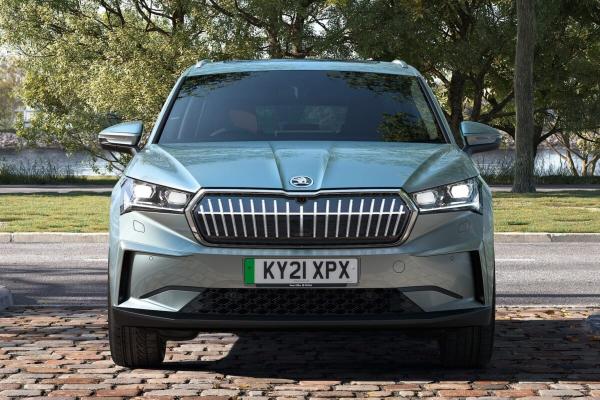
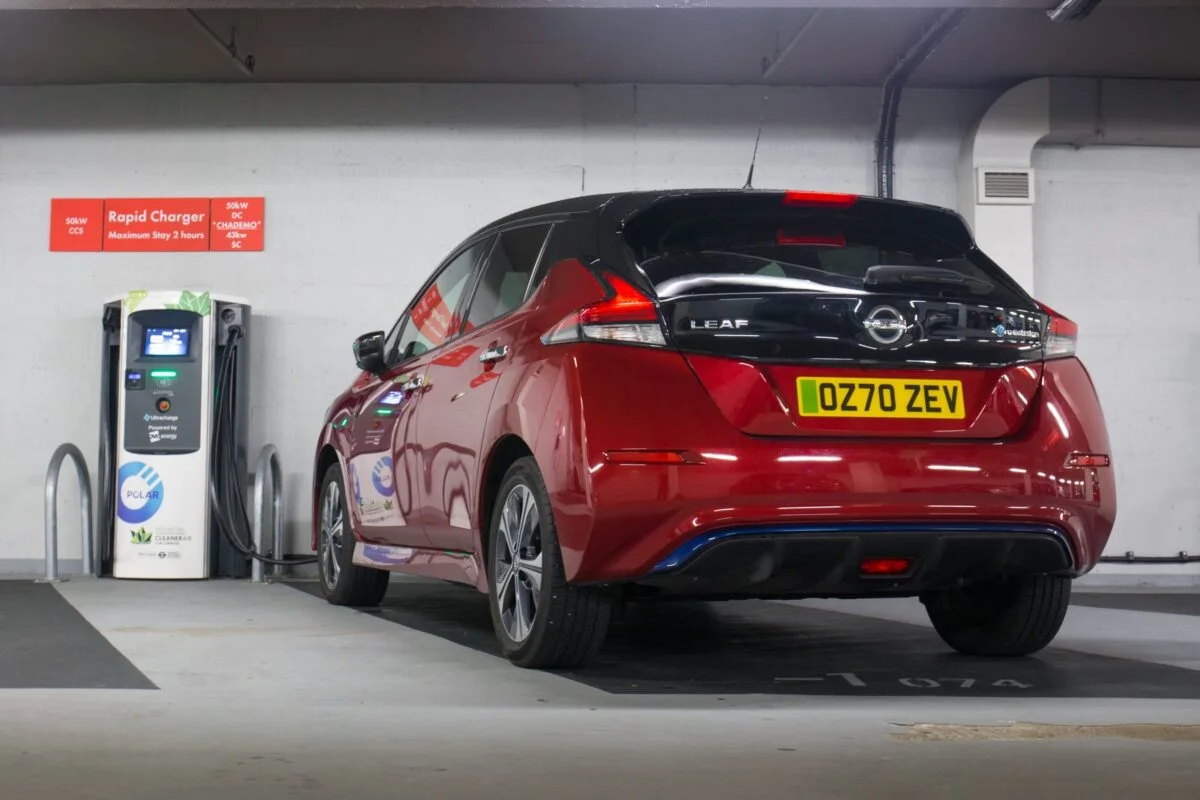
You may have seen that some cars now have a green flash on the left of the number plate, in the same place where the blue EU identifier used to be. This is an identifier for electric cars, introduced in late 2020 (70-plate cars).
The purpose of the green flash is to allow authorities to easily identify electric cars, which may be eligible for cheaper parking, priority parking or use of specific lanes, exemptions from taxes like London’s Ultra Low Emission Zone, and so on.
It’s not compulsory to have these “green plates” on your electric car if you don’t want to shout about it, but uptake seems to be increasing as EVs become more popular.
You may also like:
Number plate trivia
- It’s possible to have an ‘old’ number plate on a ‘new’ car, as the DVLA sells number plates that it thinks have a high commercial value. So you could put a ’56’ plate (Sept 2006 – Feb 2007) on a new 2026 car if you like. This is fairly common with people trying to make words out of their number plate, or owners trying to conceal how old their car really is.
- However, you can’t have a newer number plate code than the one allocated for that car’s date of registration. So you couldn’t put a ’26’ or ’75’ plate (which are 2026 plates) on an older car, to reverse the example above.
- When you change cars, you are allowed to keep your number plate if you don’t want to have to remember a new number every time you change your car. It simply involves giving the DVLA an unnecessarily large amount of money, filling in an unnecessarily large amount of paperwork and waiting an unnecessarily long time for them to get around to processing it…
- It’s illegal to use different fonts or to space the letters in any way other than as illustrated above, despite the fact that thousands of car owners do it. It’s also illegal to alter the digits or strategically use mounting screws to make the plates look like they read something different. Again, this is poorly enforced and the fines are paltry.
Why does Britain have such a pointlessly complicated number plate system?
Well that’s a different question, but it very often follows the original question of “How does the system work?” Beats me, but I guess it gives a lot of civil servants in Swansea (where the DVLA is based) something to do…
This article was originally written in September 2012 and was most recently updated in August 2026 to coincide with the 76-plate festivities.

Related posts





Latest Post


No Comments