
How does hybrid company car tax work?
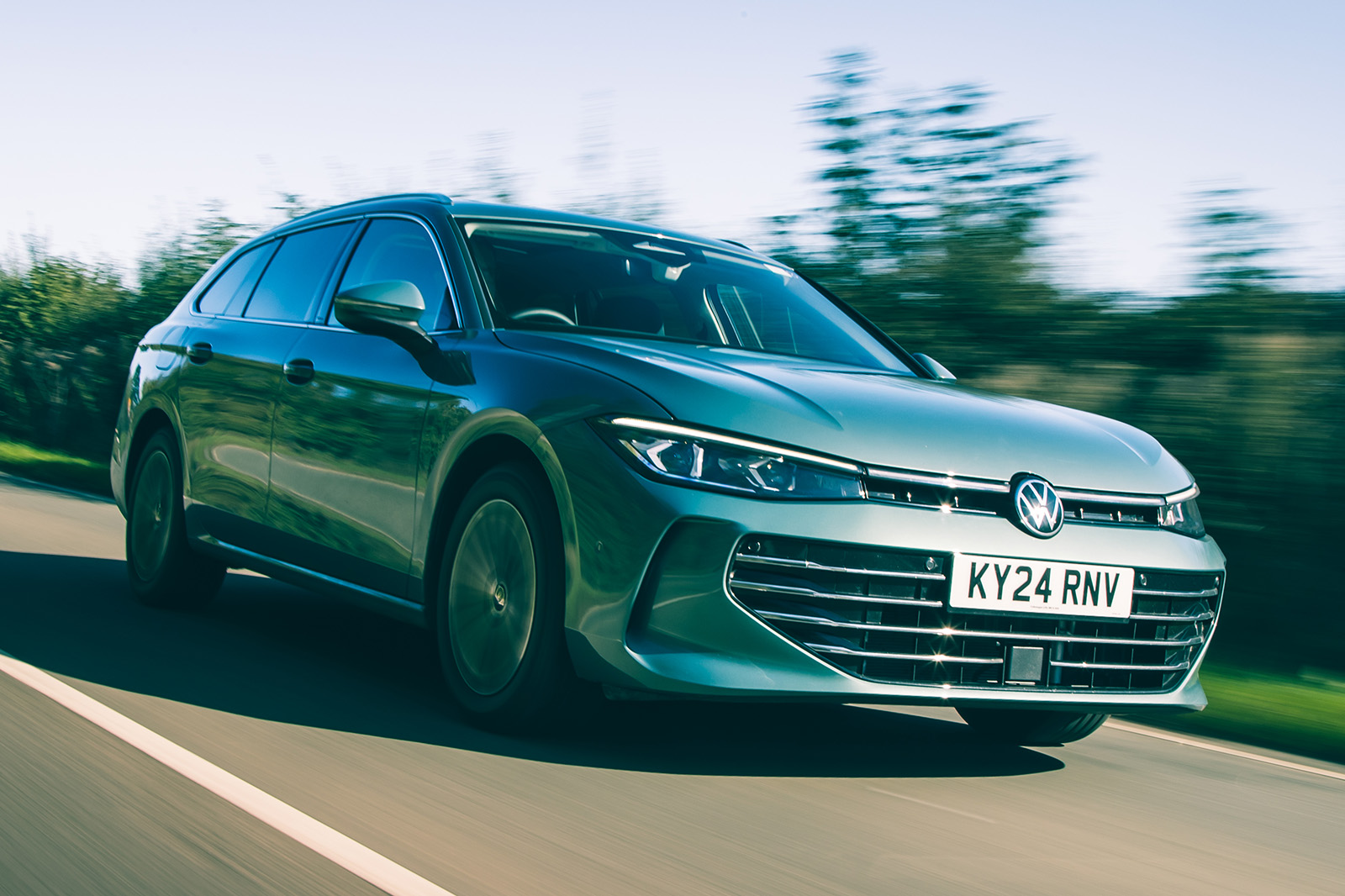
After more than 25 years on sale in the UK, hybrids are finally having their place in the limelight. A quarter of new cars were hybrids in 2025, according to the Society of Motor Manufacturers and Traders (SMMT), and they’re a popular choice for company car drivers too.
It’s easy to see why. Hybrids combine electric and combustion engine power to maximise fuel efficiency, delivering lower bills for drivers who aren’t ready to go battery electric, while contributing to fleet and vehicle manufacturers’ ever-tighter CO2 targets.

Although the tax breaks are being wound down, and hybrids will be phased out completely once the UK’s new car market becomes 100% electric in 2035, there are still plenty of good financial reasons to consider one as a company car.
How much does hybrid company car tax cost?
If you’re driving a car which is owned or leased by your employer but also available for private journeys, then it’s classed as a ‘benefit in kind’ and it’s a taxable perk. Since 2002, that tax system has incentivised vehicles with the lowest CO2 emissions, counteracting hybrids’ higher list prices and creating an early-adopter market among business fleets.
Those incentives are still in place. Every company car is assigned what’s called a ‘taxable value’, is a percentage of its list price (known in tax terms as the P11d value) that gets larger for models that emit more CO2 at the tailpipe. Company car tax bands were overhauled in April 2020 and, although so-called ‘self-charging’ hybrids are pretty much line with an efficient petrol or diesel car, there are some sizeable incentives for plug-in hybrids (PHEVs).

PHEVs get a larger, mains-rechargeable battery, offering a much longer electric range and significantly lower published CO2 emissions. If they emit 50g/km or less, then they fall into one of five ultra-low tax bands according to their electric range. Today, that’s typically 7% or 10% of their list price, compared to at least 25% for the most efficient ‘self-charging’ hybrids, so the taxable value is much lower.
| Vehicle | Type | P11d | BiK | Taxable Value (2026/27) |
|---|---|---|---|---|
| Hyundai Tucson N Line Edition Hybrid | Hybrid | £39,130 | 32% | £12,522 |
| Hyundai Tucson N Line Edition PHEV | PHEV | £42,035 | 10% | £4,204 |
| Peugeot 308 Allure BlueHDI 130 | Diesel | £30,170 | 32% | £9,654 |
| Peugeot 308 Allure PHEV | PHEV | £34,390 | 10% | £3,439 |
Benefit in kind is a percentage of that value based on your income tax band. England, Wales and Northern Ireland have three tiers (20%, 40% and 45%), while Scotland has five bands (between 19% and 46%). A driver paying 20% income tax would be liable for 20% of the taxable value each year, typically split into 12 monthly instalments and collected from their monthly wages.
The result is PHEVs have much cheaper tax than an equivalent petrol, diesel or hybrid vehicle, as shown below. It’s led to them jumping from a 10% to 22% share of all company cars since the new rates were introduced in 2020.
| Vehicle | Type | Monthly Benefit-in-Kind (2026/27) | |
|---|---|---|---|
| 20% taxpayer | 40% taxpayer | ||
| Hyundai Tucson N Line Edition Hybrid | Hybrid | £209 | £417 |
| Hyundai Tucson N Line Edition PHEV | PHEV | £70 | £140 |
| Peugeot 308 Allure BlueHDI 130 | Diesel | £161 | £322 |
| Peugeot 308 Allure PHEV | PHEV | £57 | £115 |
However, there are changes ahead. From April 2028, all PHEVs under 51g/km CO2 will drop into a new 18% Benefit-in-Kind band, regardless of electric range, which almost double the tax costs overnight. But with rates still significantly lower than anything other than full EVs, drivers can still expect to be quids in at that point.

Related posts






Latest Post




No Comments