
Honda Hid An Enthusiast’s Dream Behind An Ordinary Badge
Buying a sensible used car can feel like negotiating against yourself. You want something comfortable enough for Monday’s commute, but every promising choice seems determined to remove the fun from Saturday morning. Start shopping for an enthusiast badge, meanwhile, and suddenly you’re considering somebody else’s modifications and wondering whether that exhaust will wake the neighbors.

Honda once offered a particularly satisfying escape from that argument. Tucked into a familiar lineup was a configuration combining six cylinders, three pedals, and enough comfort equipment to make the responsible side of your brain stop complaining. Finding one today requires more care than simply searching for the right badge.
The Most Interesting Choice Was Hiding In The Sensible Aisle
Familiar Badges Can Conceal Unfamiliar Priorities
The appeal begins with expectations. An ordinary badge lets a car slip into daily life without constantly announcing that its owner enjoys driving. When the hardware underneath rewards that interest, the contrast becomes part of the fun.

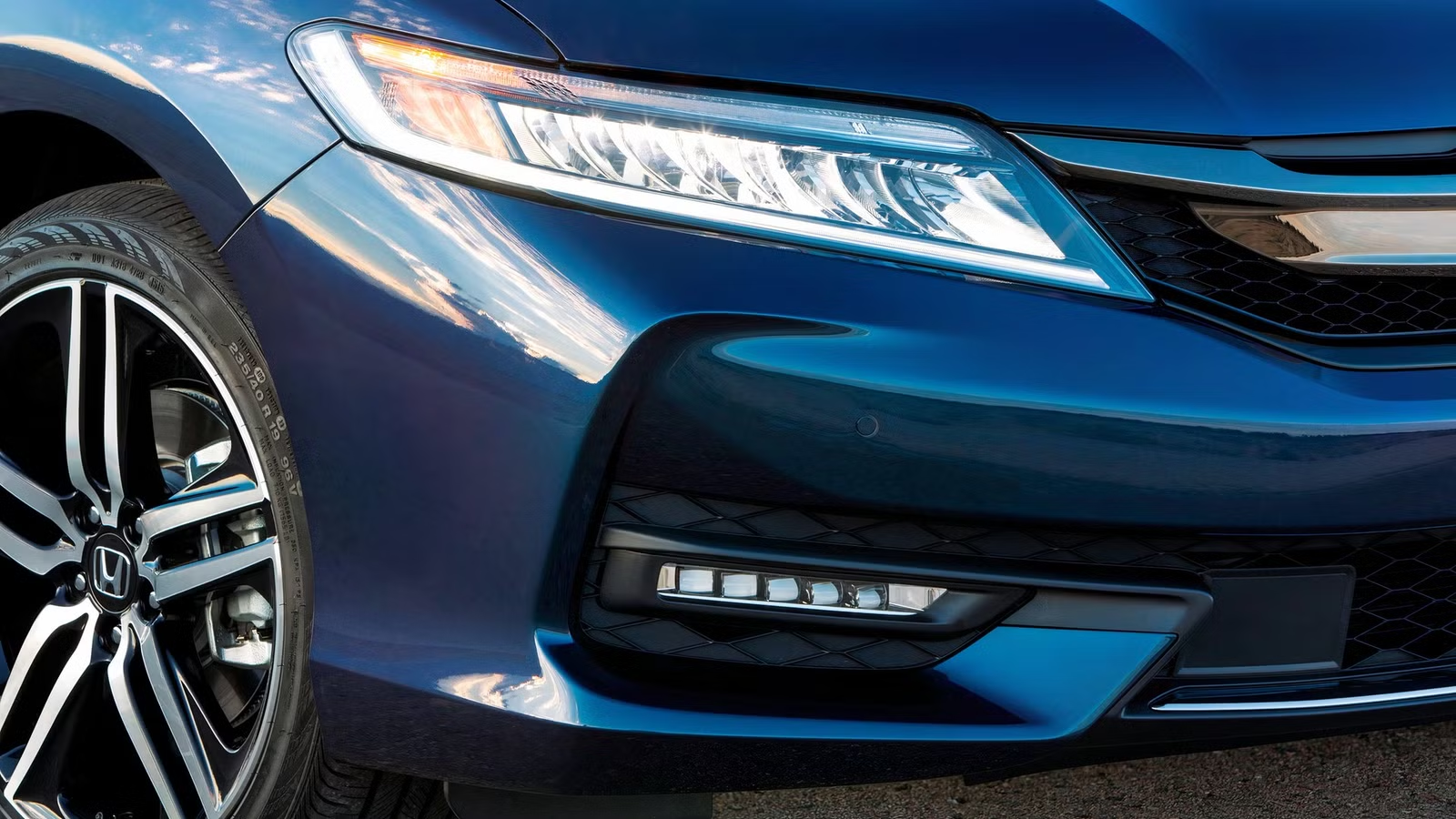
That describes the 2017 Honda Accord EX-L V6 Coupe with the six-speed manual. Honda openly listed the combination in its catalog, so “hid” is really about perception: buyers who associated Accord with automatic family transportation could overlook something considerably more involving. You had to pay attention to the configuration.
The V6 And Manual Were The Combination That Mattered

The naturally aspirated 3.5-liter V6 produced 278 horsepower at 6,200 rpm. Crucially, Honda rated the manual version at 251 pound-feet of torque at 5,300 rpm; the frequently repeated 252 pound-feet figure belongs to the automatic. Selecting your own gears puts that engine’s delivery at the center of the experience.
The EX-L V6 coupe was the U.S. configuration that joined those ingredients. A V6 sedan or a Touring coupe would not deliver the same three-pedal package, while a manual four-cylinder coupe would change the engine character entirely. This is one of those used-car searches where checking the transmission field actually matters.
The manual V6 also omitted the automatic’s Variable Cylinder Management system. That is a useful mechanical distinction, although it does not make every manual example a trouble-free purchase. A clutch pedal cannot erase years of neglected maintenance.
The Fun Came With Compromises Worth Understanding
Everyday Comfort Was Part Of The Appeal

Leather-trimmed upholstery, heated front seats, and dual-zone climate control made the EX-L more than a delivery device for its drivetrain. Apple CarPlay and Android Auto also helped bridge the gap between an older cabin and modern daily use. You could enjoy the mechanical combination without signing up for a stripped-out commuter.
The coupe body still demanded concessions. Rear legroom measured 33.7 inches, and trunk capacity was 13.4 cubic feet; neither number tells you how agreeable your passengers will find climbing behind the front seats. Bring the people and luggage you regularly travel with, and test access before falling for the roofline.
FWD And Fuel Consumption Set The Boundaries

FWD means the front tires handle both steering and putting the V6’s output onto the road. On the test drive, assess traction and steering behavior under sensible acceleration, especially over uneven pavement. Worn or mismatched tires and tired suspension components can muddy your judgment of the car itself.
This was still a comfortable road coupe, so expectations matter. A manual gearbox adds involvement, but it does not automatically create the responses or endurance of a dedicated track car. Buy it because the combination suits the roads you drive, rather than because you expect an undercover Type R.
21 mpg combined was the manual V6 coupe’s EPA rating, with 18 mpg city and 28 mpg highway. The automatic managed 24 mpg combined, so choosing the manual carried a measurable efficiency penalty. Regular unleaded helped keep the arrangement approachable, but three pedals did not come with a free pass at the pump.
The Best Example Comes With Evidence
Timing-Belt Records Deserve More Attention Than Mileage Alone

The 2017 Accord V6 uses a timing belt, and Honda’s Maintenance Minder subcode 4 includes replacing it and inspecting the water pump. Ask for invoices showing the date, mileage, and work performed. A seller saying “the big service was done” is an invitation to request paperwork.
As a car approaches 100,000 miles, scrutinize its major-service history closely, but avoid treating that odometer reading as a universal replacement deadline or rejection point. Follow Honda’s applicable maintenance instructions and have a specialist assess undocumented work. Low mileage also does not establish that an aging car has received proper care.
Ask about oil consumption, coolant loss, transmission-fluid changes, clutch replacement, modifications, and collision repairs. Have the inspector investigate leaks, unusual noises, mounts, suspension wear, and signs of poor repairs. Check the VIN for outstanding recalls, and establish whether any relevant service bulletin actually applies to the car and its symptoms.
A Healthy Clutch Should Make The Decision Easier

Clutch take-up should feel smooth and repeatable, without pronounced shudder or a burning smell. Engine speed rising without a matching increase in road speed warrants investigation, while a high engagement point alone does not prove the clutch is finished. Test gear selection both cold and fully warmed up; grinding, resistance, or jumping out of gear needs diagnosis.
Get written estimates for overdue maintenance and any faults before agreeing on price. A tidy advertisement and an enthusiastic seller are pleasant extras, but an independent inspection tells you much more about the ownership experience ahead. Prefer documented care over a slightly prettier odometer reading.
Honda discontinued the coupe with the 2018 redesign, giving this particular combination a clear endpoint. Its appeal remains wonderfully straightforward: comfort for the necessary miles, a V6 worth enjoying, and a gearbox that gives your left foot something useful to do. Buy a healthy one, and taking the longer way home becomes a very reasonable decision.
Sources: Honda, Car and Driver, Edmunds, Kelley Blue Book, The EPA

Related posts



Latest Post


No Comments