
Heading on an autumn road trip? Here’s what you need to know before driving in Europe

Every country you pass through will have its own limits, and they rarely match what you’re used to at home. In France, expect 50km/h (31mph) in towns, 80km/h (50mph) on most trunk roads and 130km/h (81mph) on dry motorways, dropping to 110km/h (68mph) in the wet. Spain’s motorways generally top out at 120km/h (75mph), while Germany’s autobahns famously have long unrestricted stretches, though an advisory limit of 130km/h (81mph) applies and speed cameras still catch plenty of drivers on the sections that are restricted.
Drink-drive limits are stricter almost everywhere on the continent than they are in England and Wales. France, Spain, Germany and Italy all set the limit at 50mg of alcohol per 100ml of blood, compared with 80mg in England, Wales and Northern Ireland (Scotland already matches the European figure at 50mg). Several countries drop that further, to close to zero, for newly qualified or professional drivers, so the safest approach on a European road trip is the same one that works at home: if you’re driving, don’t drink at all.
Budget for tolls, vignettes and low emission zones

France’s autoroutes are mostly pay-as-you-go, with tolls charged by distance at booths along the way, so keep some euros or a card handy. Switzerland and Austria work differently, requiring a vignette – a windscreen sticker or digital permit – just to use the motorway network at all. Switzerland’s vignette costs CHF 40 and covers roughly 13 months, while Austria offers a 10-day version from €12.80, rising to €106.80 for an annual pass. Buy from the official operator’s website or a recognised outlet such as a filling station, rather than a third-party site, to avoid being overcharged.
City centres bring their own charges. France’s Crit’Air scheme and Germany’s Umweltplakette both use a windscreen sticker to show how clean your car is, and driving into cities such as Paris, Lyon, Berlin or Munich without the right one can mean a fine. They’re inexpensive and quick to order online in advance, so it’s worth sorting one before you leave rather than discovering the rule at the city limits.
Take out breakdown cover that works abroad

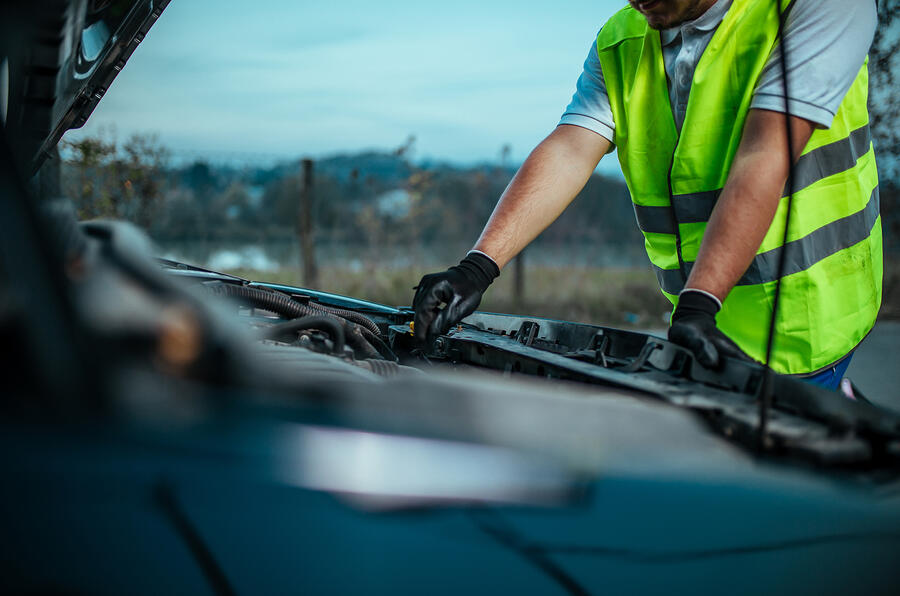
Standard UK breakdown cover typically stops at the coast, so check the small print before you assume you’re covered. European breakdown cover adds roadside assistance, recovery and, in some cases, a replacement vehicle or accommodation if your car needs longer repairs than a roadside fix allows. It’s a modest cost measured against what a breakdown in an unfamiliar country, with a language you might not speak, could otherwise turn into.

Related posts



Latest Post


No Comments