
Harley’s Bet on Customization Keeps Getting Bigger — And It’s Not Just About Selling Parts
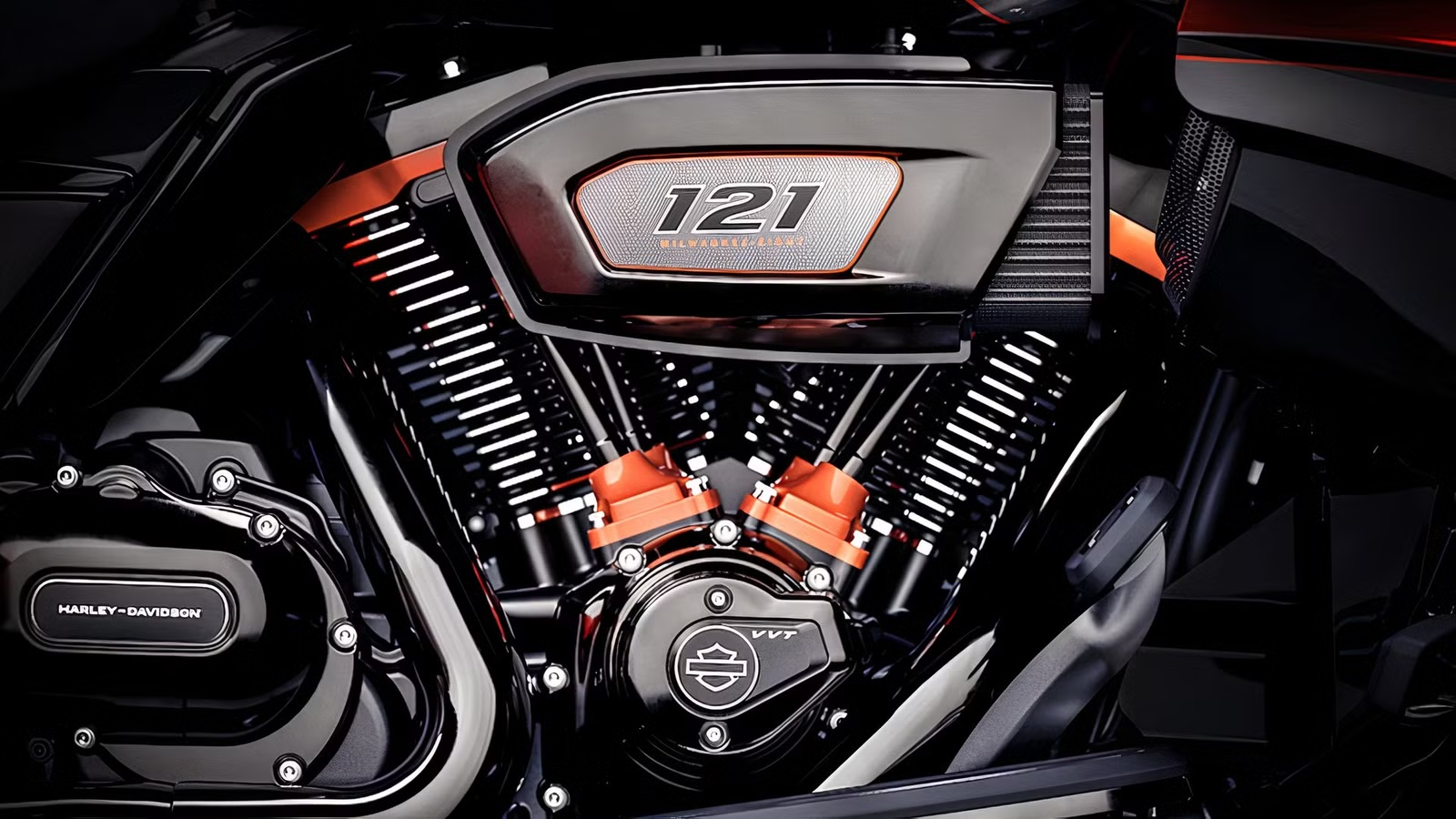
Harley-Davidson already publishes one of the most expansive accessories catalogs in the powersports world — a physical book running more than 800 pages in 2026, covering everything from performance parts to handlebar swaps to full aesthetic overhauls. Under new CEO Artie Starrs, that catalog is getting bigger. But the expansion isn’t just a product decision. It’s a strategic one.

During Harley’s most recent earnings call, Starrs laid out his thinking plainly: “Customization is not an add-on to the Harley-Davidson experience. It is core to the Harley-Davidson experience. It drives rider connection. It creates important opportunities for our dealers and supports a stronger and more diversified revenue model for the motor company.” That framing — customization as retention engine, not upsell — signals a meaningful shift in how Harley is thinking about its business beyond the showroom floor.
Customization as a Loyalty Play, Not Just a Product Line
The logic behind Starrs’ push is straightforward once you see it: riders who customize their bikes invest more than money. They invest identity. A Harley owner who has swapped the exhaust, dialed in the handlebars, and added a custom tank paint scheme isn’t just a customer — they’re someone who has built something. That kind of ownership experience creates stickiness that a standard sales transaction doesn’t.

For Harley, that stickiness translates directly to dealer revenue and repeat business. Accessories purchases bring riders back into the dealership after the initial sale, creating ongoing touchpoints that a one-and-done bike purchase never could. Expanding the catalog deepens that loop — more parts, more reasons to return, more opportunities for dealers to build relationships with their customers over time. In a market where Harley has faced real pressure on new motorcycle sales, accessories represent a revenue stream that doesn’t depend on someone buying a new bike.
Starrs’ Broader Reinvention of the Motor Company

The accessories push is one piece of a larger strategic reset Starrs has been executing since taking over. His “Back to the Bricks” business plan has touched nearly every corner of the company: reviving the Sportster nameplate, investing in an entry-level motorcycle aimed at drawing new riders into the Harley ecosystem, bringing Revolution Max engine production back to American soil, and developing the RMCR sport bike to push the brand into new market segments.
Starrs has also made a point of rebuilding dealer relationships — touring dealerships, listening to operators on the ground, and treating the dealer network as a partner rather than a distribution channel. That matters for the accessories strategy specifically, because dealers are the ones who install, recommend, and sell those parts. A healthier dealer relationship means the accessories expansion actually reaches riders instead of sitting in a warehouse.
The skepticism that greeted Starrs when he arrived — a CEO with a background in golf and pizza taking the helm of an American motorcycle icon — has largely quieted as the strategy has taken shape. The moves are coherent, and they connect.
What the Expansion Could Actually Look Like

Harley hasn’t detailed exactly which categories the accessories expansion will target, and specific revenue figures from the earnings call weren’t made available in current reporting. What Starrs has made clear is the intent: grow the catalog, deepen dealer involvement, and make customization a more central part of the buying and ownership experience from day one.
One direction worth watching is whether Harley moves toward a more configure-to-order model — letting buyers spec accessories at the point of purchase so the bike arrives from the factory closer to what they actually want, rather than requiring a return trip to the dealer after delivery. That kind of integrated experience is common in European automotive retail and would represent a meaningful upgrade to how Harley currently handles the accessories conversation. For now, that remains speculative, but the strategic direction Starrs has outlined points toward closing that gap between what riders want and how quickly they can get it.
For Harley owners, the practical upshot is more options coming — and a company that is, at the leadership level, treating customization as something worth investing in rather than a catalog to maintain. Whether that translates into the kind of factory-integrated, build-your-own experience that riders have long wanted remains to be seen. But the intent is clear, and the direction is right.

Related posts


Latest Post


No Comments