
GM’s 6.2-Liter V8 Recall Could Tank Resale Values On Nearly 1 Million Trucks And SUVs
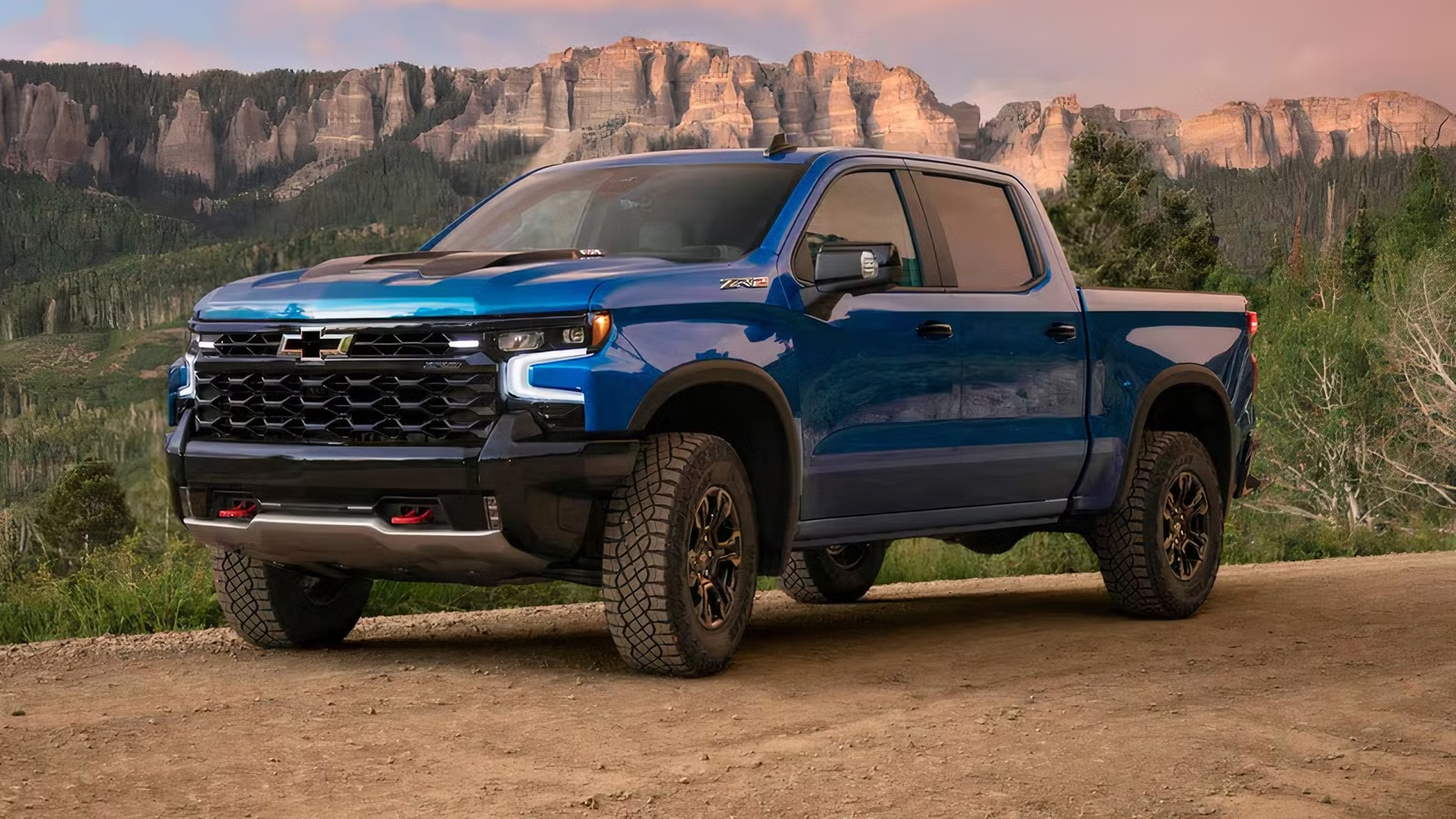
Nearly a million GM trucks and SUVs face federal scrutiny over the 6.2-liter L87 V8, raising concerns about resale values. NHTSA opened Engineering Analysis EA26005 on August 20, 2026, covering 997,743 vehicles after receiving engine failure reports from trucks that had already undergone GM’s recall repair.

The investigation covers 2021-2026 Chevrolet Silverado 1500, Suburban, Tahoe, GMC Sierra 1500, Yukon, Yukon XL, and Cadillac Escalade models. With repaired engines still experiencing failures, owners could face tougher negotiations when selling or trading in their vehicles.
Why A Completed Recall Fix Isn’t The Clean Bill Of Health It Sounds Like
GM’s original recall, 25V-274, covered 597,571 trucks built between March 2021 and spring 2024. It identified potentially defective connecting rods and crankshaft components. Dealers inspect affected engines, repairing or replacing those that fail inspection. Engines that pass receive higher-viscosity oil, a replacement oil cap, and a new filter.

However, NHTSA has recorded 499 complaints involving vehicles that received the remedy, while GM’s own post-repair complaint figures reach into the thousands. Another 26 complaints followed complete engine replacements. That raises a troubling question for owners and buyers: if failures continue after repairs, how much reassurance does a completed recall provide?
What This Means For Owners Trying To Trade In Or Sell

GM must respond to NHTSA by October 30, 2026, providing production records, warranty claims, lawsuits, and explanations for continued failures. While the investigation remains open, uncertainty could weaken resale values. Dealers and private buyers may factor potential engine problems into their offers, even when recall repairs are documented.
Owners should retain recall repair orders, documentation showing whether the engine was inspected or replaced, and proof of required Mobil 1 FS 0W-40 oil changes when applicable. Those records cannot eliminate concerns, but they may help sellers defend their asking prices.
What Used-Truck Shoppers Should Check Before They Buy

Anyone considering a used Silverado, Sierra, Tahoe, Yukon, or Escalade with the 6.2-liter V8 should begin with NHTSA’s VIN recall lookup. However, the tool only identifies outstanding recalls. A clean result doesn’t guarantee the engine is free from problems, particularly given the post-repair failures under investigation.
Buyers should request the original recall repair order and verify whether the engine received an inspection, oil change, repair, or replacement. Extra caution is warranted with 2025 and 2026 models, which fall within the federal investigation but outside the original recall. Until investigators determine why failures continue, documented service history remains essential. Buyers can also use that uncertainty when negotiating the price of an L87-equipped truck.

Related posts




Latest Post


No Comments