
Future classics that will climb in value
VW Phaeton (2002-2006)
The most desirable engines were the 4.2-litre V8 and 6.0-litre W12, both of them petrol, although you’ll search high and low before you find either for sale at any price.

If you get lucky you might unearth a 3.2-litre V6 petrol not much money, but the vast majority are 3.0-litre V6 diesels (outside North America at least). As fine an example of corporate folly as you’ll find anywhere.
Citroën C6 (2005-2012)
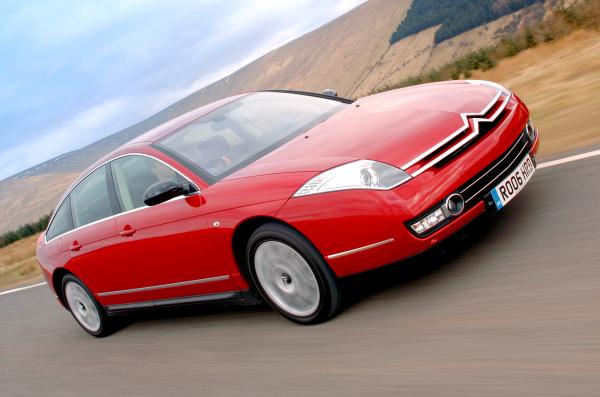
Citroën built its reputation on cars that were strange and non-conformist. For a long time the French company existed in its own little bubble, doing things its own way. The likes of the 2CV, DS, XM, BX and many others were proper oddballs.
Citroën C6 (2005-2012)

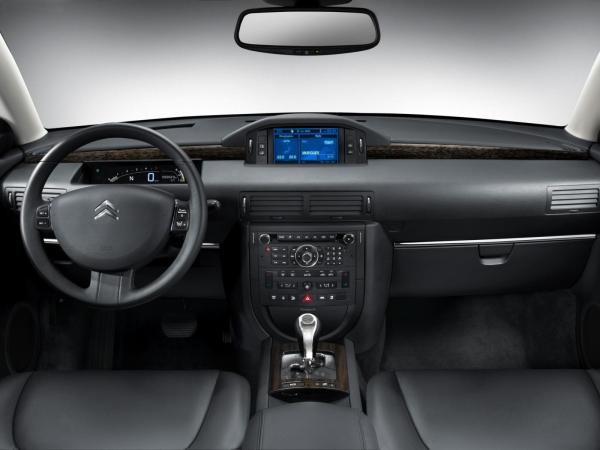
The C6 was among the very last of the bizarro Citroëns; its range today is nothing like as quirky as it once was.
BMW Z4 Coupé (2006-2009)
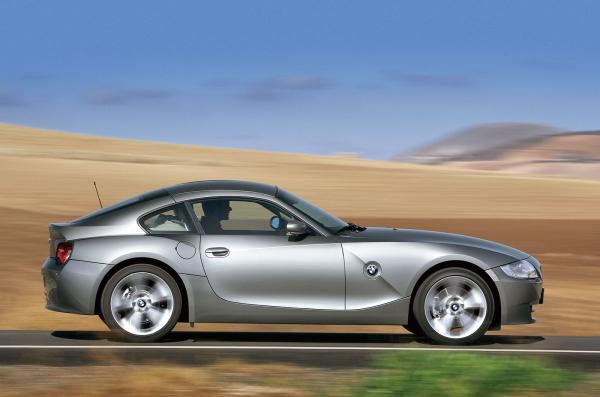
What is it that makes the Z4 Coupé so much more alluring than the roadster? Perhaps it’s a combination of rarity – just 9% of Z4s were Coupés- and the sleek, mini-supercar fastback styling.
Viewed from the rear three-quarters the Z4 Coupé remains one of BMW’s prettiest modern designs. Naturally, the Z4M Coupé is an even surer bet for classic status somewhere down the line, but even the leggiest cars command quite big money now.
BMW Z4 Coupé (2006-2009)
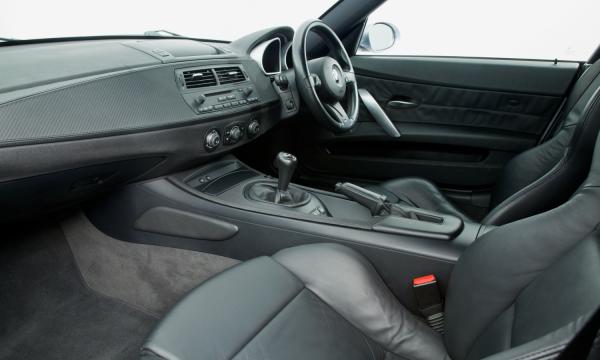
The 3.0si may not be a bells-and-whistles M-car and, yes, it does lack 75bhp compared to the Z4M, but prices are keen? Lower mileage cars aren’t that much more and, notoriously weak rear springs aside, there isn’t too much to look out for. Just make sure you fit; the cabin is comically tight.
Renault Avantime (2001-2003)
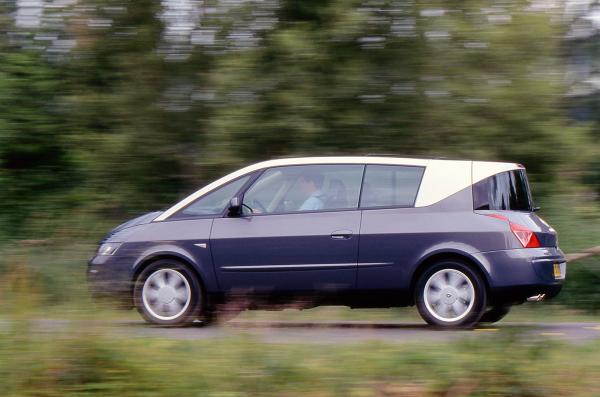
Very few car manufacturers can rival Renault in the noble discipline of building quirky, oddball cars. At least, that was true 25 years ago when the French company seemed to sign off whatever hair-brained concepts its – presumably very drunk – product planners could dream up.

Related posts

Latest Post


No Comments