
BMW Looks Back At The Original M4 DTM And What Made It Special
News
BMW’s racing specialist reveals the engineering secrets behind a DTM car that won drivers’ titles in 2014 and 2016.
Article Summary
- The F82-generation M4 DTM featured a purpose-built P66 V8 engine producing approximately 480 to 500 horsepower in its restricted configuration.
- The race car had no ABS or traction control, leaving drivers entirely responsible for taming the track-only M4.
- A drag reduction system (DRS) could increase top speed by approximately 10 to 15 km/h (6 to 9 mph) on straights.
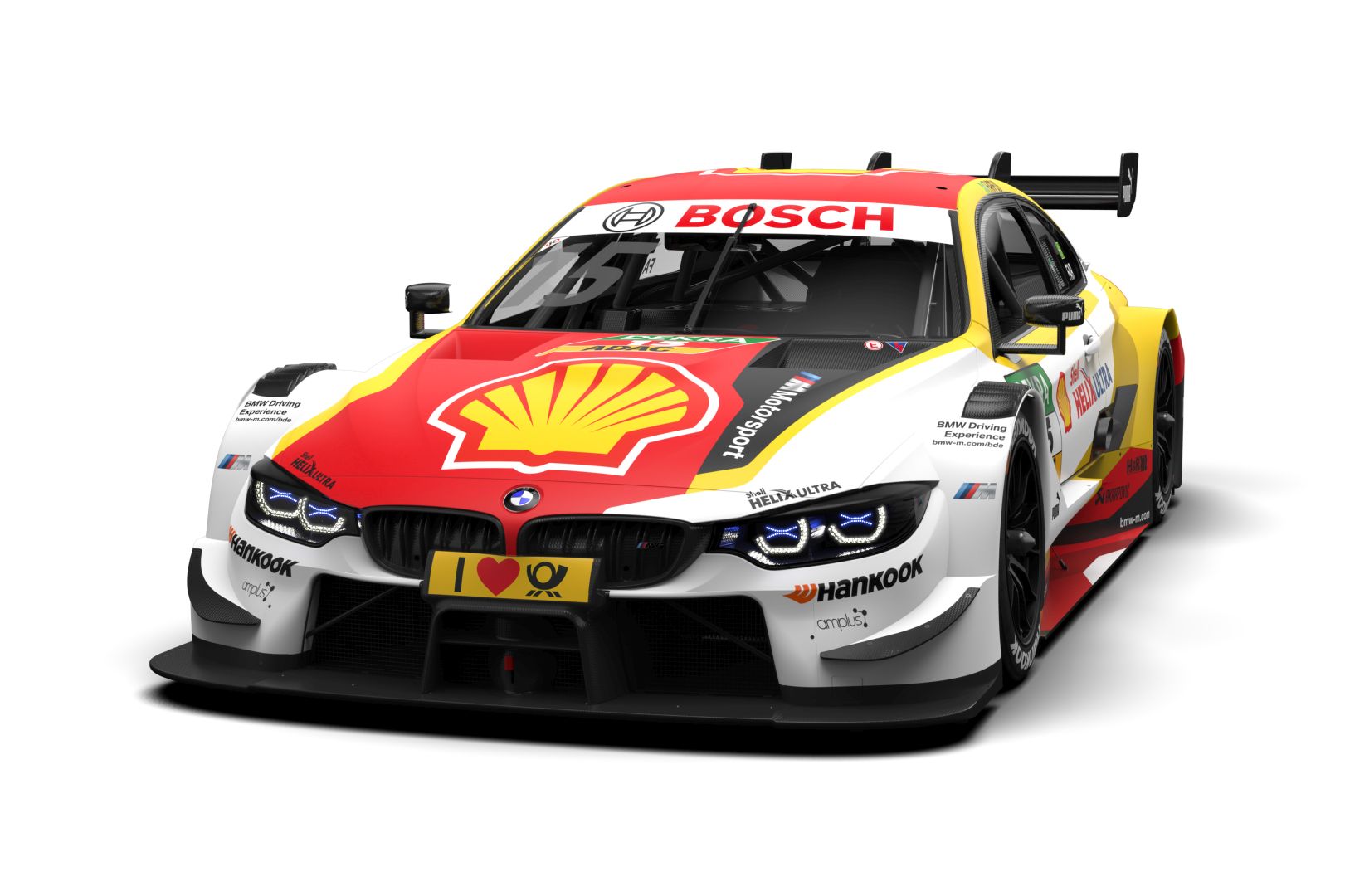
Every now and then, BMW opens the doors to its so-called secret M Garage to bring forward one of its special cars. This time, we’re taking a closer look at one of its most successful racers. The star of the latest episode is the M4 DTM (F82), a purpose-built racing machine that competed in the Deutsche Tourenwagen Masters between 2014 and 2018. It also had a pretty impressive trophy cabinet, winning the drivers’ championship in both 2014 and 2016.
The video features Dominik Nadler, Head of Track Operations at BMW M Motorsport, who walks us through the many engineering tricks that made the DTM racer so special. And while the car might look vaguely familiar, don’t expect to find many similarities with the production, first-generation M4 underneath its bodywork.

For starters, the engine is a bespoke P66 V8 developed specifically for motorsport in 2012. In its current restricted configuration, it produces about 480 to 500 horsepower, though output depends heavily on how much air the engine can breathe. Even the engine bay is unusual, with gold-colored heat shielding designed to keep intake temperatures down and help the engine deliver maximum power.
Clever Packaging Keeps Everything Low
The low-slung packaging is another defining characteristic. BMW positioned the engine’s cylinder heads extremely close to the floor, while the suspension uses a double A-arm, pushrod/pullrod arrangement to keep components as low as possible. The dampers are mounted horizontally rather than standing upright, freeing up space and helping lower the car’s center of gravity.

The exhaust manifolds also point upward instead of following the conventional routing you’d find in a road car. They feed into the side of the vehicle, where additional gold-colored insulation protects the carbon-fiber door from the extreme heat. The doors themselves are remarkably light and can be removed simply by lifting them out.
The rear section is equally fascinating. BMW uses a transaxle layout, placing the engine up front and the gearbox at the rear. The two components form an extremely rigid structure, with BMW mounting the suspension directly to both. Combined with a stiff monocoque, this creates a highly rigid assembly extending from the engine to the gearbox and ultimately to the tires.
No Electronic Nannies
And don’t expect electronic safety nets to catch you if things go wrong. The M4 DTM has neither traction control nor ABS, leaving the driver entirely responsible for managing the car. Every small steering input and millimeter of pedal travel translates directly into the vehicle’s behavior, giving the driver an unusually intimate connection with the machine, like in the old days of racing.
BMW also fitted the racer with a drag reduction system (DRS). On straights, where drivers don’t need as much downforce, the system reduces drag and helps the car reach speeds approximately 10 to 15 km/h (6 to 9 mph) higher, depending on the settings allowed by the racing series.
The cockpit is every bit as purpose-built as the mechanical package. Drivers sit in a specially molded foam seat that hugs their bodies, while a digital display provides essential information such as speed, gear selection, oil pressure, and temperature. There are several selectable display pages, but the amount of information could overwhelm anyone unfamiliar with racing.
Interestingly, BMW has also converted this particular M4 DTM into a two-seater taxi car. After competing in the championship, the car underwent a rebuild that added a passenger seat alongside the driver’s. That gives visitors a rare chance to experience a machine designed with one purpose in mind: going as fast as possible around a racetrack.

Related posts
Latest Post


No Comments