
Ford’s Forgotten 429 Wagon Made the Mustang Look Tame
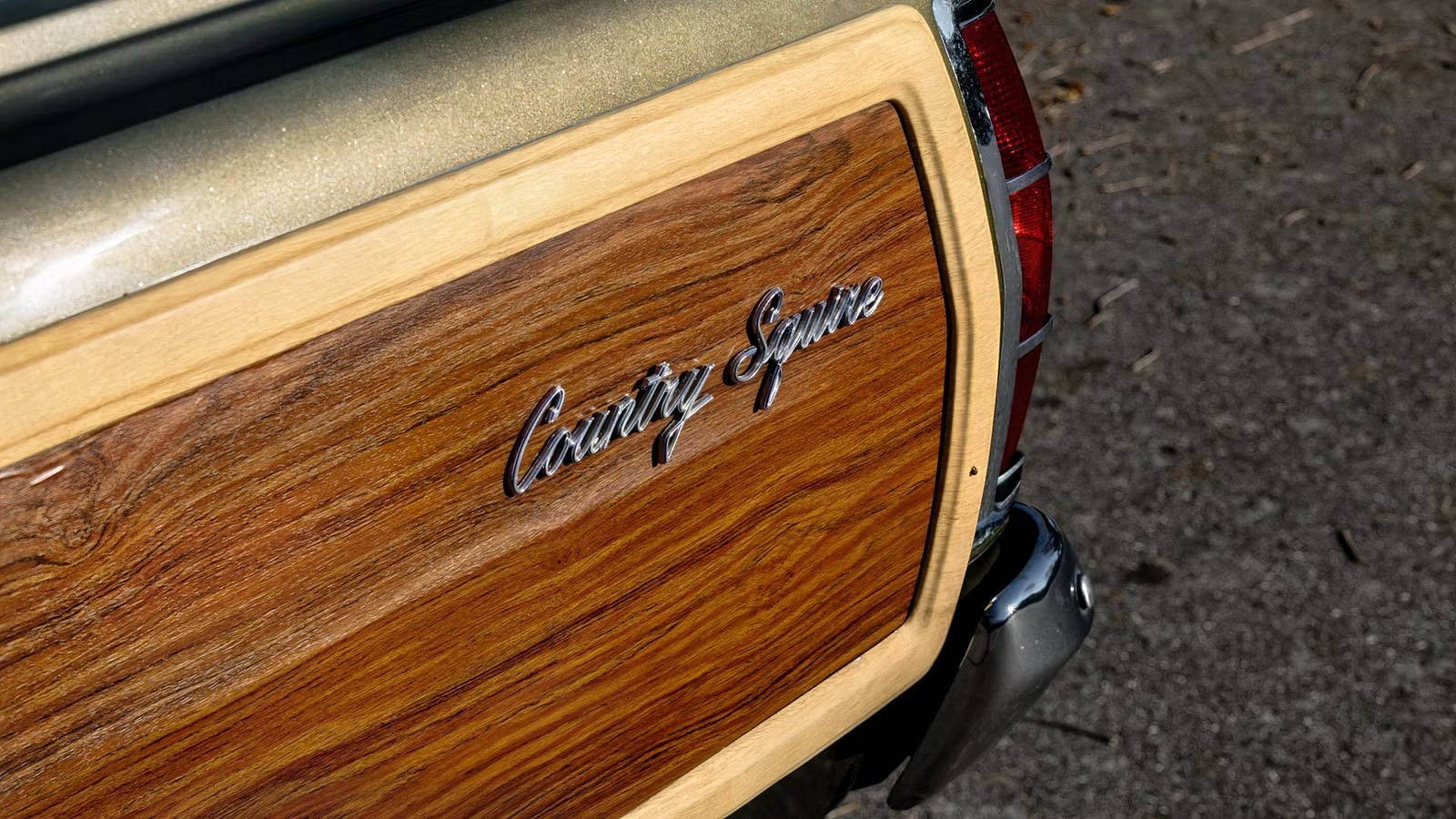
A woodgrain wagon with room for the family rarely belongs in the same conversation as a big-block V8. In 1969, Ford let buyers order its full-size wagon with a 429-cubic-inch four-barrel engine. There was no performance stripe or loud badge to announce it. Ford built 1,975 Country Squires with this engine, making the combination unusual even before age and survival narrowed the field. The most useful giveaway is stamped onto the car itself, and it wore no obvious performance badge.
The Woodgrain Wagon Had More Going On Than Its Family-Car Image Suggested

Ford redesigned its full-size cars and wagons for 1969, giving them a longer wheelbase and lower, wider stance. The Country Squire’s simulated woodgrain panels suggested an upscale family hauler, not a performance model. Its LTD-style front end could be ordered with concealed headlights, which cleaned up the nose without advertising the engine beneath it. Inside, a wraparound dashboard put controls near the driver. Ford placed the radio far to the left, away from the passenger. The odd layout stood out in the restrained cabin. The styling sold comfort and status, not speed. That was the idea.
The Magic Doorgate Was More Than A Clever Tailgate
The Magic Doorgate could fold down like a conventional tailgate or swing sideways like a door. For 1969, Ford’s three-way update allowed the gate to swing open with the rear window raised or lowered. That made loading cargo easier and helped when space behind the wagon was limited. Ford introduced the basic design in 1966 and revised it for 1969. It was a practical family-car feature, not a clue to the optional V8. From the woodgrain sides to the clever rear gate, this wagon looked built for everyday errands. Its order sheet told another story.
Ford’s 1969 Country Squire Could Be Ordered With A 429 Big-Block

That wagon was the 1969 Ford Country Squire, part of the redesigned LTD family. Buyers could order a 429-cubic-inch four-barrel V8, a Lima big-block that replaced the FE-series 428 used in earlier full-size Fords. The 429 was optional, not standard equipment. About 1,975 Country Squires were built with the four-barrel engine. Ford rated it at 360 horsepower and 480 lb-ft of torque, figures also recorded in Bring a Trailer documentation. Autoevolution lists 365 hp, so the factory-rated 360 hp is the safer figure to use.
The Fifth Character In The VIN Gives The Engine Away

On a 1969 Ford, the fifth VIN character identifies the engine. An N denotes the 429 four-barrel. A Bring a Trailer example offers a useful reference: its VIN begins 9A76N and includes a Deluxe Marti report and reproduction window sticker supporting its factory specification. That is better evidence than a badge or a big-block installed later. The available documentation supports calling it a 429 four-barrel, but not automatically a Cobra Jet. Use that label only when a specific car’s paperwork confirms it. Buyers should compare the VIN with factory records and inspect the engine before paying a premium. Ford’s code makes the engine easier to identify, but it does not replace a complete inspection or a paper trail either.
Ford’s Big-Block Wagon Had A Different Rival Than A Muscle Car

A closer rival was Chevrolet’s 1969 Kingswood Estate. Chevrolet offered its full-size wagon with a 427 V8 rated at 425 horsepower and 460 lb-ft of torque. Ford’s 429 was rated at 360 hp and 480 lb-ft. The Chevy had more advertised horsepower; the Ford had slightly more rated torque. MotorTrend’s comparison shows similar dimensions and equipment: the Ford measured 219 inches long, against 216.7 inches for the Chevrolet. Both had front disc brakes, rear drums, and three-speed automatics in the compared configurations. The comparison is about character as much as output: neither wagon was intended to chase coupes or set quarter-mile records at the drag strip.
The 429 Was Strong, But The Wagon Was Built To Do More Than Go Fast

Published weight figures conflict. Autoevolution lists 4,586 pounds, Conceptcarz gives 4,200 to 4,230 pounds, and MotorTrend lists 4,849 pounds for its Country Squire. These figures vary by source and specification, so none should be treated as definitive. Autoevolution also reports a 7.5-second 0-60-mph time, but that figure is not corroborated elsewhere here and should remain an attributed estimate. The point is that the 429 supplied useful torque for a loaded wagon. This was a family vehicle with big-block power, not a purpose-built muscle car.
The 429 Country Squire Is A Rare Find Without A Muscle-Car Price Tag

A factory 429 makes the 1969 Country Squire interesting, but rarity does not guarantee a huge price. One documented example sold on Bring a Trailer for $25,250 on September 21, 2024. It wore a red repaint and aftermarket wheels, and came with a Deluxe Marti report. Its odometer showed about 10,000 miles, but total mileage was listed as unknown. The sale is a useful reference, not a universal valuation. OldCarsData’s year-specific page now shows only one sale in its recent 12-month sample, with a $15,000 median. That is too small a sample for a dependable market average.
The VIN Matters More Than The Woodgrain
Condition, originality, paperwork, and working equipment all affect what a buyer should pay. Look for the N engine code, then compare the car with a factory report or original paperwork. The Bring a Trailer example shows why: its VIN, Marti report, and window sticker supported its optional 429 specification. Inspect the lower body and woodgrain areas for rust or old repairs, and make sure the Magic Doorgate works in every position. Test the concealed headlights, too. A genuine 429 Country Squire combines useful space with factory big-block power, but the VIN and the car’s documentation must agree.
Source: Bring A Trailer, Competition Cars Myrtle Beach

Related posts




Latest Post


No Comments