
Ferrari’s Forgotten 2018 Patent Just Stole Tesla Roadster’s Thunder
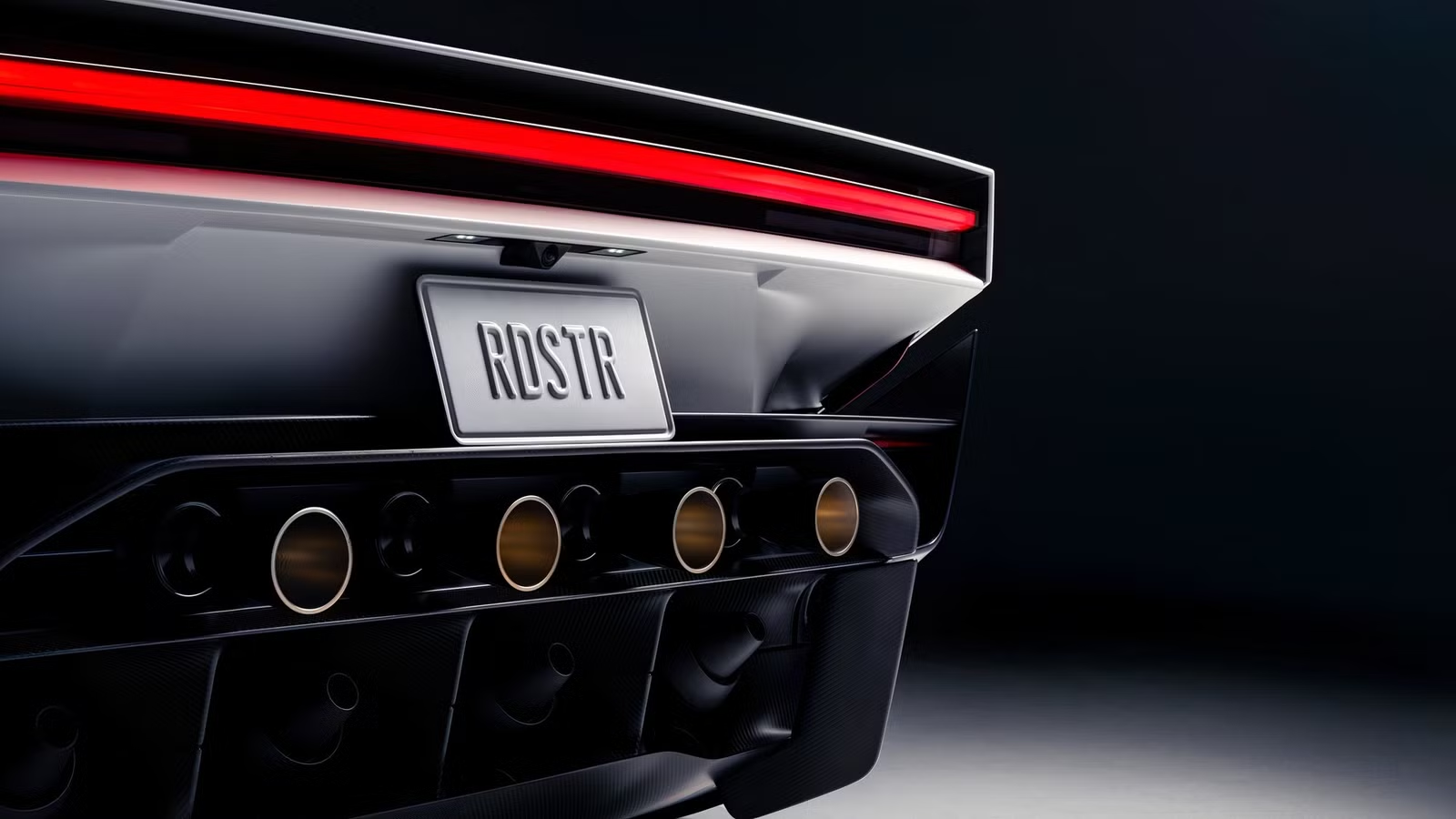
In October 2026, Tesla finally made its long-promised Roadster do something more memorable than miss another launch date: it jumped, flipped, and landed on its wheels. SpaceX-developed compressed-air thrusters handled the theatrics, while Elon Musk took the victory lap.

Then Ferrari CEO Benedetto Vigna pointed to an old patent from Maranello. Turns out the Italian supercar maker had its own plans for high-pressure gas jets years before Tesla’s airborne demonstration.
Ferrari’s 2018 Patent Has A Very Different Mission
Ferrari’s patent, called ‘High-Performance Car with Gas Pushers’ traces back to December 27, 2018. Ferrari filed its U.S. application in December 2019, and the patent was granted in July 2021 under number 11,072,381. Engineer Fabrizio Favaretto is credited with the idea.

The proposed system uses a compressed-air tank and strategically positioned nozzles to generate thrust in different directions. Those jets could push a Ferrari harder against the pavement, help it brake more aggressively, and support acceleration and cornering when tire grip reaches its limits.
The patent also outlines a compressor powered during braking to replenish the air supply, making repeated performance bursts more practical on a racetrack. Unlike Tesla’s flying Roadster, Ferrari’s patented technology is designed to keep a supercar planted. Think of it as another way to extract performance beyond traditional aerodynamics, rather than a shortcut to launching a car over traffic.
Ferrari’s CEO Confirms The Patent As Tesla Takes Flight

Vigna confirmed Ferrari’s older thruster patent during an October 2026 interview surrounding the company’s electric Luce debut in India. His remarks followed Tesla’s October 15 Roadster unveiling at a SpaceX facility in Texas, where a prototype performed airborne stunts.
Tesla’s next-gen electric Roadster uses SpaceX-developed cold-gas thrusters, while a fan-based suction system generates immense downforce. The demonstration featured a midair flip, and Tesla claims the Roadster can sprint from zero to 60 mph in under one second.
There’s a twist to the timeline, however. Musk publicly discussed adding rocket-style thrusters to the Roadster in June 2018, months before Ferrari’s Italian patent filing. To be fair, Ferrari beat Tesla’s public demonstration, but that doesn’t establish who conceived the technology first.
What Ferrari’s Thruster Patent Means For The Tesla Roadster

Ferrari hasn’t announced plans to install its compressed-air thruster system in a production supercar. Its patent documents an engineering concept, whereas Tesla has demonstrated working hardware, even if the flying Roadster remains an experimental prototype.
Tesla is targeting 2028 production for its long-delayed electric sports car. Whether the most extreme Rocket version ever becomes usable on public roads is another question entirely, given the obvious safety and regulatory hurdles associated with airborne vehicles.
For now, there’s no reported patent infringement claim or legal fight between Ferrari and Tesla. Both companies explored gas-powered performance assistance, but with very different ambitions. Ferrari wanted more grip and quicker lap times. Musk, naturally, wanted to see a car fly.

Related posts



Latest Post


No Comments