
Volkswagen to gradually halve line-up through ‘natural transition’
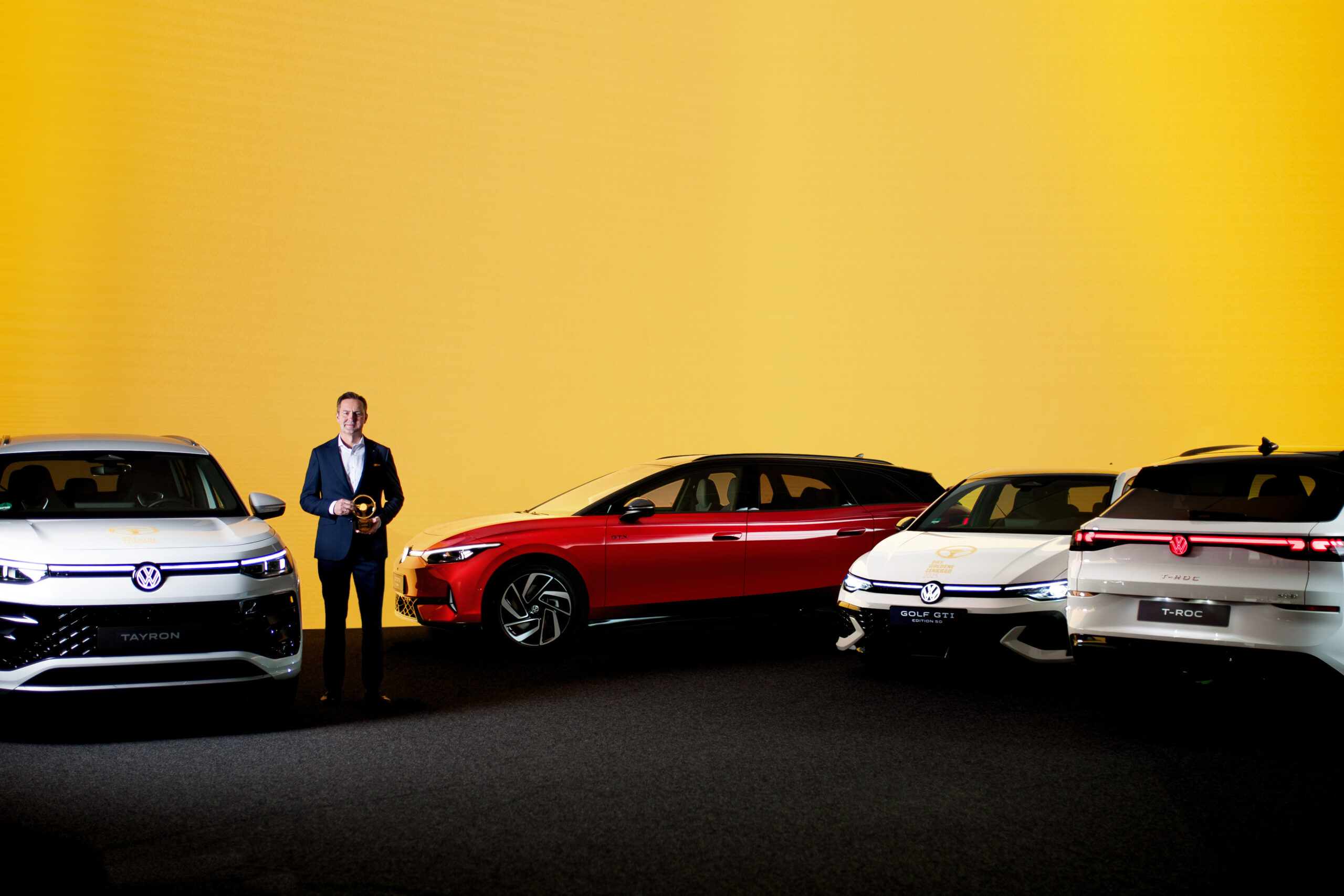
Volkswagen will reduce its range through “natural transition” rather than systematically axing a number of models, according to CEO Thomas Schäfer.
The Volkswagen Group is currently undergoing a major restructuring and has pledged to reduce the number of models and variants across its whole portfolio by around half.

Asked at the Paris motor show how that would impact the Volkswagen brand specifically, Schafer said: “We started this debate mainly because of the 2035 end of combustion engines in Europe. It’s not a miracle that after 2035 you will not have a Polo and an ID Polo or a T-Cross and an ID Cross. So you automatically have a reduction.
“We were working on what is the ideal portfolio [for Volkswagen] in 2035 and in what size [of cars] – small, high, and so on – and we’ve done that. Then we’ve done the same with Skoda. Then we’ve done the same with Cupra. We just aligned all of that, and out came a top portfolio for 2035, which is half the size. This wasn’t a miracle, it was actually a natural transition and a reorganisation of the portfolio to the most profitable products.”
Part of the Group’s strategy is to introduce greater collaboration between the brands, in particular Volkswagen, Skoda and Cupra – which each sit within the Core group headed by Schäfer.

He explained that in the future models would be managed in “synergy groups” so that “we are not all fishing in the same spot at the same time”.
That doesn’t rule out multiple brands having vehicles in the same areas – as is the case now with the ID Polo, ID Cross, Cupra Raval and Skoda Epiq small EVs – but in such cases the projects will be clustered and assigned to a specific brand to lead.
One example of this new strategy is the forthcoming production version of the ID Every1 city car concept, which will sit on a cut-down version of the ID Polo’s platform. Only Volkswagen will offer a car in that class, which Schäfer said is down to the small size of the market.

Related posts

Latest Post



No Comments