
Bold Vauxhall STX estate revealed as first look at Astra’s future
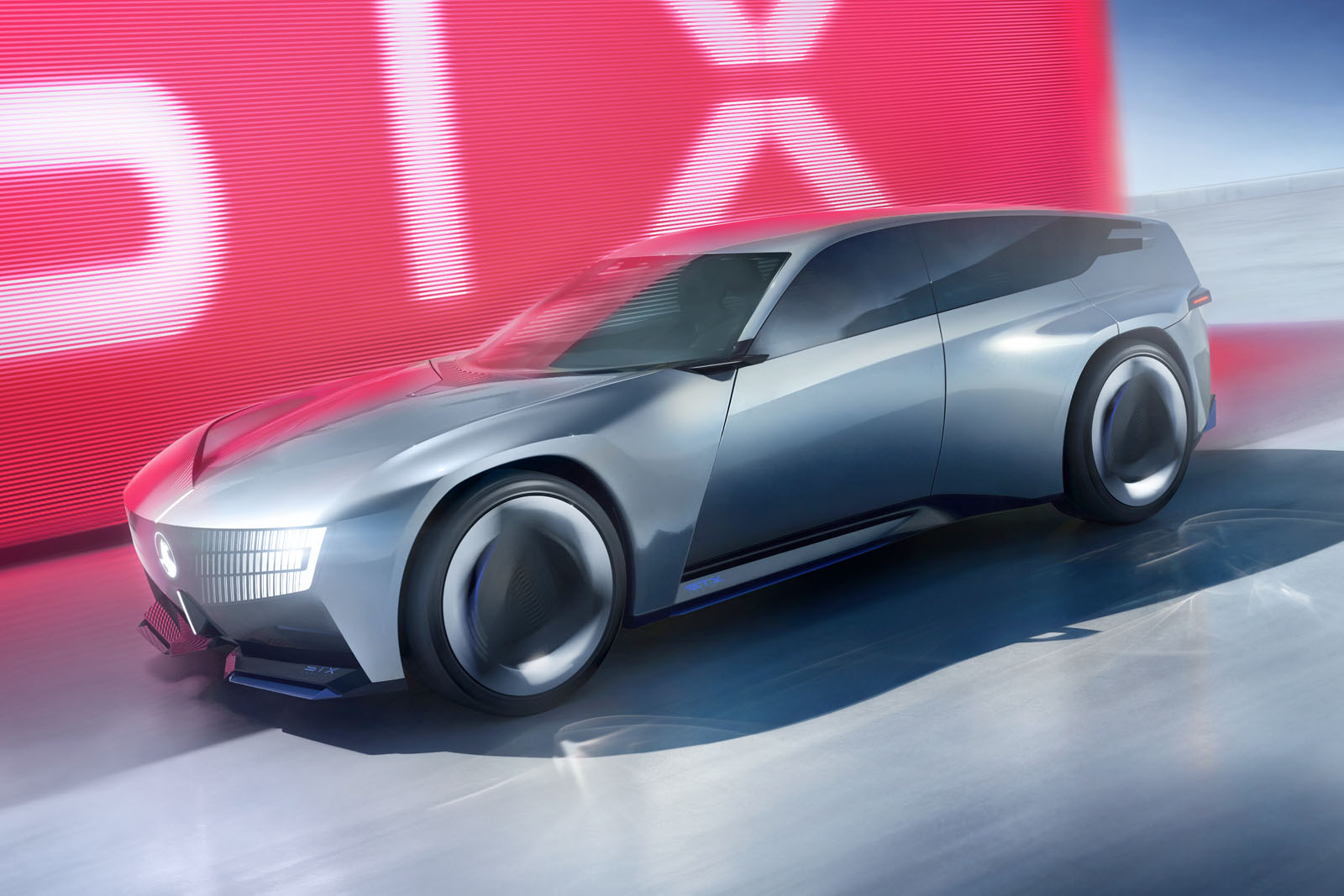
The body’s rear extremities, behind the wheels, are designed to both widen and extend at speeds beyond 50mph to improve aerodynamic stability and reduce drag, which designers see as high priorities when EVs like this hit the market nearer 2030.

The STX’s moving aero parts have yet to be assessed in a wind tunnel but, according to Vauxhall design director Mark Adams, initial computer testing has already proven their value.
“It’s well known that the ideal aerodynamic shape is a teardrop,” he said, “but we can’t make our car seven metres long, so we use these devices to trick the air into thinking the car is longer than it is.”
Q&A Mark Adams, Design Director, Vauxhall Motors
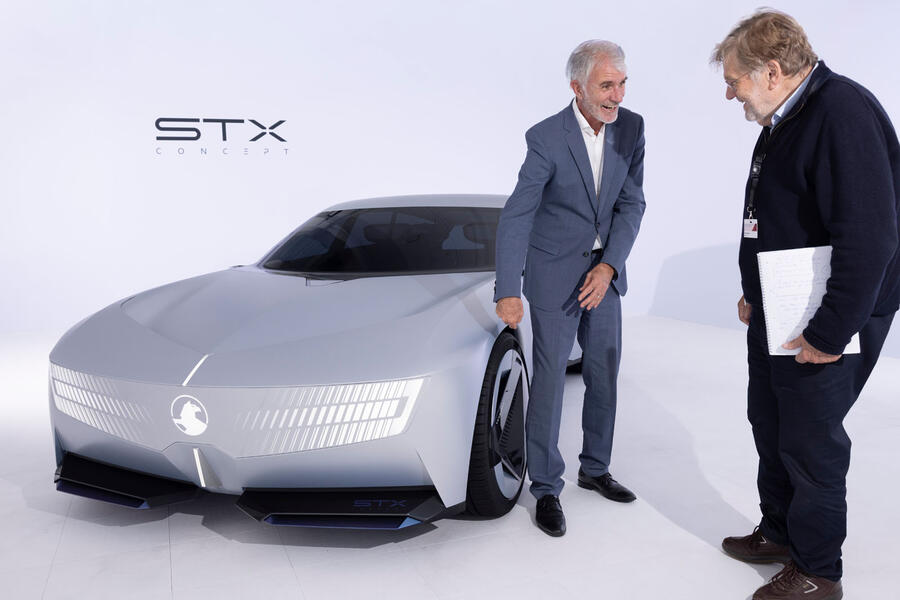

Why did you choose to use an estate as the basis for your latest concept?
“Two reasons. First, the existing Astra Tourer is a big success in Germany so we knew there would be interest in a concept that showed where it could go, design-wise. Second, there’s a trend away from hatchbacks in other countries too. We wanted to show a new possibility.”
In recent years, we’ve been told concept cars weren’t worthwhile unless they led directly to production. Is that the case for the STX?

Related posts






Latest Post


No Comments