
A British DOHC Twin Out-Cammed Honda’s CB350 And Never Reached Production
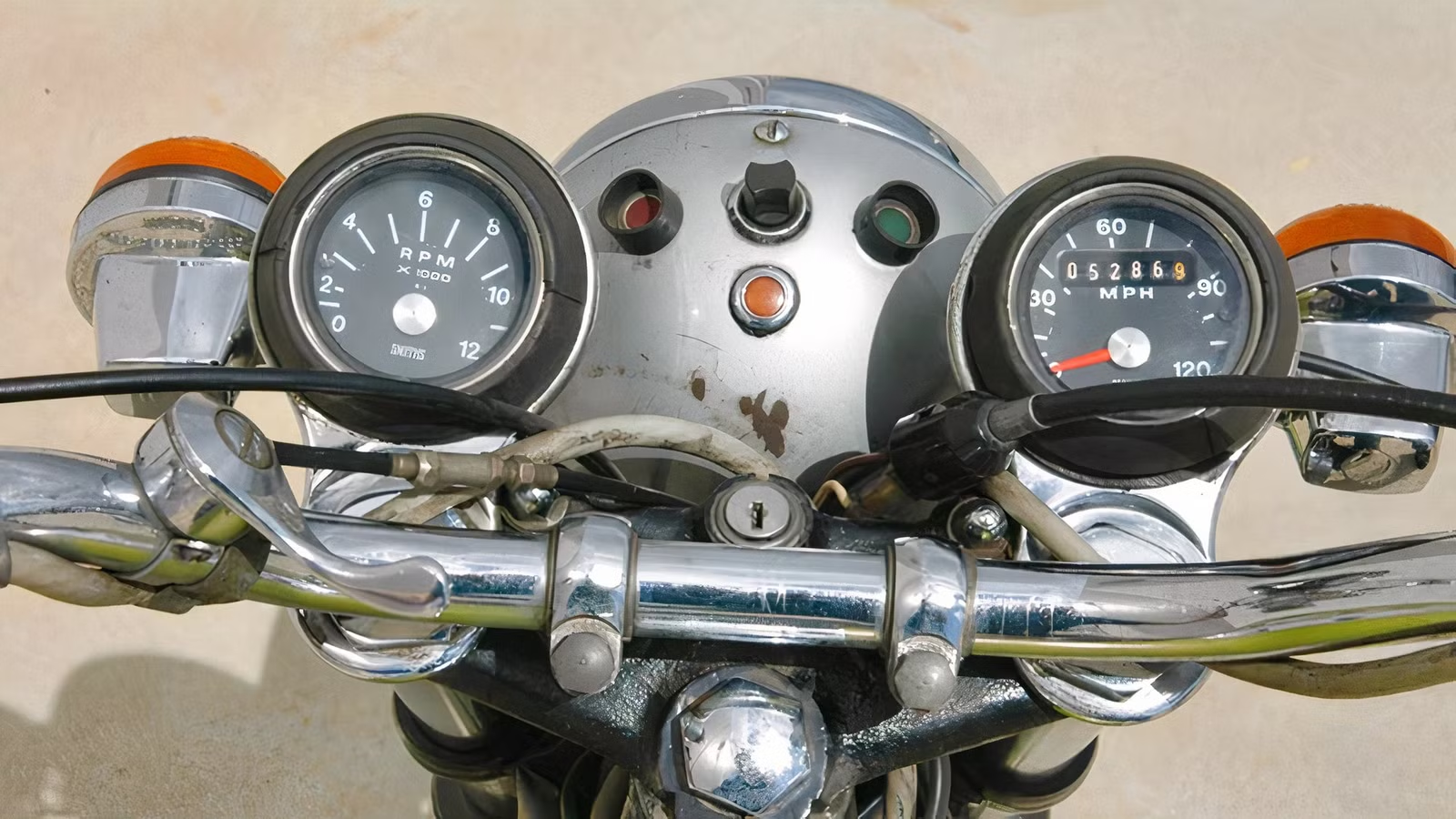
Imagine building a motorcycle that makes Honda‘s popular 350 look conservative on paper, then running out of money before anyone can even consider buying it. Frankly, that’s a pretty British way to lose a race.

The machine in question impressed journalists and had serious engineering behind it. Unfortunately, getting it ready for American showrooms took longer than its manufacturer could afford.
Honda’s CB350 Was Eating Britain’s Lunch
By the late ’60s, Honda was making life uncomfortable for British motorcycle manufacturers. Its CB350 street bike and CL350 scrambler offered American riders something increasingly difficult to ignore: modern engineering in a manageable package. BSA and Triumph Motorcycles had devoted American fans, but their middleweights needed a wake-up call.

The Honda CB350 used a single overhead camshaft, which left a tempting opening. What if a British 350cc parallel twin could bring double overhead camshafts to the same fight? Honda already had DOHC hardware on its larger CB450, making the British idea more specific: put two cams into the 350 fight.
Trouble was, the British industry was already losing ground. Money was tight, and Japanese motorcycles kept improving. A successful middleweight offered BSA-Triumph a chance to rebuild its American business.
Edward Turner’s Clever Idea Came With An Expensive Catch

Enter Edward Turner, the celebrated Triumph designer who returned as a consultant with a new 350cc DOHC twin. By 1968, Turner considered his design close to production-ready. It had a five-speed gearbox and provision for electric starting. Unfortunately, an attractive spec sheet can hide a remarkable amount of mechanical trouble.
Turner’s original 360-degree crankshaft ran on two main bearings, while Honda’s CB350 used four. Bert Hopwood’s evaluation recorded two broken crankshafts in testing. Road trials required four major rebuilds over 5,400 miles, and reportedly consumed a quart of oil every 50 miles. That would’ve made every gas station stop an oil-change appointment.
Hopwood and Doug Hele had proposed a competing 350cc triple. As the story goes, management favored Turner’s twin instead, and the disagreement became personal. Turner warned that Hopwood would hold up production; Hopwood argued that the design had fundamental defects. The failure reports backed his objections. In a 1968 letter, Hopwood worried management would blame him for delays caused by the work the design genuinely needed.
Hopwood and Hele took over a substantial redesign. They adopted a 180-degree crankshaft and reworked the cam drive. The original front disc brake gave way to a drum. The changes made a better motorcycle, but every month spent correcting yesterday’s decisions was another month Honda spent selling CB350s in America.
The BSA Fury And Triumph Bandit Were Britain’s 9,000-RPM Twins

Project P30 became the BSA Fury and Triumph Bandit. These closely related 349cc, air-cooled DOHC parallel twins were intended for the 1971 model year, with street and scrambler-style versions planned. Their engines preferred high revs to leisurely cruising.
The finished specification claimed 34 horsepower at 9,000 rpm, backed by a five-speed transmission and a 180-degree crankshaft. Dry weight was listed at roughly 345 pounds. The revised engine could repeatedly reach 10,000 rpm in development testing. That was progress, though long-term reliability was unproven.
Both looked ready for American Honda CB350 customers. Low exhausts distinguished the street versions, while raised pipes gave the scrambler models a more adventurous appearance. Early styling experiments were toned down, which was probably wise. The project already had enough explaining to do.
Promotional photographs appeared, US advertisements ran, and journalists rode pre-production examples. But showroom inventory is a different thing from a brochure, and the motorcycles still needed development work. Advertising them early only raised expectations. American riders could admire the photos, but finding a real example at a local dealer was another story.
The Road Testers Loved Them, But The Flaws Weren’t Gone
At Silverstone, a pre-production Fury impressed with eager handling and an engine that enjoyed being worked hard. One test described fourth gear stretching to 90 mph, with the motor coming alive high in the rev range. British twins had a new party trick.
The praise wasn’t unconditional, though. A tachometer cable problem sent oil pouring from one test bike, while the gearshift needed work and taller riders found the footpeg position cramped. A later retrospective road test called the Triumph Bandit a “mini-rocket ship,” but also flagged service-access headaches. Checking certain components could involve removing others first, a charming arrangement if your favorite hobby was disassembling motorcycles.
Even so, the reactions were encouraging. The engine had personality, the chassis showed promise, and the final machines were way better than the troublesome original design. Nobody knew whether mass-produced examples could match Honda’s dependability. Journalists could enjoy a spirited afternoon ride, and American owners would’ve expected thousands of miles afterward.
Even 34 HP Couldn’t Outrun BSA’s Financial Collapse
By late 1970, development delays had put the crucial spring 1971 American selling season in jeopardy. Full-page advertisements still appeared in US motorcycle magazines, but the bikes never arrived in dealer showrooms. The Fury and Bandit were canceled in November 1971, leaving an expensive lesson in why a launch date matters almost as much as horsepower.
BSA’s finances were collapsing. Losses at the troubled Triumph business exceeded $16 million during 1972 alone. Triumph’s share of the American superbike market fell from nearly half in 1969 to just 9 percent by 1973. That was the superbike category, but it showed how quickly Triumph’s American fortunes were slipping.
The collapse ultimately led to Norton Villiers Triumph in 1973, with the 350cc twins left behind. It’s tempting to imagine the BSA Fury or Triumph Bandit humbling Honda’s CB350 across the USA, but the more frustrating truth is that the bikes looked promising, but their makers ran out of money while trying to make them right.
Sources: Motorcycle Classics, Ultimate Motorcycling, Cycle World.

Related posts




Latest Post


No Comments