
Hyundai Is Recalling Nearly 96,000 SUVs Over Display Failures
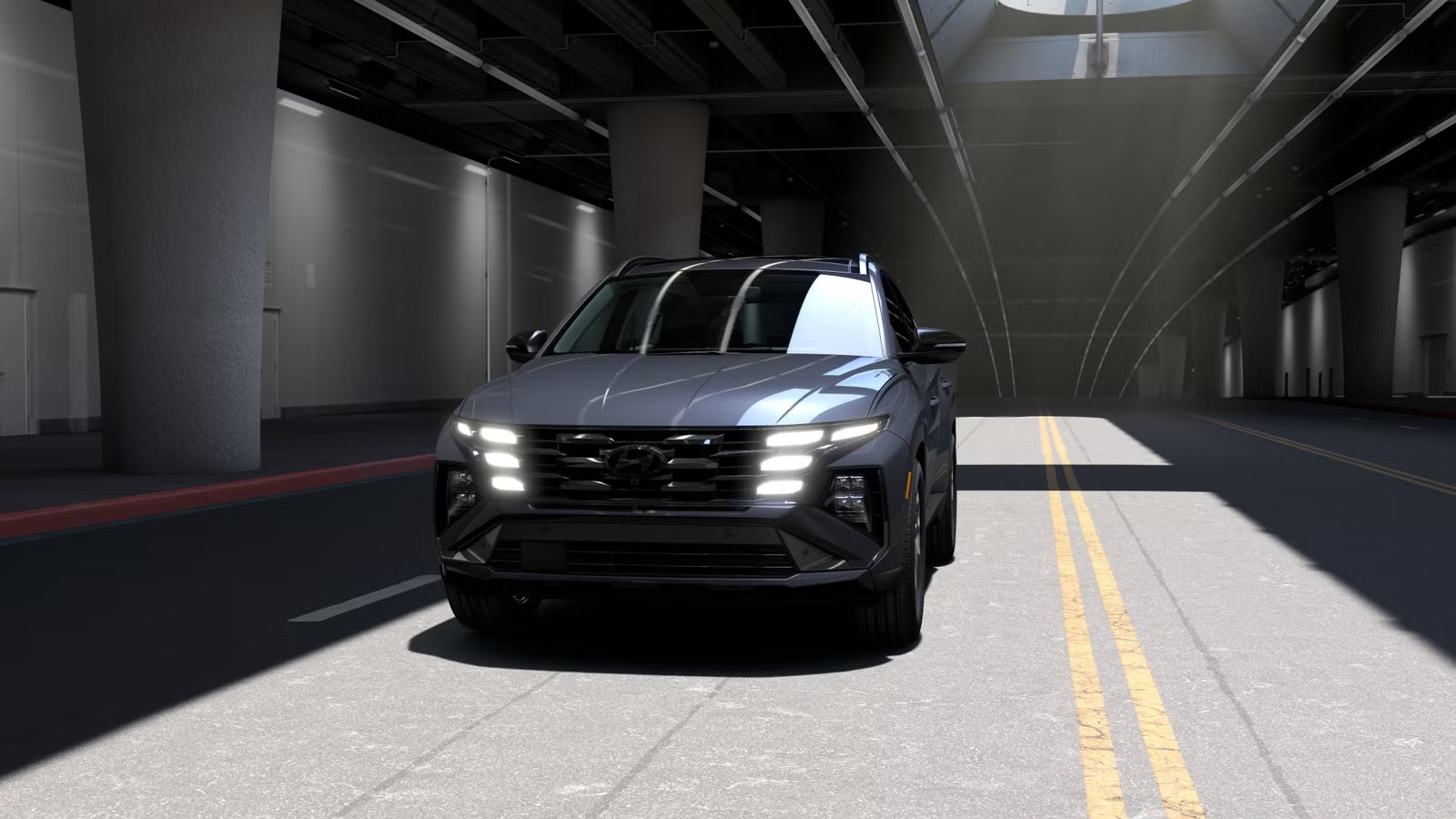
Hyundai announced on June 29 that it is recalling 96,310 SUVs in the United States because a software fault can cause the instrument cluster display to go completely blank while the vehicle is moving. When the screen goes dark, drivers lose access to the speedometer, fuel gauge, warning lights, and the head-up display—all at once, with no warning.

The recall covers 2025 and 2026 model year Hyundai Tucson SUVs. If you own one of these vehicles, here is exactly what the failure looks like, why it matters, and what you need to do next.
What Goes Wrong—and Why It’s a Safety Risk
The root cause is a software logic fault in the instrument cluster. Under certain conditions, the defect triggers a full display blackout while the vehicle is in motion. In an instant, the driver is left without a speedometer reading, no fuel level indicator, no warning or indicator lights, and no head-up display projection.

Losing that information mid-drive is not a minor inconvenience. Without a visible speed reading, a driver cannot confirm they are within legal limits or respond appropriately to changing road conditions. Without warning lights, a sudden mechanical issue—low oil pressure, an overheating engine, a brake system fault—goes completely undetected. NHTSA considers instrument cluster failures of this type a direct collision risk, which is why the agency is tracking this recall.
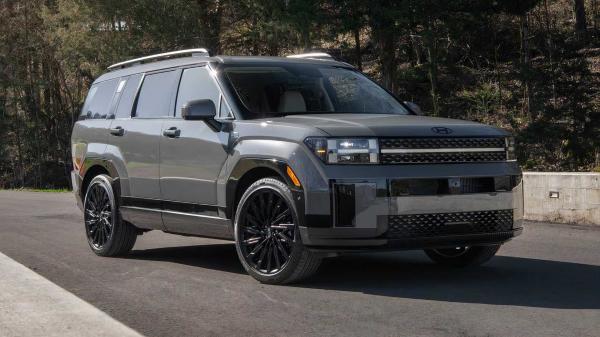
Hyundai Santa Fe Recalled With 135,000 SUVs At Risk
A startling discovery leads to a massive recall for one popular SUV model.
Exactly Which Vehicles Are Covered by This Recall

The recall applies specifically to the Hyundai Tucson in the 2025 and 2026 model years. A total of 96,310 units are affected across those two model years in the U.S. market.
Multiple sources initially described the recall as covering a broader range of Hyundai SUVs, but the confirmed scope from Hyundai and NHTSA is the Tucson only. If you own a different Hyundai crossover—a Santa Fe, Kona, Venue, or Palisade—this particular recall does not apply to your vehicle. Tucson owners from the 2025 or 2026 model years should treat this as a priority check.
What Tucson Owners Should Do Right Now

Hyundai will notify affected owners by mail. The fix is a software update to the instrument cluster, which dealers will perform at no charge. You do not need to wait for the letter to act—you can contact your Hyundai dealer directly and reference this recall to schedule the update.
To confirm whether your specific vehicle is included, use the NHTSA recall lookup tool at nhtsa.gov/recalls and enter your 17-digit VIN. The NHTSA recall number for this campaign is 26V-461. If your VIN comes back as affected, schedule the dealer appointment as soon as possible. Driving with a display that could blank out at speed is a genuine risk, and the software update is a straightforward remedy.
Context: Instrument Cluster Recalls Are Taken Seriously for Good Reason

Display failures sit in a different category from cosmetic or convenience defects. Regulators treat the loss of speed and warning-light visibility as a direct safety hazard because drivers rely on that information to make real-time decisions — adjusting speed, pulling over for a mechanical issue, or simply knowing the car is operating normally.
Hyundai has not disclosed a specific incident count tied to this defect, and there is no indication the recall was triggered by a crash or injury report. The proactive scope—nearly 100,000 vehicles across two model years—suggests Hyundai identified the software fault internally and moved to address it before widespread field failures occurred. That is the right call, and the remedy is free and relatively quick to complete.
If you own a 2025 or 2026 Hyundai Tucson, check your VIN at nhtsa.gov/recalls using campaign number 26V-461, then call your nearest Hyundai dealer to book the software update. The fix costs nothing and takes the risk off the table.
Sources: Carscoops, Motor1

Related posts



Latest Post


No Comments