
What are the tax breaks for electric company cars?
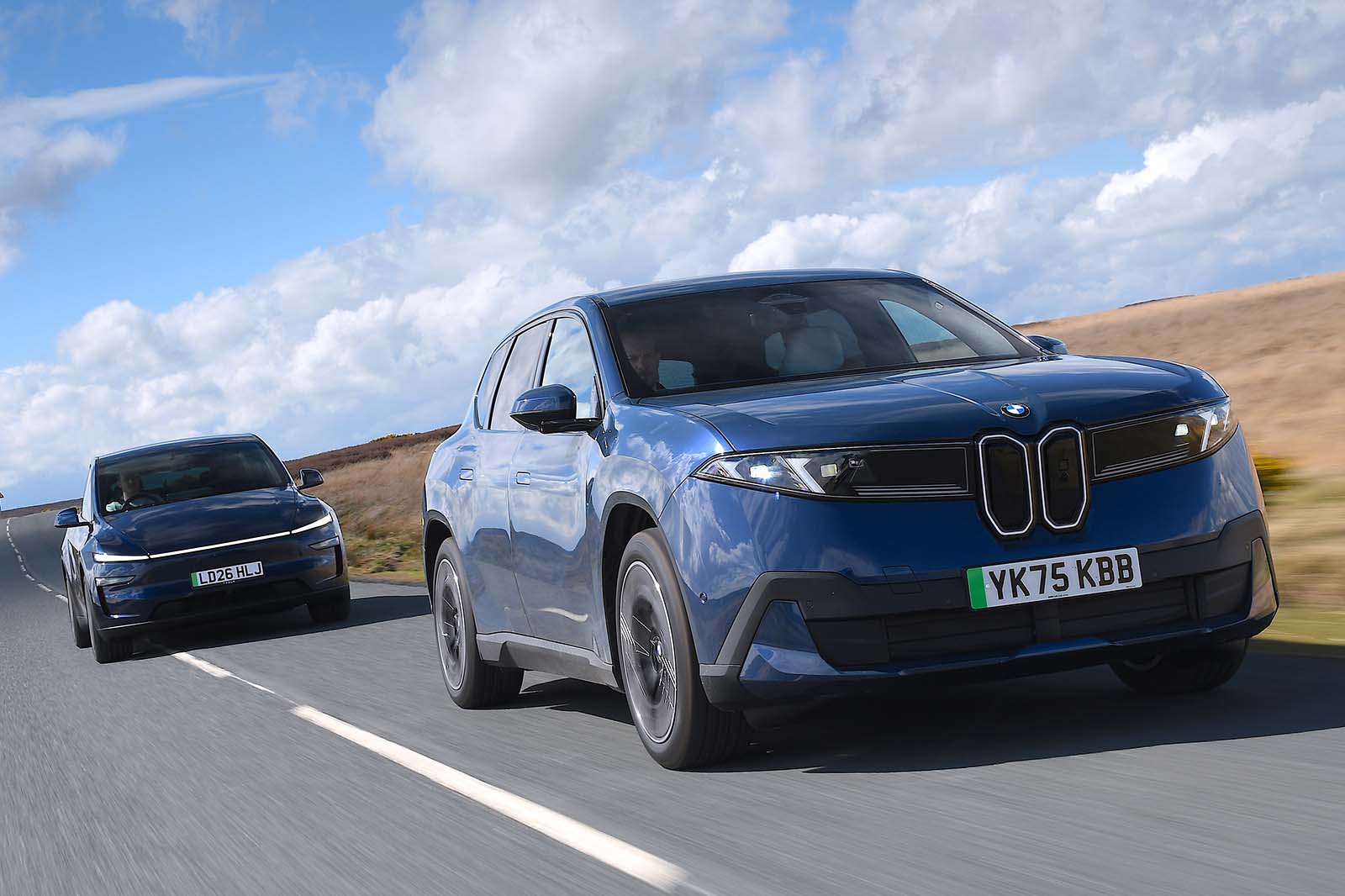
The company car is a long-established workplace perk in the UK, with 840,000 drivers getting one as part of their employee benefits in 2023/24, according to His Majesty’s Revenue & Customs (HMRC). With a company car tax system that favours low CO2 emissions, it’s become an important early adopter market for electric vehicles.
HMRC reintroduced ultra-low tax bands for electric company cars in 2020 and, aligned with a fast-growing choice of increasingly cheaper and more capable models, it’s become a no-brainer for drivers and employees to switch. The latest government stats show an additional 120,000 employees have opted into a company car since the 2020/21 tax year, while 41% of the total are in an EV. Here’s why.
How much cheaper is electric company car tax for drivers?

If your job involves a lot of driving, then you might be lucky enough to be provided with a company car. It’s an attractive perk; most are brand new, with maintenance and insurance costs covered, and they’re available for you and (often) your family to use outside work hours.
Of course, there’s no such thing as a free lunch. If you’re using a company-owned car for private journeys, then HMRC classes it as what’s called a ‘benefit in kind’ (BiK). That’s a catch-all term for anything your employer provides on top of your salary, and they’re taxed as additional income.
The easiest way to keep a lid on your tax bill is to opt for something with the lowest possible CO2 emissions at the tailpipe, and nothing emits less than a car that doesn’t have an exhaust at all.

All benefits-in-kind are assigned a ‘taxable value’, and for cars this is a percentage of its list price with CO2-weighted bands from 4% to 37%. An electric vehicle (which has rated emissions of 0g/km) falls into the lowest 4% band, while even the lowest-emitting full hybrid on sale – the Toyota Yaris – is taxed at 25% of its list price.
Drivers pay BiK on that value at the same rate as their income tax. There are three bands (20%, 40% and 45%) in England, Wales and Northern Ireland, while Scotland has five (between 19% and 46%). A 20% taxpayer would be liable for 20% of their company car’s taxable value each year, and this is normally deducted in instalments from their monthly wages.
Put simply, that system offers drivers roughly five-times cheaper tax for selecting an EV, and there are sizeable incentives in place until at least 2030. The following table compares total tax costs over three years for 20% and 40% income taxpayers, for a vehicle delivered in 2026/27.

Related posts





Latest Post


No Comments