
Mercury’s 302-HP Marauder Out-Powered The Impala SS And Still Got Humbled On Sales
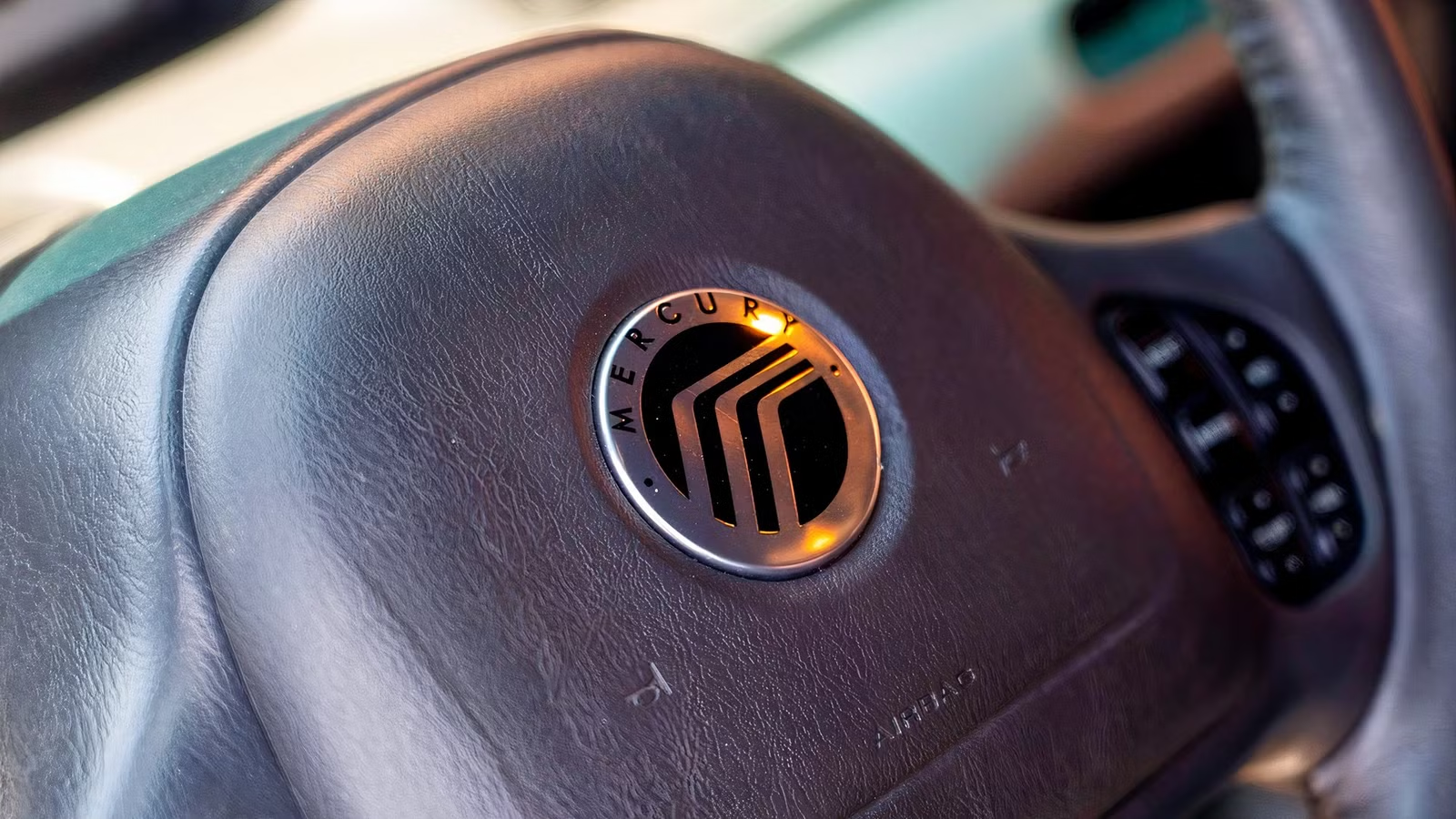
The Mercury Marauder had the numbers enthusiasts wanted from a full-size American sleeper. Its 4.6-liter DOHC V8 made 302 horsepower, more than the Chevrolet Impala SS managed from its Corvette-derived LT1. Yet the Marauder sold only 11,052 examples in two years. Chevrolet moved nearly 70,000 Impala SS sedans in three. Both cars followed a familiar recipe: rear-wheel drive, V8 power, and ordinary family-sedan roots. So why did one become a hit while the other struggled to find buyers?
More Power Could Not Save This Expensive American Sleeper

The 2003 Mercury Marauder took the Crown Victoria formula and gave it a serious performance upgrade. Under the hood sat a 4.6-liter, 32-valve DOHC V8 related to the engine used in the Mustang Mach 1. It produced 302 horsepower and 318 lb-ft of torque, backed by a four-speed automatic and rear-wheel drive.
The idea came from program manager Steve Babcock, who wanted a muscled-up Crown Victoria. The result looked suitably understated, but its black trim, wheels, and performance hardware made the intent clear. It was a full-size sedan with a Mustang connection, rather than a sports car wearing a big-car body.
The Price Put It In The Wrong Showroom

The problem was what Mercury asked buyers to pay. The 2003 Marauder started at $34,495, a substantial sum for a Mercury sedan. The car was positioned against European sport sedans, even though its likely audience wanted an American muscle car at a more attainable price. That interpretation points to a marketing miscalculation, not a documented explanation from every buyer.

Mercury planned for 18,000 sales annually, but the Marauder managed 11,052 across 2003 and 2004. Its performance credentials were real. Finding enough customers willing to pay for them proved much harder.
The Chevrolet Impala SS Made The Same Formula A Hit

The Chevrolet Impala SS arrived almost a decade earlier, but it followed a remarkably similar idea. For 1994, GM’s Specialty Vehicles Group, led by Jon Moss, took the police-spec 9C1 Caprice and turned it into a performance sedan for the street. The result kept the big Chevrolet’s familiar shape while adding a lowered suspension, distinctive wheels, and a Corvette-derived 5.7-liter LT1 V8.
That engine produced 260 horsepower and 330 lb-ft of torque. It did not match the Marauder’s peak output, but the Impala SS had the sort of V8 character buyers expected from a large American performance car. It also had the advantage of arriving when that formula still had a sizeable audience.
Chevrolet Found The More Accessible Price Point
The Impala SS sold nearly 70,000 units between 1994 and 1996. Its 1996 base price was $24,405, compared with $34,495 for the Marauder in 2003. Those prices come from different model years, so they are context rather than a direct same-year comparison. Even so, the gap helps explain why the Chevrolet could appeal to buyers looking for V8 performance without stepping into a luxury-sedan price bracket.
The Impala SS also benefited from a straightforward pitch: take a familiar full-size Chevrolet, add a Corvette engine and sharper suspension, and leave the sleeper appeal intact.
The Marauder Had More Horsepower, But The Market Had Changed

On paper, the Marauder had the advantage. Its 302-hp DOHC V8 topped the Impala SS’s 260-hp LT1, although the Chevrolet produced more torque: 330 lb-ft against the Mercury’s 318. The difference matters because peak horsepower alone does not tell the whole story about acceleration or how a car feels on the road.
Hagerty lists the Impala SS at 7.0 seconds to 60 mph and the Marauder at 7.5 seconds. FordMuscle’s account paints the two cars as more closely matched, however, so those figures should not be treated as a universal verdict. Test conditions, vehicle condition, and the source’s methodology can all affect published results.
Buyers Were Looking Elsewhere By 2003

The Mercury Marauder also arrived in a market that had changed. By the early 2000s, crossovers such as the Toyota Highlander and Lexus RX 300 were attracting buyers with SUV styling and car-like road manners. A large, traditional sedan was competing for attention in a segment that was losing ground.

That shift helps explain the difficult environment, but it should not be mistaken for the sole reason the Marauder missed its target. Buyers drawn to an American V8 sedan may have wanted something less expensive, while customers prepared to spend more had European alternatives to consider. The Marauder was caught between those expectations.
Two Sleeper Sedans, Two Very Different Endings

The Impala SS and Marauder arrived in different decades, and their endings reflected different pressures. Chevrolet’s B-body cars, including the Caprice and Impala SS, left production in December 1996. Contemporary reporting tied the shutdown to GM’s decision to retool its Arlington, Texas, plant for high-demand SUVs such as the Tahoe, Yukon, and Suburban.
That was a factory and product-planning decision, not proof that crossovers had directly killed the Impala SS. The Marauder faced a different problem several years later: the market for traditional full-size sedans was shrinking, and Mercury struggled to convince enough buyers that its performance version justified the price.
The Marauder was not a failure because it lacked the hardware. Its Mustang-related V8, rear-drive platform, and understated looks gave it a character few new American sedans offered. But the price put it in an awkward position, and Mercury never found the audience it expected. After only two model years, the name was gone.
The Impala SS proved that buyers could embrace a big, rear-drive V8 sedan when the package made sense for its time and price. The Marauder deserved more than 11,052 sales and a short production run. It deserved a clearer pitch, a price closer to its natural audience, and perhaps a few more years to find its fans.
Source: Mecum, Bring A Trailer

Related posts
Latest Post


No Comments