
Hybrid Buyers Are Getting The Most Miles Per $100 Of Gas, And The Gap Over Gas-Only Rivals Is Bigger Than Expected
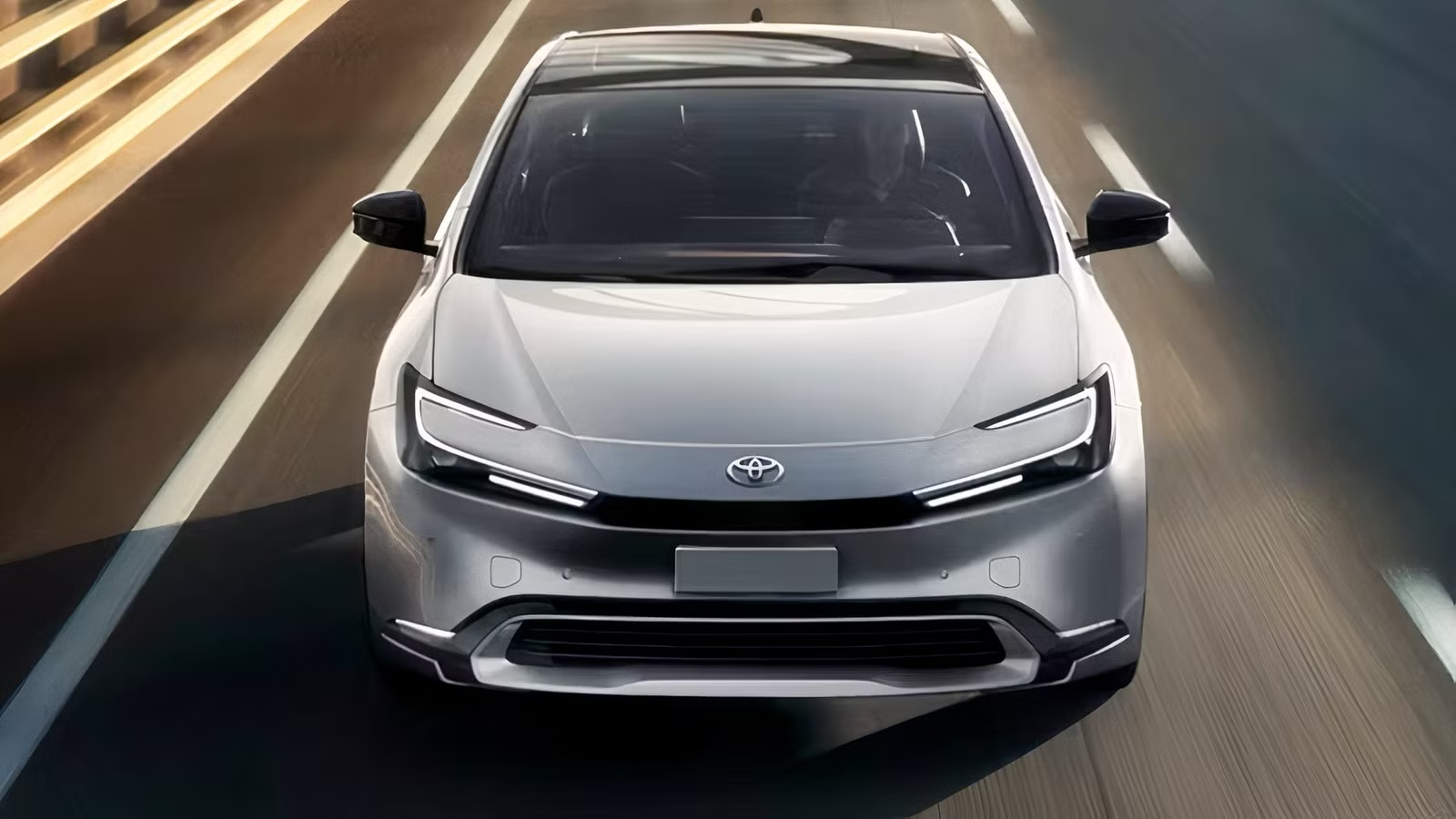
A new ranking from Visual Capitalist quantifies something hybrid shoppers have long suspected but rarely seen spelled out in dollars: the fuel-economy gap between hybrids and their gas-only counterparts is substantial, and it shows up clearly once you measure miles per $100 of fuel instead of just mpg.

Using EPA fuel-economy ratings, EIA energy prices, and Cox Automotive sales data, with U.S. gas prices from October 19, 2026, and electricity rates from August 2026, the ranking places hybrids squarely in the middle tier of efficiency, ahead of nearly every gas-only vehicle on the road but behind full EVs charging at home.
The Toyota Prius And Its Hybrid Peers Lead The Gas-Powered Pack
The Toyota Prius tops the hybrid field at 1,237 miles per $100 of gasoline, with the Hyundai Elantra close behind at 1,212 miles and the Honda Civic at 1,132 miles. Those numbers alone are impressive, but the real story is what happens when you compare a hybrid directly against the gas version of the same car.

The Toyota Corolla Hybrid stretches a flat $100 to 1,109 miles. The standard gas Corolla manages just 794 miles on the same budget. That’s a nearly 40% improvement in driving distance for choosing the hybrid powertrain, with no other variable changing: same body, same badge, same basic footprint on the road.
Even Pickup Trucks Can’t Close The Gap With Hybrid Sedans

At the other end of the ranking, large pickup trucks post the weakest numbers by a wide margin. The gas-powered Ford F-Series travels just 444 miles on $100 of fuel, a figure driven down by the truck’s size, weight, and overall energy demand. Its hybrid counterpart improves on that, reaching 548 miles, but even that gain falls well short of what compact hybrid sedans deliver.
That gap matters for buyer math. A hybrid powertrain can meaningfully improve a truck’s efficiency, but it doesn’t change the fundamental physics of hauling a few tons of steel. Compact and midsize hybrids simply have less mass to move, so the same technology pays off far more dramatically in a Corolla or Civic than in an F-150.
Why Hybrids Make Sense As The Practical Middle Ground

Electric vehicles still dominate the top of the ranking. The Tesla Model Y leads all vehicles at 2,110 miles on $100 of home electricity, with the Model 3 close behind at 2,086 miles. Even the Rivian R1S, a large electric SUV, edges out the Prius at 1,278 miles.
But EVs require home charging access or reliable public infrastructure, and the ranking’s figures assume cheaper home electricity rates rather than costlier public fast charging. For buyers who aren’t ready to plug in, or who don’t have a reliable place to do it, hybrids offer a straightforward way to cut fuel costs without changing how they fuel up. No new routine, no charging anxiety, just a noticeably longer runway on every tank.
The underlying message for shoppers is simple: if a hybrid version of the car you want exists, the fuel savings alone are hard to ignore, and the gap over the gas model is bigger than most people assume until they see it broken down in dollars rather than mpg.

Related posts




Latest Post


No Comments