
Why Some Riders Would Be Better Off Renting A Touring Bike Instead Of Buying One
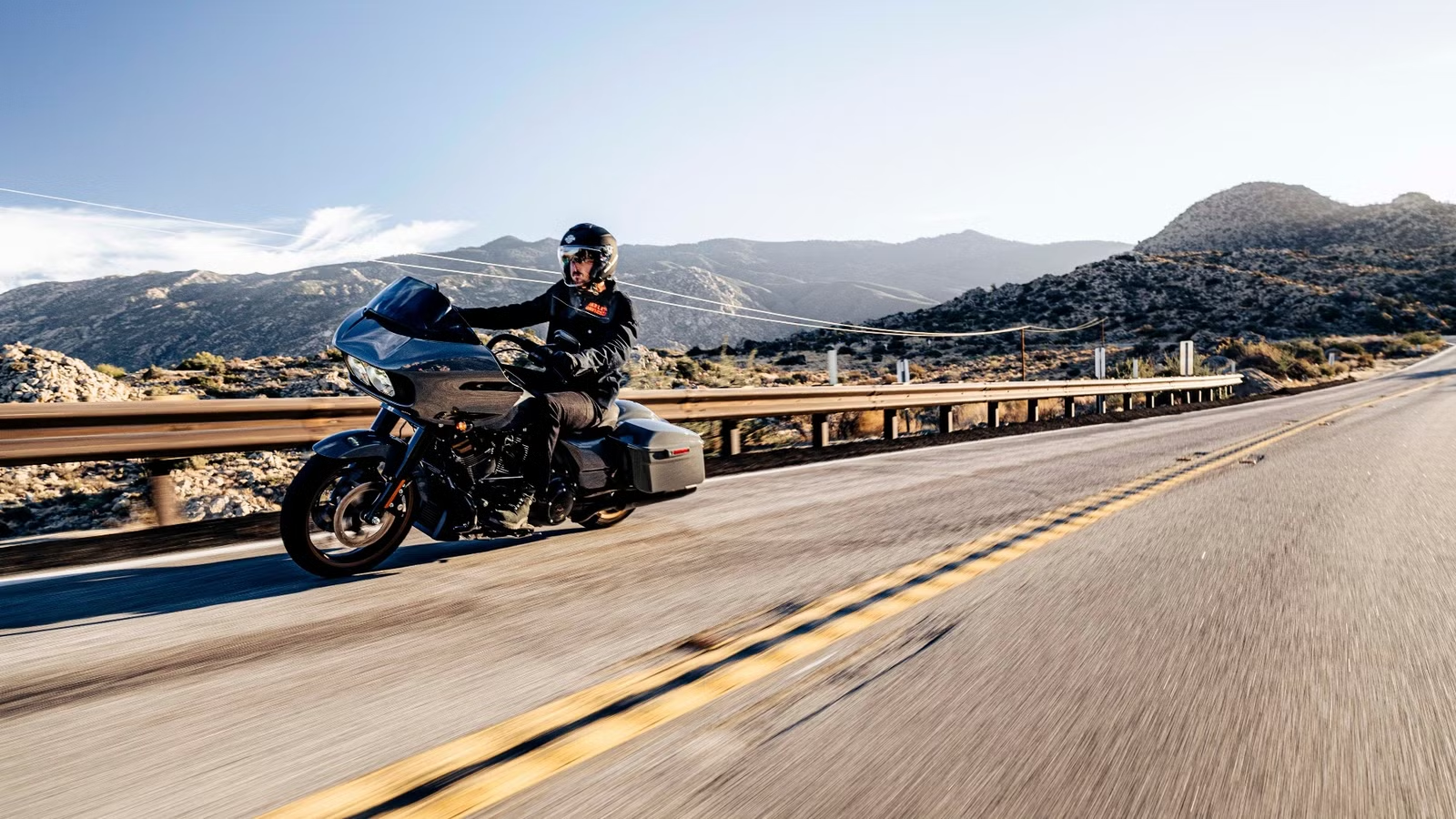
A big touring bike can tug at the heart strings as much as it suits a touring lifestyle, but the reality is less glamorous. Most riders do not need a Ducati Multistrada V4 S or Harley-Davidson CVO Street Glide for Sunday rides, while work commitments can make multi-day trips difficult. Yet, daydreaming about a week in the Rockies can just as easily sway you away from pragmatism. Buying one for an annual trip means paying heavily for a motorcycle that sits parked most of the year. If you already own an everyday bike, renting the aspirational tourer can make more sense.
The Touring Bike Has To Justify The Other 50 Weeks

Let’s put things into perspective. The 2026 Harley-Davidson Road Glide starts at $25,999, and is a motorcycle engineered for long-distance comfort, but the question for an occasional tourer is how many days of the year does owning one justify the cost. And that’s just the purchase cost. Insurance, registration, depreciation, storage, battery maintenance, servicing, and tires, all continue to demand expenses even when the bike has barely moved out of your garage. Financing only adds another fixed monthly cost to a motorcycle that may see very little use.
Renting a bike changes the nature of the expenses. Road Glide rentals are currently advertised at about $208 per day, making seven days roughly $1,456 before taxes, protection plans, and other charges. That is still serious money, but even one such trip every year for five years would total $7,280 at the base rate, well short of the Road Glide’s purchase price before ownership costs are added. The owner, of course, still has an asset to sell at the end, so this is not a break-even calculation. It simply shows why low annual use matters so much.

A paid-off used tourer, cheap insurance, and frequent trips can make ownership more sensible. But someone who already owns another motorcycle and takes one major road trip a year should compare several years of complete rental costs against what a second bike would cost to own and eventually sell. That gives a much clearer answer than comparing one week’s rental against a full MSRP.

Renting Can Place The Ride At The Start Of The Good Roads

One of the major benefits of a rental is that it lets the rider decide where the motorcycle trip actually begins. Someone on the East Coast who wants a week in Colorado can fly to Denver and collect a bike there instead of using a chunk of vacation days to simply get across the country and back. Most of the roads getting there may not even be worth the kind of riding you were looking forward to either.
Transit Miles Have A Cost

There’s nothing wrong with crossing the Great Plains when it’s part of the trip. But when the target is the Rockies, however, two or three highway days in each direction can consume most of a short vacation. Renting trades those transit days for more time on the roads the rider traveled to experience.
It can also remove the logistics of trailering or shipping a personal motorcycle. One-way rentals can open up point-to-point routes as well, albeit availability and extra fees need to be factored in. For someone with limited annual leave, saving days is more important than squeezing every last dollar out of the trip.
However, The Rental Rate Is Only The First Number

The daily rental rate is not the entirety of the trip cost. Taxes, protection plans, security deposits, extra gear, delivery charges, one-way fees, and mileage costs can all alter the total figure. It’s always prudent to estimate the final checkout price for the exact route and dates, and not just the number used to advertise the rental bike.
Insurance And Deposits Are The Hard Hitters
A personal motorcycle policy should not be assumed to cover a rental. Rental platforms use different protection structures, deductibles, liability coverage, and damage waivers, and some even require a sizable credit card hold before releasing the motorcycle. Check the deductible, theft terms, roadside assistance, deposit, and cancellation rules before paying. A $200-a-day tourer stops looking inexpensive if the protection package leaves the renter carrying several thousand dollars of potential out-of-pocket liability.
Mileage Rules Matter On A Touring Motorcycle
Mileage restrictions deserve special attention because covering distance is the whole point of a motorcycle trip, even if you’ve skipped the transit portions. Unlimited mileage is ideal, but peer-to-peer rentals can set daily allowances and overage charges. A route built around 350-mile days can therefore cost more than the base rate suggests, and you will have to factor in possible detours and excursions.
What You Give Up Is Familiarity And Flexibility

Ownership has its benefits despite its higher cost. A long-distance motorcycle can be tailored with a windshield that suits your height perfectly, a seat you can tolerate all day, a bar position that makes for ideal ergonomics and so on. Suspension settings for a passenger, luggage, and heated-gear connection also add convenience. A rental may get you the right kind of bike, but may not get you the ideal setup that your body prefers eight hours later in the saddle.
A Heavy Rental Tourer Needs A Proper Introduction
The Multistrada, Gold Wing Tour, or Indian Pursuit Elite sure fit your daydreams well, but in reality, they demand more attention, especially at walking pace and slow maneuvers, than a lighter everyday bike. Even an experienced rider needs a little time to adjust to the controls, balance, and low-speed behavior of an unfamiliar heavyweight. This is even more important with two-up travel. A passenger, full luggage, and an unfamiliar motorcycle are a poor combination for learning on the fly.
Frequent Touring Favors Ownership

Another downside of renting versus ownership is that the former removes spontaneity. The rental bike must be booked, collected, returned on time, and available where the trip begins. If long weekends regularly become road trips, keeping a tourer ready at home starts to look much better. A $30,000 heavyweight isn’t always the right bike either. A 2026 Honda NT1100 DCT starts at $11,999, and can cover everyday riding needs just as well as the vacation tours.
Rent If Touring Is A Trip, Buy If Touring Is Your Riding Life

The best rental candidate already owns a motorcycle, takes one or two destination-focused tours a year, has limited vacation time, and does not need a dedicated tourer most days of the year. Renting provides the long-distance hardware for the week, starts the trip closer to the good roads, and ends the expense when the bike is returned. It can also be a more revealing test than a short dealer demo before buying.
Buying, on the other hand, makes more sense when touring is frequent, involves a regular passenger, requires a personalized setup, or begins on short notice from home. Renting is not the cheap version of ownership. It is a logical alternative when the need for a touring motorcycle is temporary. If a bike spends most of the year waiting for its next proper trip, there is little reason to pretend ownership is the only way to tour.
Source: Various Manufacturers

Related posts


Latest Post


No Comments